This may seem like one of the stranger parts of my beauty routine, but today I will share with you how to shave your face. The fancy term for this is called “dermaplaning” and is a hot commodity at spas and salons right now. Dermaplaning is just a fancy term for shaving your face and it is easily done at home. It is a highly effective way to exfoliate your skin and get rid of peach fuzz, which can trap dirt, oil and your foundation, and make you look older. Shaving is one of the most effective ways to help your foundation look flawless and make you look more youthful. It is also the most cost-effective, if done at home.
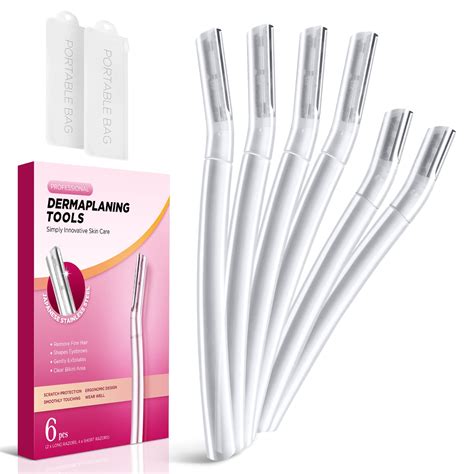
I briefly touched on how to shave your face in my Flawless Foundation blog post and many of you followed suit and bought the Tinkle razors. For those of you that are still hesitant, I thought I would discuss how to shave your face a bit more in depth today. I encourage you to give it a try. Dermaplaning is the physical exfoliation of the top layer of skin and your peach fuzz along with it. It can be done at a salon, but it is just as easily done at home. I use these inexpensive razors I order on Amazon, but there are also some fancier tools and gadgets to help you achieve this.
What is Dermaplaning?
Dermaplaning is a cosmetic treatment in which dead skin cells and peach fuzz are scraped off with a scalpel by a plastic surgeon, dermatologist, or cosmetologist. It is a safe & effective exfoliation treatment that allows for deeper product penetration, boosting the effects of skin care products. Dermaplaning removes the top layer of your skin and facial hair that can trap dirt and oil. Not only will it make your foundation application go smoother and look better, it is a fabulous skin care treatment that will improve the texture of your skin.
Dermaplaning vs. Dermabrasion
Both dermaplaning and dermabrasion are skin procedures done to improve the overall appearance of your skin. While both may help reduce fine lines, wrinkles, and uneven skin tone, some differences exist. In dermabrasion, your skin goes through an abrasion or sanding of skin, as its name implies. It’s often used for more prominent skin concerns such as acne and pox scars, skin growths, stretch marks, or removing tattoos. Dermaplaning is less invasive and often used to remove fine facial hairs. If you have delicate skin or a darker skin tone, you may be more at risk of scarring from dermabrasion or pigmentary changes, and dermaplaning may be a better option.
Dermaplaning vs. Shaving
Dermaplaning and shaving can both be used to remove unwanted hair growth. If removing hair is your singular concern, shaving is an option. But shaving only cuts hair at the skin level and should not remove any layers of skin. Dermaplaning, on the other hand, involves using a specialized blade to gently scrape away the top layer of dead skin cells and fine facial hair (peach fuzz).
Benefits of Dermaplaning
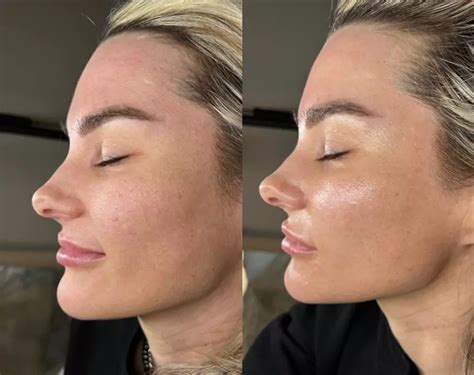
Contrary to popular belief, removing your peach fuzz from your face with a razor will not make your hair grow back thicker or faster. It is simply not true. It will, however, improve the texture of your skin and make your foundation application much smoother and flawless looking. Right after dermaplaning is also a great time to apply a hydrating serum and moisturizer to give your skin an extra boost.
Improved Skin Texture and Smoothness
Dermaplaning removes the top layer of your skin, which can make the skin look and feel smoother. This process also helps to reduce the appearance of acne scars by removing damaged skin cells.
Enhanced Product Penetration
By removing the top layer of dead skin cells and peach fuzz, dermaplaning allows skincare products to penetrate deeper into the skin. This boosts the effectiveness of serums, moisturizers, and other treatments.
More Youthful Appearance
As collagen production slows down, so does cell turnover, and skin can look dry and dull quickly. A weekly dermaplaning treatment will take off that top layer of dead skin and have you glowing again in no time. Also, the removal of peach fuzz will make your makeup application look more youthful, as it allows the foundation to look more like your skin, rather than sitting on top of your dead skin and clinging to your peach fuzz. You will also use a lot less product this way.
Prevention of Future Breakouts
Dermaplaning can help prevent new acne from forming by removing the buildup of dead skin cells that can clog pores.
How to Dermaplane at Home
While dermaplaning can be done at a salon, it is just as easily done at home. There are a few key things to remember when doing this at home:
Step 1: Cleanse Your Skin
First things first. It’s important to use a face cleanser specifically designed to remove dirt and oils before dermaplaning. Some recommend using a cleansing primer that cleanses and instantly hydrates skin and facial hair, helping your face feel clean and prepped for dermaplaning. Simply apply a small amount to a cotton pad or cleansing pad and wipe your entire face. Repeat until the pad comes back clean. It can be used alone or as a double-cleanse for a deep clean.
Step 2: Dermaplane on Dry Skin
We recommend using the blade on clean, dry skin for best results. When you’re ready, get a firm grip on the handle of your dermaplaning tool. Using your free hand, pull the skin taut and lightly position the blade against your face at a 45-degree angle. Use short, feathery strokes and go with the hair growth, often downward, as you move across the targeted area. Wipe the blade as you go on a reusable cotton pad or tissue to remove any buildup for a smooth, effective experience.
Important Tips for Home Dermaplaning:
- Always use a clean blade. You can use razors 2-3 times each, but always clean them with rubbing alcohol in between uses. 70% Isopropyl Alcohol (IPA) is the most effective.
- Make sure your face is clean when doing this. This is really important. Otherwise, you are driving dirt and germs into your pores. Washing your face and then following up with a cotton pad and toner ensures your skin is clean.
- Hold your skin taut and the razor at an angle and use gentle, short strokes in a downward motion. You can apply a few drops of oil before starting if your skin is dry and sensitive.
- Do NOT go over the same area more than once.
LIVE DERMAPLANE Q&A WITH MASTER AESTHETICIAN | #Skincare
Step 3: Hydrate Your Skin
For the final step, apply a small amount of a non-greasy facial hydration serum to your fingertips and massage over your face. Our serum helps your skin feel refreshed and gets you glowing. It’s made with niacinamide, witch hazel, and hyaluronic acid. Finally, you’re all set and ready for the rest of your skincare routine. Right after dermaplaning is also a great time to apply a hydrating serum and moisturizer to give your skin an extra boost.
Step 4: Touch-ups on the Go
For quick touchups on the go, a mini facial hair remover can gently remove hairs. The unique rotary system blades are gentle on lips, chin, and cheeks for an effortless shave. Designed for the contours of the face, this women’s facial hair remover is easy to maneuver with a built-in smart light to spot any unwanted hairs.
Who Should Avoid Dermaplaning?
Dermaplaning isn’t recommended if you have inflammatory skin conditions such as:
- Acne
- Rosacea
- Psoriasis
- Eczema
- Sunburn
If you’re taking isotretinoin, a prescription medication used to treat severe acne, you should wait 6 months after you stop taking it to try dermaplaning.
Breakouts After Dermaplaning
Everyone’s results will vary depending on your skin type. If done with incorrect techniques or tools, you may experience side effects like a breakout. You may want to avoid dermaplaning if you currently have active acne or are in the middle of a breakout. Bacteria from a current breakout can spread to other areas of the skin, making it worse. It’s best to avoid dermaplaning until your skin clears up. When done correctly, dermaplaning may help reduce future breakouts by removing the buildup of dead skin cells.
Professional Dermaplaning
It’s best to go to a licensed aesthetician or doctor if you’re thinking about trying dermaplaning. Dermaplaning should only be performed by a trained and licensed professional. Plastic surgeons, dermatologists, and cosmetologists who are experienced and licensed are your best choices when receiving dermaplaning. At-home kits are available on the market. But using these without proper training can increase your risks of side effects, including scarring. Dermaplaning is a noninvasive, low risk skin care procedure to exfoliate the skin and remove facial hair. For best results, seek out a highly experienced and licensed professional who practices proper dermaplaning techniques in a sterile environment.
What to Expect During a Professional Session
Before the procedure, your healthcare provider will:
- Discuss your goals for the procedure.
- Examine your skin to make sure it’s healthy enough for the procedure.
- Explain what you can expect before, during, and after dermaplaning.
- Review your health history.
It’s best to avoid exfoliating your skin 3 days before. You should also try to avoid direct sunlight or tanning. Dermaplaning is a noninvasive, outpatient procedure. Before beginning, your provider may cleanse your skin with an alpha- or beta-hydroxy acid to loosen skin cells. While dermaplaning doesn’t hurt when done correctly, you may receive a numbing cream as a precaution. During your dermaplaning session, a scalpel gently glides along your skin at a 45-degree angle to exfoliate your skin and remove hair. The length of your dermaplaning session depends upon how much area is covered. A facial session typically takes 30 minutes but can last up to an hour and a half.
Aftercare and Downtime
Taking care of your skin is essential after dermaplaning. Be gentle with your skin for the next few days. Your practitioner will likely advise the following:
- Avoid harsh cleansers, toners, or exfoliants.
- Apply soothing moisturizer and sunscreen daily.
- Avoid direct sunlight.
- Avoid heavy makeup.
There’s no downtime needed to let your skin heal. Experts recommend using a broad-spectrum sunscreen of at least SPF 30 and a moisturizer afterward, as your skin may be more sensitive.
Frequently Asked Questions About Dermaplaning
Is dermaplaning good for your skin?
Dermaplaning is good for people who don’t have any severe skin issues, such as eczema, psoriasis, rosacea, or acne. It can help even skin tone, brighten a dull complexion, and remove unwanted facial hairs.
What is the downside of dermaplaning?
Risks to dermaplaning include breakouts, cuts, and scarring. The cost of dermaplaning often ranges from $100-300, and it may take a few months to see complete results. Results vary depending on the quality of service and the skin type of the person receiving the treatment.
What happens when hair grows back after dermaplaning?
Hair growth after dermaplaning does not typically grow back thicker or darker, but it may grow back at a different angle. This may change how it looks and feels. Dermaplaning doesn’t permanently remove your hair, so ongoing treatments may be necessary to maintain results.
Does dermaplaning hurt?
No, it doesn’t hurt! In my opinion, it’s actually really soothing and kind of like ASMR. A good way to describe the feeling is like a credit card wiping across your skin. The only time I’ve cut myself with the razor is under my ear lobe while removing sideburn peach fuzz because I wasn’t careful and had the razor at a weird angle. But it was super minor and barely felt like anything.
What products should I apply after dermaplaning?
You can follow up with your regular skincare routine after dermaplaning. I suggest using a toner, moisturizing with a lotion or facial oil, and then a sunscreen if it’s daytime. Since dermaplaning is revealing a “new layer” of baby skin, then yes, it’s super important to be cautious with sun exposure over the next few days. Either wear a hat or sunscreen!
tags: #schick #dermaplaning #razor