Popularized in Korea and now beloved worldwide, sheet masks are quickly becoming a go-to method for hydrating skin. They offer a quick and easy way to deliver a boost of moisture. But when and how should you incorporate this step into your existing skincare routine?
The Importance of a Solid Skincare Foundation
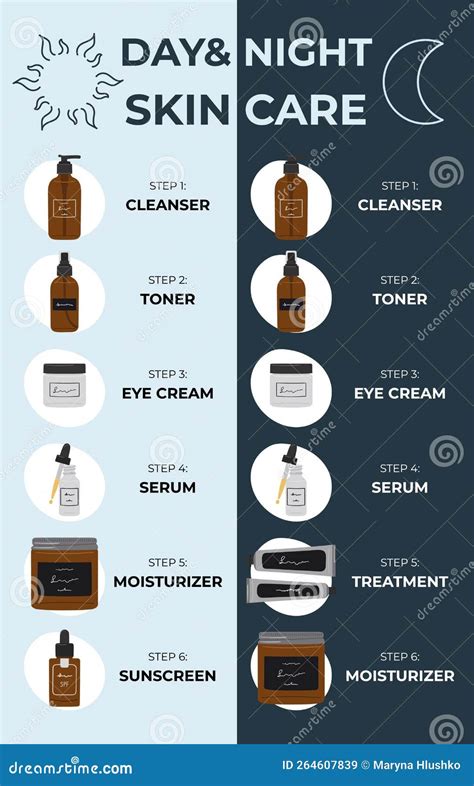
No matter how elaborate your skincare routine, it should always begin with cleansing your face twice a day. Morning cleansing removes sweat and oils that accumulate overnight. In the evening, it's crucial to cleanse away dirt, makeup, and other impurities accumulated throughout the day.
Toner provides a deeper clean after cleansing, helping to remove any remaining impurities and balance the skin's pH. For oily or combination skin, toner can be particularly beneficial.
When to Apply a Sheet Mask
After cleansing and toning, your skin is perfectly prepped to reap the benefits of a sheet mask. Carefully unfold the mask and align it with the contours of your face, using the cutouts for your eyes, nose, and mouth as a guide.
The sheet, soaked in a hydrating serum (often containing ingredients like hyaluronic acid), delivers intense moisture and revitalizes the skin. Sheet masks can also be formulated with Vitamin C to help protect against environmental stressors and brighten the complexion.
The best part? After the instructed time, remove the sheet mask. To maximize its benefits and seal in the hydration, follow up with a moisturizer. A refreshing cream is an excellent choice for reinforcing your skin's moisture barrier and providing ongoing hydration.
Understanding Different Mask Types and Their Application
If you've wondered whether it's better to apply a face mask before or after your shower, the answer often depends on the type of mask you use, as well as your skin type - it's not necessarily based solely on timing. Understanding what types of masks work best can lead to a clearer, smoother complexion.
The Purpose of Face Masks
The purpose of a face mask depends on its type. Some masks are designed for drying out excess sebum (oil) in combination and oily skin types, while others replenish lost moisture in dry skin. Some face masks treat uneven skin tone, and others may contain exfoliants that help remove dead skin cells.
General Steps for Applying Face Masks
Regardless of the type of mask, there are some key steps to applying it properly:
- First, clean your face with your usual cleanser.
- Apply the mask in a thin, even layer around your entire face. Be careful to avoid your eyes and lips. You can also extend the layer to your neck and décolletage.
- Some masks require that you massage the product into your skin for a few seconds - these mostly apply to exfoliating products. Read the product instructions beforehand if you’re unsure.
- Wait 5 to 20 minutes, depending on the product instructions. In general, drying masks for oily skin are left on for a shorter amount of time, while hydrating and anti-aging masks are left on longer - sometimes overnight.
- Rinse with warm, not hot, water. Use a soft washcloth for easier removal.
- Follow up with your normal toner, serum, moisturizer, and sunscreen.
Mask Application During Your Shower Routine
While a weekly-plus face mask can be important to your overall skincare routine, adding it as an extra step can seem time-consuming. You might have heard that you can cut down on time by incorporating your mask into your shower routine, especially with a liquid or mud mask. This is certainly a viable way to get your face mask in; however, there are a few catches.
First, you still need to make sure you cleanse your face before applying the mask to remove surface dirt, oil, and makeup. This can be done a couple of different ways. You can wash your face at the sink and apply your mask before getting in the shower. Or, you can wash your face in the shower and apply your mask there and keep it on while you do the rest of your showering routine. The caveat with the second approach, though, is that you won’t be able to see how evenly you’ve applied the mask in the shower, and water may run through it before it’s finished setting.
Another option is to take a shower and then wash your face and apply your mask. This method works particularly well with deep cleansing masks for oily and combination skin, such as those made from mud and charcoal. Showering first allows your pores to open up from the warm water and steam, prepping your skin for a deeper cleansing experience.
If you have drier skin, you may be better off applying your mask before taking a shower. This helps to seal in the moisture from your mask and the shower. Be sure to follow up with an emollient-rich moisturizer immediately after getting out of the shower.
When you want to apply a mask without showering, simply follow the product instructions as well as the general steps above.
Specifics for Sheet Masks and Overnight Masks
Sheet masks are used a bit differently. These should always be applied before the rest of your skincare routine. However, the product that remains after you remove the mask is intended to be massaged into your skin, so you’ll need to do these after your shower so you don’t accidentally rinse it away.
Another exception is an overnight treatment mask. True to their name, these masks are intended to be left on overnight and rinsed off with your morning face cleansing. To use this type of mask, you can do your normal skincare routine and then apply the mask last. Sometimes an overnight mask is used in place of your nightly moisturizer - this depends on how dry your skin is. Overnight masks are thicker and creamier and usually designed for dry to normal skin types.
Frequency of Mask Application
How often you apply your face mask depends on your skin type. Anti-aging masks may be used a few times per week, while masks for oily skin are used two to three times. Hydrating masks may also be used a few times per week. If you have sensitive skin, you may only need to use a face mask once per week.
Are You Sheet Masking Correctly⁉️ 😱 Sheet Mask Do's & Don'ts ✔️
Using a face mask before or after your shower depends on your skin type and your time constraints. The answer also has a lot to do with the type of mask you’re using.