Your skin tone is a measure of how light or dark your skin appears, indicating the amount of pigment present. It ranges from fair to deep and can change throughout the year, for instance, due to tanning. In contrast, skin undertones refer to the subtle tint beneath your skin's surface. These undertones do not affect your overall skin color but influence the perceived temperature of your complexion. Unlike skin tones, undertones are fixed and do not change.
If you've ever wondered, "What is my skin tone and undertone?", this information will guide you through the distinctions and how to identify them.
Types of Skin Tones
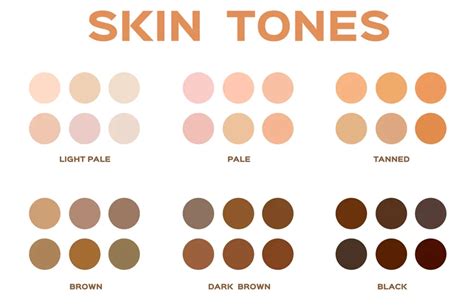
Skin tones are generally categorized by their depth of color:
- Fair: This is the lightest skin tone. On makeup products, fair shades might be labeled as "ivory," "alabaster," or "porcelain." Individuals with fair skin typically burn rather than tan when exposed to the sun and often have light hair and eyes.
- Medium: Medium skin tone is neither distinctly pale nor deep. It is often described as naturally tan or sun-kissed.
- Deep: This is the darkest skin tone. In makeup, look for shades labeled "chocolate," "espresso," or "ebony" for the closest match.
Understanding Skin Undertones
Undertones refer to the overall hue or temperature of your skin. There are three main categories:
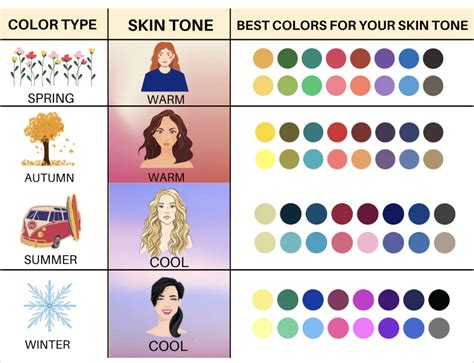
- Cool Undertones: These have a pinkish or bluish cast. The noticeability of this cast can vary depending on your overall skin tone.
- Warm Undertones: These have a more golden, sun-kissed tint, with yellow or peachy hues beneath the skin's surface. People with warm undertones often tan easily rather than burn.
- Neutral Undertones: These fall in the middle, balancing both warm and cool elements with a mix of yellow, pink, and blue hues.
It's important to note that your undertone stays the same regardless of tanning, unlike your surface skin tone. Think of your skin tone as the paint on a wall and your undertone as the primer underneath, which alters how the surface color appears.
How to Determine Your Skin Undertone
Determining your skin undertone can be done through several simple tests:
1. The Vein Test
Position yourself in natural lighting and examine the color of the veins on the inside of your wrist.
- If your veins appear blue or purple, you likely have cool skin undertones.
- If your veins look greenish, this suggests warm, yellow, or golden undertones.
2. The White Paper Test
Place a piece of plain white paper next to your face in natural lighting and look in the mirror. The paper can create a cast that helps identify your undertone.
- If the cast appears pinkish, you likely lean towards cool undertones.
- If the skin appears yellowish or golden, you are most likely warm-toned.
3. Observing Skin Behind the Ear
If you're having trouble discerning your undertone, ask a friend to look at the skin behind your ear. This area is less likely to be affected by concerns like breakouts or dark spots.
- If the skin appears yellowish, you are likely warm-toned.
- Pinkish or rosy tones often indicate cool undertones.
4. Jewelry Preference
The jewelry you wear can offer clues to your undertones.
- Gold jewelry tends to look best on those with warm undertones.
- Silver jewelry is generally more flattering on those with cool undertones.
5. Hair and Eye Color
While not always definitive, your natural hair and eye color can be indicative of your undertone.
- People with cool undertones typically have gray, blue, green, or deep brown eyes, along with ash brown or blonde hair colors.
- Those with warm undertones might have hazel, amber, or brown eyes and brown or black hair.
6. Sun Exposure Response
How your skin reacts to sun exposure can also provide insight.
- Typically, those with cool skin will burn or freckle after spending time in the sun.
- Those with warm skin tend to tan more readily.
It's crucial to protect your skin from sun damage. The American Academy of Dermatology (AAD) recommends wearing a broad-spectrum sunscreen with an SPF of at least 30 daily. Tinted sunscreens or SPF-infused foundations can streamline your routine.
How Do Skin Characteristics Impact Sun Exposure?
7. Clothing Color Preferences
The colors you naturally gravitate towards in your wardrobe can also hint at your undertone.
- If your wardrobe features an array of stark blacks and whites, you may be cool-toned.
- If your basic clothing pieces are mostly brown or off-white, chances are you are warmer.
8. Makeup Color Choices
The makeup shades you prefer can also help narrow down your undertone.
- If you gravitate towards cooler hues like purples, blues, and silvers, you may have cool-toned skin.
- Strongly favoring warmer shades such as red, brown, and gold may indicate you are on the warmer side.
Why Understanding Your Undertone Matters
Having an accurate understanding of your skin tone and undertone is essential for selecting makeup that perfectly matches your complexion, especially foundation. Generally, you'll want to match like with like. For instance, if you have cool skin, you'll tend to look best in cool colors like lilacs, blues, silvers, and taupes. Warmer hues like gold, brown, and red bring out the underlying golden tint in warm skin.
For those with neutral undertones, most makeup colors will mesh well with your complexion. The same principles apply to hair colors, with ashier undertones often being flattering for cool skin.
It's important to remember that these are guidelines, and personal preference should always guide your beauty choices. You should feel free to wear any look you desire.
The Fitzpatrick Scale
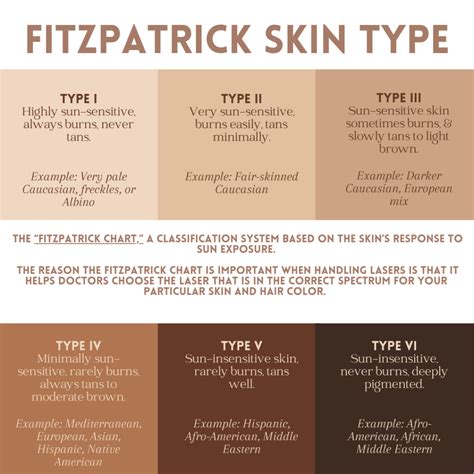
Beyond undertones, the Fitzpatrick scale is a scientific classification system used by dermatologists to assess your risk of skin cancer. It rates two factors: the amount of pigment in your skin and how your skin reacts to the sun. The scale has six categories, ranging from very fair to very dark skin.
Fitzpatrick Skin Type Categories:
- Type I: White skin color, blonde hair, green eyes. Burns very easily, tans minimally.
- Type II: White skin, blonde or light brown hair, blue or green eyes. Burns easily, tans minimally.
- Type III: White skin, blonde or brown hair, blue or brown eyes. Burns moderately, tans gradually.
- Type IV: Brown skin, hair, and eyes. Tans more than average, rarely burns.
- Type V: Dark brown skin, brown or black hair, brown eyes. Can burn very rarely, tans readily.
- Type VI: Black skin and hair, brown or black eyes. Tans readily and never burns.
Sun protection is necessary for all Fitzpatrick skin types. Individuals with lighter skin types (especially those with red hair or freckles) are advised to see a dermatologist for annual skin checks starting around age 30.
Finding Your Perfect Foundation Match
Understanding your undertone is fundamental to makeup artistry and skincare. Many people struggle to find the right foundation because they haven't identified their undertone. Professional makeup artists and estheticians master undertone identification to serve clients effectively.
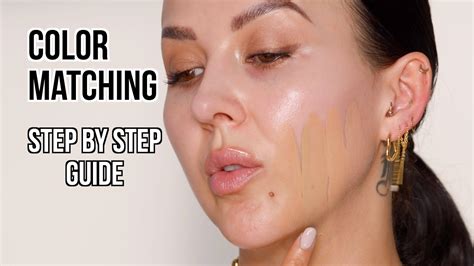
When testing foundation, always apply it to your jawline rather than your hand, and test in natural lighting whenever possible. Apply three potential shades along your jawline to see which one disappears seamlessly.
Foundation shade names often provide clues to undertones. Terms like "golden" or "warm" suggest warm undertones, while "porcelain" or "cool" indicate cool undertones.
Consider the color of blushes and lipsticks that complement your undertone:
- Warm undertones look best in peachy, coral, or warm pink blushes with bronze tones. For lips, orange-reds, corals, and warm nudes are stunning.
- Cool undertones favor blue-reds, berry shades, and cool nudes.
Some foundations can oxidize after application, darkening or changing color as they interact with your skin's natural oils. Testing a foundation for several hours before purchasing can help identify such issues.