Understanding when and how to apply moisturizer correctly is crucial for keeping your skin hydrated and protected throughout the day. A face cream works to moisturize the epidermis, creating a protective moisture barrier that shields skin from environmental stressors and locks in essential hydration. To help you enjoy the full benefits of your face cream, we answer the most commonly asked questions about moisturizer application.
The Proper Technique for Moisturizer Application
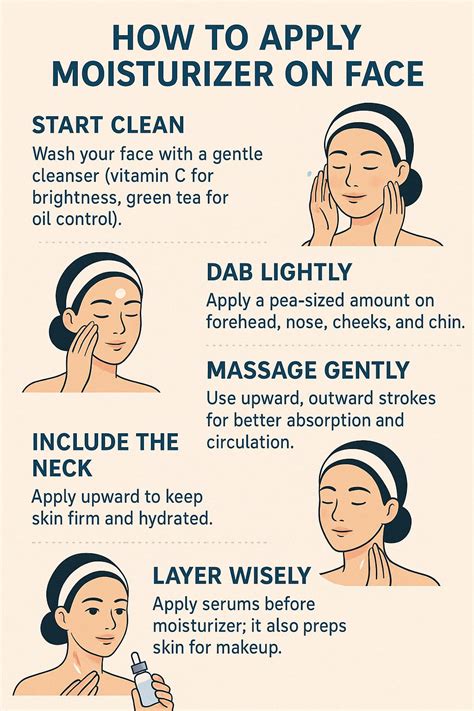
Applying moisturizer isn’t simply rubbing it into your skin. A heavy-handed application can tug on the skin, causing damage and premature aging. Instead, follow these steps for the best application:
- Dispense and Warm: Dispense the moisturizer onto the tips of your fingers, then gently rub your hands together to warm up the product. This allows for an easier application.
- Cheeks: Gently smooth the moisturizer over your cheeks, sweeping from the nose outwards.
- Forehead: Apply onto the forehead, working from the top of the brows towards the temples.
- Jawline: Sweep along the jawline, working from the chin to the ears.
- Absorption: Use gentle circular and patting motions to help the moisturizer absorb into the skin.
- Neck: Apply to the neck in upward strokes, working from the décolletage to the chin. Again, do this gently to avoid pulling or tugging on the skin.
How Much Moisturizer Should You Use?
Applying the right amount of moisturizer is key to maintaining healthy skin. Using too much could clog pores and cause congestion, while using too little can leave skin feeling dry and tight. A pea-sized amount should be enough to cover the face and neck. If your skin still feels dry, consider switching to a richer formula or applying a hyaluronic acid serum first.
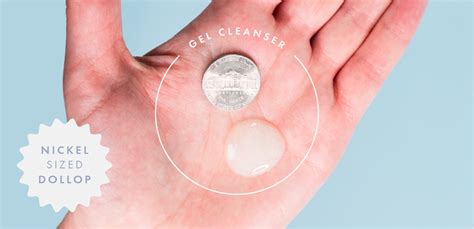
A general rule of thumb is that you should apply about a dime-sized amount of moisturizer for your entire face when using creams and a nickel-sized amount when using face lotions. The “right” amount can vary depending on your skin type and the texture of your chosen formula (ointment vs. cream vs. lotion).
When to Apply Moisturizer
A moisturizer should be applied as part of your daily skincare routine after cleansing and toning, and serum, but before SPF and makeup. According to the American Academy of Dermatology, the best time to apply moisturizer is immediately after cleansing, when your skin is clean and slightly damp. This is when your moisturizer will be most effective at trapping moisture in your skin and preventing it from evaporating. “It’s all about locking in moisture,” says Dr. If your skincare regimen includes additional steps between cleansing and moisturizing (such as toning), this same rule applies. Simply apply your products in their usual order, but don’t wait for your skin to fully dry between steps to keep your skin slightly damp. In general, your skincare routine should start with the lightest formulas and progress to the heaviest.
Dermatologists generally recommend moisturizing your face twice per day. According to Dr. Sugai, it’s best to make moisturizing part of your daily routine, “just like brushing your teeth-morning and night.” Similar to your daily cleanser, facial moisturizers require consistent use to enjoy their full benefits and achieve soft, vibrant-looking skin. If you’re concerned about over-moisturizing or need additional guidance on how often to moisturize for your skin’s specific needs, consult with a dermatologist.
The Correct Skincare Order
The correct order in which to apply skincare is:
- Cleanser
- Toner
- Serum
- Eye cream
- Moisturizer
- SPF
How to Use a Face Serum With a Moisturizer
While a good skincare routine should include both a face serum and cream, serum should always be applied before moisturizer. A serum is designed to penetrate the skin’s surface layer and target the appearance of damage. Applying serum after moisturizer would prevent the ingredients in the serum from penetrating into the skin’s surface, as moisturizer creates a barrier over the skin. However, applying moisturizer on top of serum helps to lock in its key ingredients.
What Goes First, Sunscreen or Moisturizer?
Sunscreen should always be applied after moisturizer, allowing your face cream to draw moisture into the skin and the sunscreen to best protect the skin from UV damage. Applying these skincare essentials the other way would severely diminish their effectiveness. To avoid confusion, consider using an SPF-infused face cream that combines the benefits of moisturizer and sunscreen in one.
“A facial moisturizer with sunscreen is a really important part of your skincare routine,” says Dr. Daniel Sugai. “It moisturizes, hydrates, and also helps protect your skin from UV radiation.” SPF stands for “Sun Protection Factor.” This number represents a measure of how well a sunscreen product helps protect against UVB rays. The higher the SPF value, the greater the protection against sunburn. For example, a product with SPF 30 filters approximately 97% of UVB rays, according to the Skin Cancer Foundation. Dr. Daniel Sugai recommends looking for a moisturizer with SPF that is “broad-spectrum,” which helps protect against both UVA and UVB rays.
For daytime, it’s important to choose a face moisturizer that supports your skin’s hydration and offers protection from the sun’s harmful rays. “Ultraviolet radiation from the sun is extremely damaging to the skin,” explains Dr. Sejal Shah. For this reason, Dr. Shah recommends using a broad-spectrum sunscreen with SPF 30 or above every day. And, according to Dr. Daniel Sugai, this advice is relevant all year long-no matter the season-even on cloudy days. “There's still a good amount of UVA radiation that comes through the clouds,” explains Dr. Dr. Sugai also recommends wearing sunscreen or a moisturizer with SPF anytime you’re going to be near a window, like when driving. “You should still wear sunscreen if you're by window glass, because [of] that UVA radiation,” he says. “Those rays can penetrate through window glass,” explains Dr. For a daytime moisturizer option with broad-spectrum SPF 30, try CeraVe AM Facial Moisturizing Lotion With Sunscreen to both moisturize and help protect. This morning multitasker locks in skin’s moisture and helps maintain your skin’s protective barrier. It also features MVE Delivery Technology, which continually releases moisturizing ingredients for all-day hydration.
Sunscreen Basics: SPF, Broad Spectrum, Water Resistance
Key Ingredients for Hydration
There are many moisturizer ingredients you can look for when your skin needs hydration. Dr. Adeline Kikam recommends "hydrating ingredients like hyaluronic acid, [which] is a humectant [that] helps draw moisture into the skin.” Dr. Daniel Sugai agrees, adding that “extra hydration is always a plus.” Dr. Sugai and Dr. Kikam also like to focus on ceramides. “You want an intact moisture barrier so [that] you can retain the hydration brought in by ingredients like hyaluronic acid that help plump and keep your skin healthy," says Dr. Kikam. All CeraVe moisturizers are formulated with three essential ceramides, as well as other skin-supporting ingredients, including hyaluronic acid. Developed with dermatologists, these formulas are designed to lock in moisture and help maintain your skin’s protective barrier.
Moisturizer for Nighttime Use
Applying face moisturizer as the final step in your nighttime skincare regimen is an effective way to hydrate your skin overnight and help prevent moisture loss while you sleep. For a lightweight nighttime moisturizer option, try CeraVe PM Facial Moisturizing Lotion. This unique formula features niacinamide, as well as three essential ceramides and hyaluronic acid. It helps calm and soothe your skin, while it moisturizes throughout the night and helps restore the protective skin barrier.
Finding the Best Moisturizer for Your Skin Type
Facial moisturizers aren’t a “one-size-fits-all” skincare essential. They’re available in a wide range of formulas to suit different preferences, skin concerns, and lifestyles. For example, many moisturizers for sensitive and dry skin are formulated without fragrance, since fragrance chemicals may cause skin reactions in some people.
Everyone can benefit from using a daily moisturizer. “Facial moisturizer is very important whether you're young [or] on the older side,” says Dr. Daniel Sugai. He notes that moisturizers help protect your skin from external aggressors, such as changes in weather, which can leave your skin feeling dry and tight. The right moisturizer can help “maintain that good skin equilibrium.”
Moisturizer Recommendations by Skin Type:
- Oily and Combination Skin: No7 HydraLuminous Water Surge Gel
- Dry Skin: No7 HydraLuminous Water Surge Gel Cream
- Sensitive Skin: No7 Lift & Luminate Triple Action Day Cream SPF 30
- Anti-Aging: No7 Protect & Perfect Intense Advanced Day Cream SPF 30
- Mature Skin: No7 Restore and Renew Multi Action Face & Neck Day Cream SPF 30
- Brightening Serum: Radiance+ 15% Vitamin C Serum
When to Seek Professional Advice
Because dry skin on your face can have many root causes, such as those mentioned by Dr. Sugai, it may not always be resolved by your moisturizing regimen alone. That’s why it’s important to consult with your doctor or a board-certified dermatologist if your skin is chronically dry or you experience flaky, scaly, or cracked skin that bleeds or is painful to the touch.
tags: #how #do #you #apply #moisturizer