The SKIN1004 Madagascar Centella Toner is a gentle PHA toner designed to soothe, exfoliate, hydrate, and brighten the skin in equal measure, aiming to provide a fresh, supple, and wrinkle-free finish.

Key Benefits of the Toner
This toner is formulated with 84% Centella Asiatica Extract, which instantly soothes and moisturizes irritated skin. It is also infused with PHA (Polyhydroxy Acid) to gently exfoliate sensitive skin, promoting a smooth and bright complexion. The toner further moisturizes the skin with Hyaluronic Acid and helps restore the skin's oil-water balance with Betaine. Additionally, it features Niacinamide and Adenosine to deliver brightening and anti-wrinkle effects, making it suitable for sensitive and acne-prone skin.
Understanding the Star Ingredient: Centella Asiatica Extract
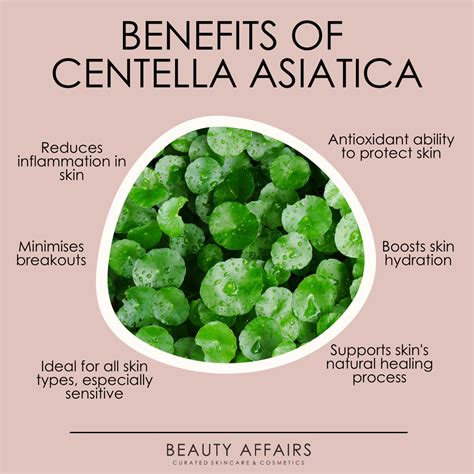
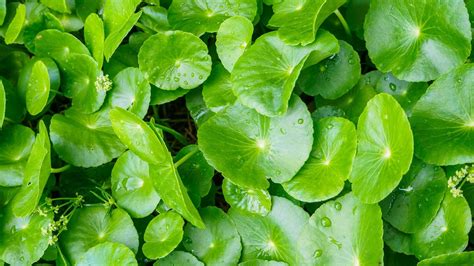
Centella Asiatica Extract, also known as Gotu Kola or Cica, is derived from an herb native to Southeast Asia and has been utilized in folk medicine for centuries. Science has recently confirmed its efficacy, revealing that it possesses numerous active compounds with significant benefits for the skin. The main biologically active compounds are pentacyclic triterpenoid saponins, including asiaticoside, madecassoside, asiatic acid, and madecassic acid, collectively referred to as centellosides.
Centellosides are known to stimulate the synthesis of GAGs (glycosaminoglycans), which are polysaccharides found in the intercellular spaces of the skin, and notably, hyaluronic acid synthesis. Madecassoside, in particular, has shown potential in aiding burn wound healing by boosting antioxidant activity and enhancing collagen synthesis. Centella Asiatica is also frequently found in products aimed at treating cellulite or striae.
The properties of Centella Asiatica, including its wound healing, anti-inflammatory, and antioxidant capabilities, make it a valuable ingredient in skincare. It is rich in Vitamin A, Vitamin C, several B vitamins, and Asiatic Acid. Historically, Centella has been used to treat burns, scratches, and wounds.
Key Ingredients and Their Functions
Base and Solvents
- Purified Water (H2O): The most common ingredient in cosmetic products, water serves as the primary solvent. The water used in cosmetics is purified and deionized, meaning most mineral ions have been removed.
- Dipropylene Glycol: A synthetically created humectant, stabilizer, and solvent. It belongs to the glycol family and is hydrating and gentle on the skin, unlike drying alcohols. It can also act as a masking agent for other ingredient odors without having a scent itself. It is considered safe for use in skincare.
Exfoliation and Skin Texture
- Gluconolactone: A type of PHA (Polyhydroxy Acid), Gluconolactone is a gentle alternative to AHAs. It dissolves dead skin cells in the top layer of the skin, improving texture and brightening the complexion. Due to its larger molecular structure compared to AHAs, it penetrates less deeply, leading to reduced irritation. Studies suggest Gluconolactone may help prevent UV damage and does not increase sun sensitivity, though daily SPF use is still recommended.
Barrier Support and Hydration
- Niacinamide (Vitamin B3): A multitasking form of vitamin B3 that strengthens the skin barrier, reduces the appearance of pores and dark spots, regulates oil production, and improves signs of aging. It is generally well-tolerated, even by sensitive skin. When applied, the body converts niacinamide into NAD (nicotinamide adenine dinucleotide), an essential coenzyme that fuels cellular processes, aiding in cell repair, new cell production, collagen support, barrier strengthening, and fighting environmental stressors. Natural NAD levels decline with age, making niacinamide beneficial for recharging these levels.
- Betaine: A humectant derived from sugar beets, Betaine attracts and retains moisture in the skin, similar to hyaluronic acid. It is known for its gentleness and ability to maintain balanced hydration by regulating water balance in skin cells. It may also contribute to a more even skin tone.
- Hyaluronic Acid: Naturally found in healthy skin, Hyaluronic Acid is a humectant that draws moisture to the skin, providing hydration, soothing, and protection. Its capacity to bind large amounts of water makes it highly effective. Studies suggest it has anti-inflammatory and anti-microbial properties that can aid wound healing. However, low-molecular weight hyaluronic acid can sometimes cause irritation, while high-molecular weight hyaluronic acid is considered anti-inflammatory.
Soothing and Anti-Inflammatory Properties
- Dipotassium Glycyrrhizate: Derived from licorice root, this ingredient possesses potent antioxidant and soothing properties due to compounds like glabridin. It may also help block pigmentation from UVB rays and has anti-inflammatory and antimicrobial benefits from glycyrrhizin.
Anti-Aging and Cell Renewal
- Adenosine: An important compound in all living organisms involved in nucleic acids and DNA storage. In skincare, it offers hydrating, smoothing, and wrinkle-reducing benefits. It promotes collagen production, improves firmness, and aids tissue repair. Studies suggest it may also assist with wound healing.
Stabilizers and Preservatives
- Tromethamine: Synthetically created, it helps balance the pH and improve product texture. It acts as an emulsifier, preventing oil and water separation, thus stabilizing the product and extending its shelf life. It also helps maintain the skin's natural slightly acidic pH, crucial for the acid mantle's protective barrier function.
- Carbomer: A high-molecular weight polymer of acrylic acid used to thicken formulas and create gels. Due to its large molecular size, it has minimal skin penetration and is considered inert. High concentrations can cause pilling, but typically it's used at 1% or less.
- Sodium Citrate: The sodium salt of citric acid, used to adjust pH levels and act as a preservative by neutralizing metal ions.
- Disodium EDTA: A chelating agent that neutralizes metal ions in a product, enhancing the stability and effectiveness of other preservatives.
- Ethylhexylglycerin: Commonly used as a preservative and skin softener, often paired with other preservatives like phenoxyethanol. It enhances their effectiveness.
You're Probably Using Niacinamide Wrong! How to Use, Layer, & Combine Niacinamide for Real Results
How to Use
After cleansing, dispense an appropriate amount of toner onto your palms or a cotton pad. Gently press the toner onto your face and neck, tapping lightly to aid absorption for optimal results.
Product Details
- Size: 210ml
- Major Ingredients: Centella Asiatica Extract (84%), Purified Water, Dipropylene Glycol, 1,2-Hexandiol, Niacinamide, Gluconolactone, Tromethamine, Carbomer, Sodium Citrate, Adenosine, Disodium EDTA, Dipotassium Glycyrrhizate, Betaine, Hyaluronic Acid, Ethylhexylglycerin. (Note: Ingredients are subject to change by the manufacturer.)
- Origin: South Korea
- Catalog No.: 1077182357
About the Brand: SKIN1004
SKIN1004 is a Korean skincare brand committed to using high-quality ingredients to address concerns such as acne, hypersensitivity, enlarged pores, and redness. The brand's name, where "one thousand and four" sounds like "angel" in Korean, reflects its aim to be a guardian angel for the skin. Popular products include the Zombie Pack and the Madagascar Centella Asiatica 100 Ampoule, which features extracts from Madagascan centella.
tags: #skin1004 #madagascar #centella #toner