Dancers use their craft to tell a story for the audience, projecting emotions, words, and ideas with their movements. The ability to wordlessly translate their feelings for the crowd is a refined skill. Dancers need to use their whole bodies and the expressions on their faces to help convey the emotion of the moment. But with the bright, shining lights flooding the stage, it’s easy for dancers’ expressions to be washed out. That means the subtle nuances that are essential for setting the tone for their story can be overlooked. By highlighting dancers’ facial features, it makes it easier for the audience to see their expressions.
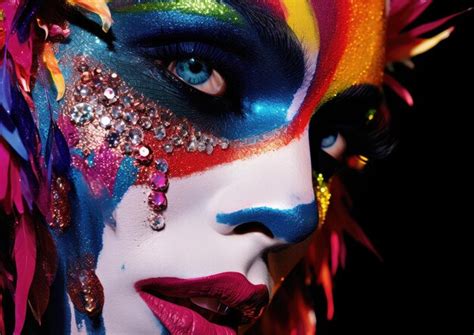
It’s an important and long-standing tradition in the ballet community for dancers to include stage makeup as a routine component of their costumes. Stage makeup needs to be a lot heavier than normal makeup because the bright lights wash out people’s facial features unless they are emphasized with dark makeup.
Stage Makeup for Young Dancers
While most young dancers haven’t yet mastered the proper expressiveness for their dance routines, stage makeup for kids and younger dancers is still usually required for performances. Though stage makeup still plays an important role in the presentation of young dancers, there are some differences in how their palettes should be applied. It’s not uncommon for parents to have some reservations about putting a full adult-level application of makeup on their young children’s faces. There’s no need to worry about intricate contours and layer upon layer of products for young dancers.
Application Tips for Children
However, in most cases, it’s better to wait until closer to showtime to apply makeup on young dancers. Since they aren’t used to having makeup on, it may be easier for them to forget it’s there and inadvertently rub their faces, streaking mascara and lipstick as they go. When applying makeup to a young dancer, it’s important to make sure they are able to sit calmly and wait for the process to be over. Kids who fidget or are too excited for their show to sit still may need to have their makeup applied in stages so they can have a break to shake some of that energy out.
Foundation
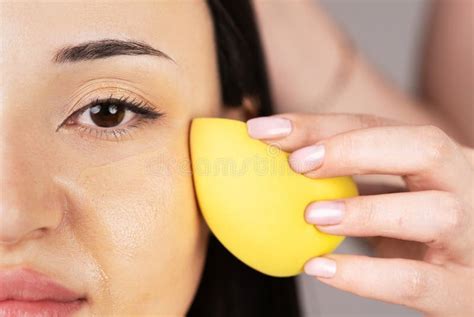
Some parents may prefer to opt out of foundation. Check with the instructors to be sure, but most won’t require foundation for very young dancers. Make sure the color matches your child’s skin tone. If she’s never worn makeup before, test the skin on the inside of her wrist to make sure she doesn’t have any allergies to the product. Use a makeup sponge to dab the foundation evenly across her face and neck once you’ve determined that it’s safe. Use more foundation than you would for “street” makeup. Blend the foundation at the jawline.
Blush
Stage makeup for kids will be a little more dramatic than normal makeup, so the blush should be slightly more pronounced. Since kids tend to not have defined cheekbones, have your dancer smile the biggest, cheesiest smile she can, or else suck in her cheeks to make a fish face. This will help you find the apples of her cheeks. Use a cream blush in a peach or pale pink with shimmery tones to highlight the cheekbones.
Eyeshadow
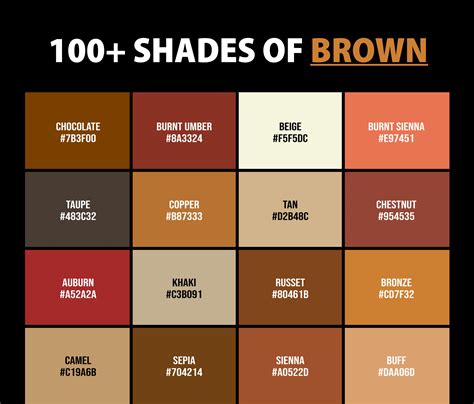
You’ll want to verify with your child’s program to see how much eye makeup they prefer. Some will be fine with just a little eyeshadow and mascara for young dancers. Choose a neutral color to highlight the brow bone first, or just focus on the lid. The lid color should be close to your dancer’s natural skin tone, just a few shades darker. For pale dancers, that could mean either a tan or light grey, for example. Using a cream/ivory shadow on the lids is recommended. Brown eyeshadows in different grades are also a good idea; a light, medium, and dark brown. Choose relatively muted colors - too bright, and the child will look garish.
Eyeliner
The Champaign-Urbana Ballet recommends using eyeliner on the bottom and top lids to help emphasize the eye. Be aware that for young children, a traditional pencil liner may be too hard for their delicate skin. Line the eyes using a liquid eyeliner in black or very dark brown. Extend the line on the top lash slightly past the eye, but don’t turn it up.
Mascara
Most mascara tubes have brushes that are too big for small eyelashes. Try finding a small sample- or travel-size mascara, or one that’s made for lower lashes. These will be smaller and more manageable on young faces. Many kids will be wary of having something so close to their eyes.
Lipstick and Lipliner
Lipliner will help keep lipstick in place. Apply lipstick last and be sure your dancer blots with a tissue. Begin by lining the lips with a red lipliner pencil, then fill them in with red lipstick. Avoid bright reds, as these can be too bright for children.
Key Colors for Young Dancers
The key to doing children’s makeup for ballet is to use natural colors. The child shouldn’t look “made up” with loud colors; rather, the makeup should make her features stand out from far away. A typical palette for very young dancers includes:
- Foundation - Skin Colour
- Lip liner - Red
- Lipstick - Red
- Blush - Pink
- Powder - Skin Colour
- Eye shadow - 3 x shades of browns
More Advanced Stage Makeup Techniques
As children mature, their makeup should reflect their age and become stronger and heavier, depending on their age. This first tutorial is ideal for moms with very young children. This tutorial is a little more advanced.
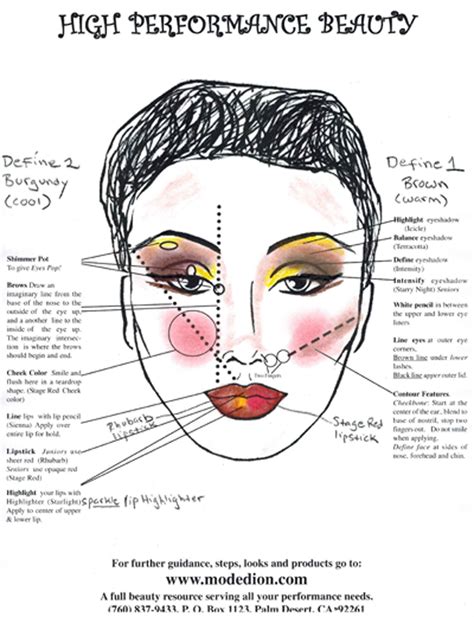
A sketch has been drawn below to help you with your stage makeup. Along with images as examples for Junior and Senior students.