Dark spots on the face, often referred to as age spots or hyperpigmentation, are a common concern for many individuals. These small, flat, and darkened areas can vary in size and typically appear on skin that has been exposed to the sun, such as the face, hands, shoulders, and arms. While age spots are particularly prevalent in adults over the age of 50, younger individuals can also develop them due to significant sun exposure.
It is important to note that age spots can sometimes resemble cancerous growths. However, true age spots do not require medical treatment. Instead, they serve as an indicator that the skin has endured considerable sun exposure and is attempting to protect itself from further damage. For aesthetic purposes, these spots can be effectively lightened or removed.
Preventative measures, such as consistent sunscreen use and limiting sun exposure, can significantly help in preventing the formation of age spots.
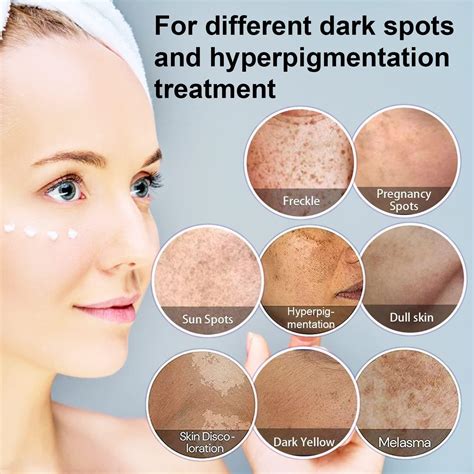
Symptoms and Appearance of Dark Spots
Age spots can affect individuals of all skin types, though they are more commonly observed in those whose skin sunburns easily. Over time, these spots may increase in size and cluster together, resulting in a speckled or mottled appearance of the skin.
Key characteristics of age spots include:
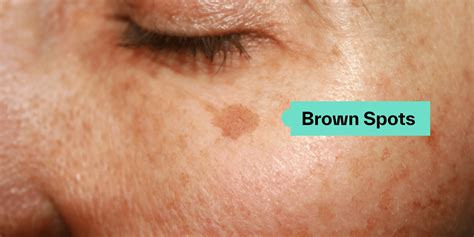
- Flat, oval areas with increased pigmentation.
- Typically tan to dark brown in color.
- Located on skin areas that have received the most sun exposure throughout the years, such as the backs of hands, tops of feet, face, shoulders, and upper back.
- Ranging in size from freckle-sized to approximately 1/2 inch (13 millimeters) in diameter.
- The tendency to group together, making them more noticeable.
When to Consult a Doctor
While age spots themselves do not necessitate medical attention, it is advisable to have your doctor examine any spots that:
- Are black in color.
- Have changed in their appearance.
- Exhibit an irregular border.
- Display an unusual combination of colors.
- Are bleeding.
If you have any areas of hyperpigmentation that display more than one color or do not respond to treatment, scheduling an appointment with a dermatologist is recommended.
Understanding Hyperpigmentation
Disorders of skin darkening, collectively known as hyperpigmentation, are among the most frequent dermatological complaints. Hyperpigmentation occurs when patches of skin become darker than the surrounding skin. Depending on your natural skin complexion, these areas can manifest as brown, tan, pink, gray, black, or even purple hues. This condition can stem from hereditary factors, underlying medical conditions, certain medications, or external influences.
The face is a common area where hyperpigmentation appears, with the specific location often depending on the type of hyperpigmentation.
Common Types of Hyperpigmentation
The most common types of hyperpigmentation are generally harmless and can appear during childhood, pregnancy, or develop with age. Other forms can be indicative of underlying disorders or occur as a result of previous skin trauma.
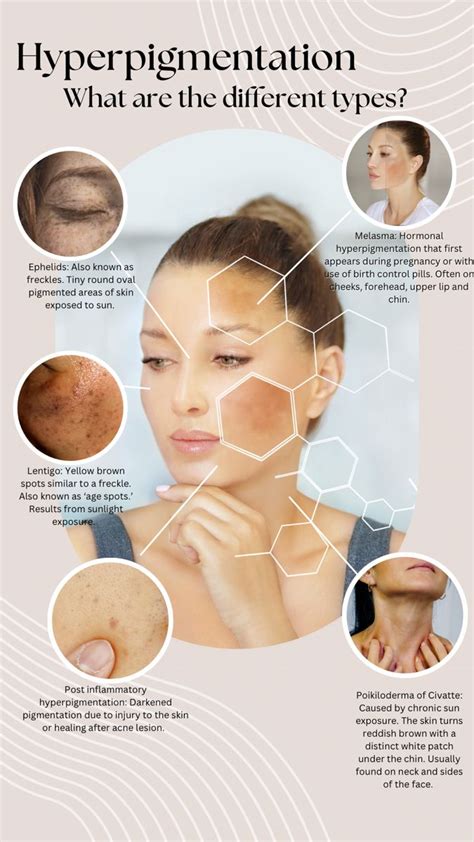
- Freckles (Ephelides): Small tan or brown spots that typically emerge in childhood on sun-exposed skin.
- Age Spots (Solar Lentigines): These spots, ranging from tan to dark brown, are larger than freckles and are a direct result of sun exposure.
- Melasma: Primarily affecting females in their 20s and 30s, this condition causes irregular dark patches on the face.
- Maturational Hyperpigmentation: Often seen on the sides of the face, this type involves the gradual darkening of sun-exposed skin in individuals with darker complexions.
- Periorbital Hyperpigmentation: Darkening around the eye area.
- Acanthosis Nigricans: This condition leads to skin darkening in areas prone to friction, such as the armpits, groin, and the back of the neck.
- Post-inflammatory Hyperpigmentation: Discoloration resulting from skin inflammation or injury, including burns, wounds, acne, or skin rashes.
Causes of Dark Spots
The most prevalent cause of hyperpigmentation is **sun exposure**. The body's natural response to protect itself from harmful ultraviolet (UV) radiation is to increase melanin production, the pigment that gives skin its color. UV light directly accelerates this process.
Other contributing factors can include:
- Hereditary predispositions.
- Certain medical conditions.
- Side effects of medications.
- Previous skin trauma, such as acne, injuries, or burns.
Treatments and Prevention
While true age spots do not require medical treatment, they can be lightened or removed for cosmetic reasons. For other forms of hyperpigmentation, various treatment options are available. Topical therapies, such as creams and lotions applied directly to the skin, are the most common approach.
Certain vitamins and antioxidants can also be beneficial for managing hyperpigmentation. These include vitamins A, B, C, and E, which can be obtained through diet or supplements. However, it is always advisable to consult your doctor before starting any new medication or treatment regimen.
If hyperpigmentation is linked to an underlying medical condition, your doctor may be able to prescribe specific medications to address it.
Preventative Strategies
Preventing further sun damage is crucial in managing and preventing dark spots. Key strategies include:
- Use Sunscreen Regularly: Apply a broad-spectrum sunscreen with an SPF of at least 30 fifteen to thirty minutes before going outdoors. Reapply generously every two hours, or more frequently if swimming or sweating.
- Seek Shade and Limit Sun Exposure: Schedule outdoor activities for cooler parts of the day when the sun's rays are less intense.
- Cover Up: Wear tightly woven clothing that covers your arms and legs. A broad-brimmed hat offers better protection than a baseball cap or golf visor. Consider clothing specifically designed for sun protection, labeled with an Ultraviolet Protection Factor (UPF) of 40 to 50.
Sunscreen & Sun Protection Tips I Use During the Week | Susan Yara
Specific Product Recommendations
Products containing ingredients like Thiamidol have shown efficacy in reducing dark spots. For example:
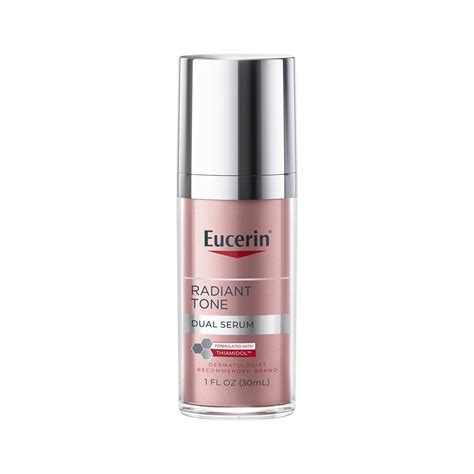
- Eucerin® Radiant Tone Dark Spot Corrector Dual Serum: Addresses dark spots due to sun exposure and aging, as well as uneven skin tone and dullness. It can be used day or night.
- Eucerin® Radiant Tone Dark Spot Corrector Daily Lotion with Broad-Spectrum SPF 30: Recommended for dark spots from sun exposure, imperfections, and aging, and can improve skin's radiance.
- Eucerin Radiant Tone Night Cream: Formulated with Thiamidol to visibly reduce the appearance of dark spots while you sleep.
- Eucerin® Radiant Tone Eye Cream - Dark Circle Corrector: Contains Thiamidol and Hyaluronic Acid to instantly brighten the under-eye area and reduce puffiness.
When using certain Eucerin® Radiant Tone products, it's recommended to limit their collective use (excluding the Gel Cleanser) to four times a day. Always apply serums to a well-cleansed face and gently massage into the skin before proceeding with other skincare steps.