Sulfur is a naturally occurring chemical element that plays a vital role in all living tissues. It ranks as the third most abundant mineral in the human body, following calcium and phosphorus. This versatile element is also found in common foods such as garlic, onions, and broccoli.
In dermatological applications, sulfur is applied topically to address various skin conditions. It is commonly used for dandruff and for treating itchy skin infections caused by mites, known as scabies. Furthermore, sulfur is applied to the skin to manage acne and rosacea (skin redness). While it is also taken orally for numerous other conditions, the scientific evidence supporting these uses is often limited.

Sulfur's Mechanism of Action on the Skin
Sulfur's efficacy in treating skin ailments stems from its unique properties. It appears to possess antibacterial effects, particularly against the bacteria implicated in acne development. Additionally, sulfur may aid in the loosening and shedding of dead skin cells. This keratolytic action is believed to be beneficial in treating conditions like seborrheic dermatitis and acne by promoting clearer pores and smoother skin.
The element's anti-inflammatory properties also contribute to its therapeutic value. By minimizing inflammation, sulfur can help calm irritated skin, reduce redness, and alleviate discomfort associated with various dermatological issues.
Effectiveness and Uses of Sulfur for Skin Conditions
Dandruff
Sulfur is an FDA-approved ingredient found in many over-the-counter (OTC) products designed to treat dandruff. While research on its effectiveness is ongoing, some studies indicate that shampoos containing sulfur, often in combination with salicylic acid, can significantly reduce dandruff when used consistently over several weeks. Shampoos that combine both sulfur and salicylic acid appear to yield the most favorable results.
Scabies
Topical application of sulfur in a jelly form has shown to be an effective treatment for scabies in a majority of individuals. These treatments are typically applied overnight for a period of three to six nights. However, the characteristic odor of sulfur can make this treatment less pleasant. It is also worth noting that more modern, potentially more agreeable, and cost-effective treatments like ivermectin and permethrin are available.
Acne
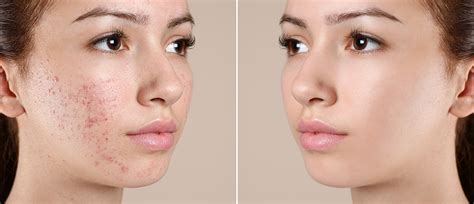
Sulfur is recognized by the FDA as a safe and effective ingredient for OTC acne treatments. Its mechanism of action for acne involves drying the skin's surface to help absorb excess oil (sebum), a primary contributor to breakouts. It also works by drying out dead skin cells, which helps to unclog pores. This dual action is particularly effective for milder forms of acne, such as whiteheads and blackheads, which are characterized by a combination of dead skin cells and excess sebum.
Sulfur is often formulated in combination with other active acne-fighting ingredients, including benzoyl peroxide, salicylic acid, or sodium sulfacetamide, to enhance its efficacy. While sulfur is generally considered gentler than some other acne treatments, it can still cause dryness and irritation in some individuals. It is best suited for inflammatory acne lesions like papules and pustules, but its effectiveness may vary among users.
Rosacea
For individuals suffering from rosacea, a skin condition causing facial redness, topical sulfur creams have shown promise. Early research suggests that daily application of sulfur cream can reduce the fluid-filled bumps and other symptoms associated with rosacea. Some studies have even indicated that sulfur cream may be as effective as the antibiotic tetracycline in managing rosacea symptoms.
Other Potential Uses
While more extensive research is needed, sulfur is being investigated for its potential benefits in other skin and health conditions, including:
- Rough, scaly skin on the scalp and face (seborrheic dermatitis)
- Poison ivy, oak, and sumac infections
- Hay fever (in homeopathic nasal sprays)
- Common cold symptoms (in homeopathic oral products)
- High cholesterol or triglyceride levels (when drinking sulfurous spring water)
It is important to note that scientific evidence for these uses is still developing.
Understanding Sulfur Formulas and Forms
In skincare, sulfur is typically found in two primary forms:
- Precipitated Sulfur: This is the most common form used in dermatology. Produced through a distillation process, it results in a fine white powder. Its small particle size allows for better penetration of the skin's surface, enhancing its therapeutic effects.
- Colloidal Sulfur: Considered the most active form of sulfur, these finely milled particles are incorporated into various formulations like lotions, creams, masks, and spot treatments.
Sulfur is available in multiple product types, including creams, lotions, ointments, soaps, cleansers, masks, and spot treatments. The choice of product often depends on the specific skin concern and individual preference. For instance, sulfur-based cleansers or masks can be beneficial for acne-prone skin to help reduce sebum and clear pores.
Incorporating Sulfur into Your Skincare Routine
Integrating sulfur into your skincare regimen requires a thoughtful approach to maximize benefits while minimizing potential side effects.
Choosing the Right Product and Concentration
Over-the-counter sulfur products typically contain concentrations ranging from 3% to 10%. For acne treatments, concentrations up to 10% are generally considered safe for use over an eight-week period. It is advisable to consult with a dermatologist to determine the most suitable concentration and formula for your specific skin needs.
Application and Frequency
Always follow the product's specific instructions for application frequency. As a general guideline, it is recommended to start with once-daily application or every other day. Gradually increase the frequency to two to three times a day as your skin becomes accustomed to the product. For spot treatments, application may be recommended up to three times daily.
Before applying any new sulfur product to your face, perform a patch test on a small, inconspicuous area of skin (such as the inner arm) for 24 hours. This helps identify any potential sensitivities or allergic reactions.
Potential Interactions and Precautions
Sulfur can increase skin's sensitivity to the sun. Therefore, it is crucial to apply a broad-spectrum sunscreen with an SPF of 30 or higher every morning and practice other sun-safety measures, such as wearing protective clothing and hats.
Avoid using sulfur-based products concurrently with other potentially drying or exfoliating agents like salicylic acid, benzoyl peroxide, or retinoids, unless specifically advised by a dermatologist. Combining these ingredients can increase the risk of excessive dryness and irritation. If you have sensitive skin, sulfur can be a gentler alternative to ingredients like benzoyl peroxide, offering similar benefits with a milder delivery system.
Moisturizing and Sun Protection
After applying sulfur treatments, follow up with a non-comedogenic moisturizer to maintain skin hydration without clogging pores. Look for moisturizers containing soothing ingredients like hyaluronic acid or glycerin, especially if you have sensitive skin.
AVOID A SKINCARE DISASTER BY DOING THIS FIRST - How To Do A Patch test At Home (Skincare Test)
Safety, Side Effects, and Considerations
General Safety
When applied topically and used appropriately for short durations, sulfur is generally considered possibly safe. Products containing up to 10% sulfur have been safely used for up to eight weeks. However, individual reactions can vary.
Potential Side Effects
The most common side effects associated with topical sulfur application include dryness and irritation of the skin. These effects are more likely to occur with excessive use or in higher concentrations. If redness, itching, or a rash develops, discontinue use and consult a dermatologist.
While pure sulfur is odorless, some sulfur compounds can have a distinct "rotten egg" smell. However, many modern skincare formulations are designed to neutralize or mask this odor through the addition of other ingredients or fragrances.
Special Precautions
- Pregnancy and Breast-feeding: While topical application is considered possibly safe for short periods, it is advisable to exercise caution and consult a healthcare provider before using sulfur orally during pregnancy or breast-feeding.
- Children: Sulfur is generally considered possibly safe when applied topically to children and infants in appropriate concentrations and for limited durations, as directed by a healthcare professional.
- Sulfa Allergy: It is a common misconception that individuals allergic to sulfa drugs are also allergic to sulfur. This is typically not true. A true sulfa allergy is a reaction to sulfonamide compounds found in certain medications, not elemental sulfur.
Drug Interactions
Currently, there is limited information available regarding significant drug interactions with topical sulfur. However, it is always prudent to inform your healthcare provider about all medications and supplements you are taking.
Commonly Available Sulfur Products
Sulfur is a widely accessible ingredient found in numerous skincare products available at drugstores, beauty retailers, and online. Some popular examples include:
- Murad Clarifying Mask
- DermaDoctor Ainât Misbehavinâ Intensive 10% Sulfur Acne Mask
- Dermalogica Gentle Cream Exfoliant
- Mario Badescu Special Cleansing Lotion C
- ProActiv Skin Purifying Mask
- De La Cruz 10% Sulfur Ointment Acne Treatment
- Heritage Store Hot Springs Sulfur Soap
For more persistent conditions, prescription-strength sulfur products, often containing sodium sulfacetamide, may be recommended by a dermatologist.