Trichloroacetic acid (TCA) peels are a popular cosmetic procedure designed to rejuvenate the skin by smoothing its surface and removing the outermost layer of damaged skin cells. This type of chemical peel utilizes acidic solutions to exfoliate the skin, revealing a fresher, more refined complexion underneath.
TCA peels are a versatile cosmetic treatment that can be administered by various qualified practitioners, including dermatologists, physicians, physician assistants, and nurses, typically in an outpatient setting. The benefits of undergoing a TCA peel can be extensive, addressing a range of common skin concerns.
Benefits of TCA Peels
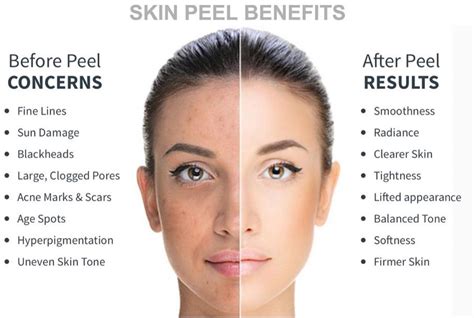
Chemical peels, particularly those utilizing TCA, can offer a multitude of improvements for the skin:
- Minimize blemishes: TCA peels can effectively reduce the occurrence and appearance of acne and other imperfections.
- Reduce the appearance of wrinkles: By stimulating collagen production and removing damaged cells, TCA peels can soften fine lines and wrinkles.
- Even skin color: They help to correct uneven skin tone, reducing the appearance of dark spots and hyperpigmentation.
- Aid in removal of precancerous growths: In some cases, TCA peels can be used to treat and remove certain precancerous skin lesions.
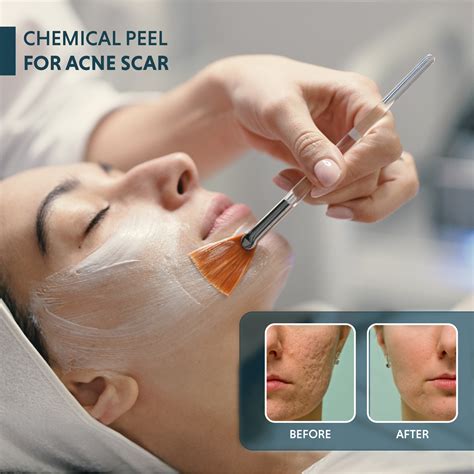
- Soften acne scars: The exfoliating action of TCA peels can significantly improve the texture and appearance of acne scars.
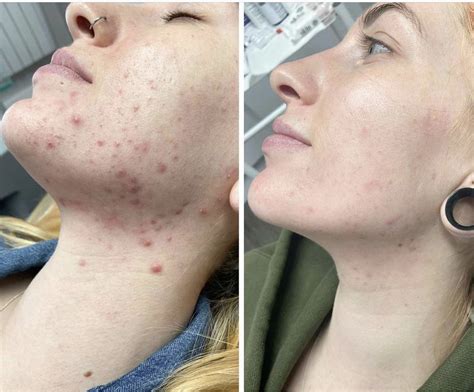
- Help prevent and control acne: By unclogging pores and reducing inflammation, TCA peels can be a valuable tool in managing acne.
Understanding TCA Peel Depths and Concentrations
TCA peels are generally categorized by their depth of penetration and the concentration of the active ingredient. This dictates the intensity of the peel and the expected results and recovery time.
Medium-Depth Peels
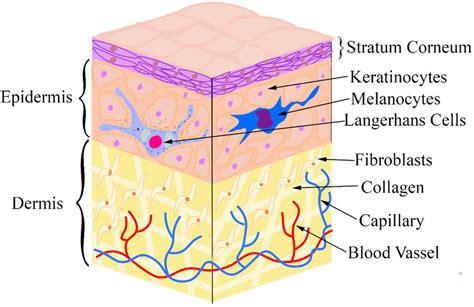
TCA peels are typically considered medium-depth treatments. This means they effectively remove the top layer of skin, the epidermis, and a small portion of the underlying layer, the dermis. This level of exfoliation is sufficient to address many common skin concerns.
Concentrations and Depth
TCA peels are available in various concentrations, ranging from medium to high.
- Medium concentrations generally result in a medium-depth peel, requiring a healing period of approximately 7-14 days.
- Higher concentrations can create a deeper peel, penetrating further into the dermis and removing more underlying skin. These deeper peels typically require a longer recovery time, often 14-21 days.
The optimal peel concentration for an individual depends on their specific skin type, concerns, and desired outcomes. It is crucial to consult with a qualified practitioner to determine the most suitable peel for your needs.
Safety and Effectiveness
TCA peels have been studied for their safety and effectiveness, with research indicating positive outcomes, particularly at lower concentrations.
A 2018 study highlighted that TCA peels in medium to deep-depth solutions are generally well-tolerated at lower concentrations. However, the authors cautioned that higher concentrations of TCA solution can increase the risk of complications. These potential complications may include:
- Reactivation of herpes simplex virus
- Bacterial infections
- Scarring
- Changes in skin pigmentation
Choosing a certified and experienced practitioner is paramount to minimizing these risks and ensuring a safe and effective treatment.
The Procedure and What to Expect
The TCA peel procedure itself is relatively straightforward, though it requires careful preparation and post-treatment care.
Preparation
Before a TCA peel, a practitioner may recommend specific pre-peel routines to optimize results and prepare the skin. This could involve using prescription topical medications, such as tretinoin, or a dedicated pre-peel skincare regimen for one to two weeks prior to the procedure. These steps help to ensure the skin is receptive to the peel and can enhance the overall outcome.
During the Procedure
On the day of the peel, the medical team will thoroughly clean the skin. Local anesthesia may be administered if needed, depending on the peel's concentration and the patient's sensitivity. The practitioner will then apply an even layer of the TCA solution, carefully monitoring its application time before removal. Following removal, cool compresses or other soothing treatments are applied to aid the skin's initial recovery.
The application and removal process of the peel itself is typically brief, often taking around 10-15 minutes. However, the overall appointment duration may be longer due to preparation and post-procedure care.
Post-Procedure and Recovery
The recovery period following a TCA peel varies depending on the depth and concentration of the peel used.
- Medium-depth peels (medium concentrations): Expect approximately 7-14 days of healing time. During this period, the skin may appear red, swell for the first 24-48 hours, and potentially blister and break open.
- Deeper peels (higher concentrations): Recovery can extend to 14-21 days. During this time, diligent skin care is essential.
Following the procedure, individuals will likely need to take extra precautions regarding sun exposure for several months. The skin becomes more sensitive to UV radiation post-peel, and diligent use of broad-spectrum sunscreen (SPF 50 or higher) is crucial to prevent hyperpigmentation and further damage.
Common side effects during the initial healing phase include:
- Redness
- Swelling
- Blistering
- Peeling
- Tightness
It is vital to follow all post-procedure instructions provided by the practitioner, including avoiding picking or scratching the treated skin and refraining from applying makeup until the skin is ready.
Common Side Effects and Risks
While TCA peels are generally safe when performed by a qualified professional, some side effects can occur. Understanding these potential risks allows individuals to make informed decisions.
Common Side Effects
- Temporary darkening of the skin: This is a common reaction as the skin heals.
- Persistent discolorations: In some cases, pigment changes can be longer-lasting.
- Scarring: While the risk is reduced with certified practitioners, scarring is a potential complication, especially with deeper peels or improper aftercare.
- Lighter skin color: Some individuals may experience a lightening of the treated skin.
More Serious Side Effects
In rarer instances, more serious side effects can manifest, such as infections. To minimize the risk of adverse reactions, individuals should:
- Strictly follow all instructions from their practitioner.
- Avoid picking or scratching the treated skin.
- Consistently wear sunscreen and limit sun exposure.
- Refrain from using tanning beds.
- Avoid applying makeup until cleared by the practitioner.
Cost of TCA Peels
The cost of a TCA peel can vary significantly based on several factors. In 2020, the average cost of a chemical peel was approximately $519. This typical cost often encompasses:
- Facility fees
- Cost of any prescribed medications
- Anesthesia fees, if required
It is important to note that insurance typically does not cover the costs of cosmetic procedures like TCA peels, as they are generally performed for aesthetic enhancement rather than medical necessity.
Factors Influencing Price
- Office location: Prices can differ based on geographical area and the cost of living.
- Time required for the procedure: Longer or more complex treatments may incur higher costs.
- Area treated: The size of the area being treated can affect the overall price.
- Practitioner's expertise and qualifications: Highly experienced and specialized practitioners may charge more for their services.
Who is a Good Candidate for a TCA Peel?
TCA peels are effective for a wide range of individuals seeking to improve their skin's appearance. However, certain factors make some individuals better candidates than others.
Ideal Candidates
TCA peels are generally beneficial for individuals experiencing:
- Wrinkles and fine lines
- Uneven skin tone
- Blemishes and acne
- Sun damage and age spots
- Certain types of acne scars
An experienced practitioner can assess an individual's skin type, medical history, and aesthetic goals to determine if a TCA peel is the most appropriate treatment. They can also advise on the best concentration and depth of peel for optimal results.
Who Should Steer Clear?
While TCA peels offer numerous benefits, they may not be suitable for everyone. Individuals with:
- Deep wrinkles, severe acne scarring, or significant sagging skin may require more intensive treatments.
- Certain medical conditions or a history of keloid scarring may be advised against TCA peels.
- Individuals who are pregnant or breastfeeding should generally avoid chemical peels.
A thorough consultation with a healthcare provider is essential to ascertain suitability.
TCA Peels vs. Other Chemical Peels
TCA peels are one of many types of chemical peels available. Understanding the differences can help in choosing the right treatment.
Other Types of Chemical Peels Include:
- Beta Hydroxy Acids (BHAs): Such as salicylic acid (often used at 30%).
- Alpha Hydroxy Acids (AHAs): Including glycolic acid (30-50%, or 70% with pretreatment), lactic acid (10-30%), or mandelic acid (40%).
- Alpha Keto Acids (AKAs): Like pyruvic acid (50%).
- Phenol Peels: Such as the Baker-Gordon phenol peel (50-55% phenol), which are typically deeper and more aggressive.
The choice between TCA and other peels depends on the specific skin concerns, desired depth of treatment, and individual skin characteristics. Consulting with a professional is key to selecting the most effective option.
Personal Experiences and Reviews
Real-world experiences and reviews offer valuable insights into the efficacy and recovery process of TCA peels.
Case Study: Seasonal Skin Woes and a Solution
One individual described experiencing significant skin changes with each season, particularly in the fall. Itchy, red, bumpy skin and breakouts on the back and chest led them to seek a solution. After trying various products without success, they discovered the Stacked Skincare TCA Multi-Acid Body Peel.
Initial skepticism gave way to positive results. After application, a mild burning sensation subsided. While immediate changes weren't apparent, the next morning revealed smaller pimples and reduced red bumps. Within a week, the skin on their arms became smooth, and body acne significantly diminished. This experience highlighted the effectiveness of body peels compared to traditional exfoliators.
The Science Behind Body Peels
Dr. Rachel Nazarian of Schweiger Dermatology Group explains that chemical peels differ from traditional exfoliators because their ingredients actively break down the bonds between dead skin cells, causing them to shed without physical abrasion. This chemical action is often less irritating than manual scrubbing. Body peels can address concerns like dry skin, slow skin cell turnover, and acne.
Practitioner Recommendations
Dr. Nazarian recommends specific body peels for various concerns:
- For acne and smoothing rough bumps: A peel containing trichloroacetic acid, lactic acid, and salicylic acid is suggested.
- For rough bumps and uneven texture: A peel with glycolic acid is ideal for improving skin texture.
- For decreasing stains and discoloration while preventing new breakouts: Peels combining salicylic acid and glycolic acid are recommended.
DIY vs. Professional Application
While some individuals explore at-home TCA peel options, professional application is generally recommended, especially for higher concentrations. A professional can ensure proper application, monitor the skin's response, and manage any adverse reactions effectively. For instance, one reviewer strongly advised against at-home application, emphasizing the importance of a cautious and careful approach by a trained professional like Jesse at Chalekson Medspa.
The 15% TCA Peel Experience
A 15% TCA peel is often considered a middle-ground option, strong enough for visible results but potentially accessible outside of strictly professional settings. This concentration can target texture issues, sun damage, fine lines, and stubborn hyperpigmentation.
The recovery from a 15% TCA peel involves several stages:
- Day 1-2: Skin appears tight and slightly red, similar to a mild sunburn.
- Day 2 onwards: Skin begins to feel stiff and leathery as damaged layers prepare to shed.
- Day 3-6: Peeling becomes noticeable, with skin shedding in sheets. This phase can be visually unappealing, with skin appearing dry, flaky, and patchy.
- Day 8 onwards: Peeling slows down, and much of the shedding is complete, though some stubborn spots may linger.
- Week 2-3: Pinkness fades. During this period, consistent hydration with gentle moisturizers and strict sun protection (SPF 50+) are critical.
During the peeling process, it's advisable to minimize strenuous activities that can cause sweating, as sweat can irritate the healing skin. Results after one treatment include smoother, brighter skin, softened fine lines, and improved tone. However, multiple treatments are often necessary for more dramatic transformations.
TCA Application on the Body
Applying chemical peels to the body requires consideration of the skin's thickness, which is generally five times thicker than facial skin. This necessitates the use of stronger acids to achieve comparable results.
Recommended Acids for Body Peels
Both TCA and glycolic acid are favored for body treatments:
- TCA 30% is considered the strongest option. A 20% TCA concentration may be preferred for individuals with very dark skin.
- Glycolic 70% is another effective choice for body treatments.
Pre-Treatment and Aftercare for Body Peels
Before a body peel, pre-treating the skin is crucial. This involves using daily acid washes or lotions for about two weeks to remove dead skin layers and enhance acid penetration. For individuals with sun damage, melasma, or darker skin tones, pretreating with a melanin inhibitor for at least two weeks is recommended, both before and after the peel, to manage pigmentation.
After a body peel, keeping the skin hydrated is paramount. Using a retinol cream or a hydrating lotion can aid the healing process. Consistent daily SPF application is non-negotiable to protect the newly revealed skin.
Potential for Frosting
During TCA application, "frosting" may occur. This is a white haze or speckling on the skin, indicating that the TCA is actively interacting with the skin's proteins. Frosting is temporary and usually dissipates within about 15 minutes, without causing alarm.
Neutralization
Glycolic acid peels require neutralization after a specific time or when irritation occurs. This is typically done with cold water. TCA peels do not require neutralization in the same way, as their action is time-dependent.
Important Considerations and Tips
Several key points should be kept in mind when considering or undergoing a TCA peel:
- Use Gloves: If applying the peel yourself, wear gloves to prevent your fingers from peeling.
- Frequency: Limit peels to once every 4-7 weeks, allowing adequate time for healing and skin regeneration.
- Downtime: Be prepared for downtime, especially with deeper peels. Plan treatments around significant events, as peeling can last up to 14 days.
- Hydration is Key: Keep the skin well-hydrated post-peel to promote larger, more manageable peeling and prevent excessive dryness.
- No Picking: Avoid picking or tearing off peeling skin. Small scissors can be used for any loose, detached skin.
- SPF is Essential: Daily sunscreen use is critical to prevent hyperpigmentation.
- Multiple Treatments: Achieving desired results may require up to three peels, spaced at least one month apart.
- Consult Professionals: Seek advice from qualified dermatologists or aestheticians. Avoid non-medical providers, as the risk of side effects may be higher.
Glycolic Peel from Platinum Skin Care
TCA peels offer a powerful method for skin rejuvenation, addressing a variety of concerns from wrinkles and blemishes to uneven tone and texture. While the recovery process requires patience and diligent aftercare, the results can lead to significantly smoother, brighter, and more youthful-looking skin.