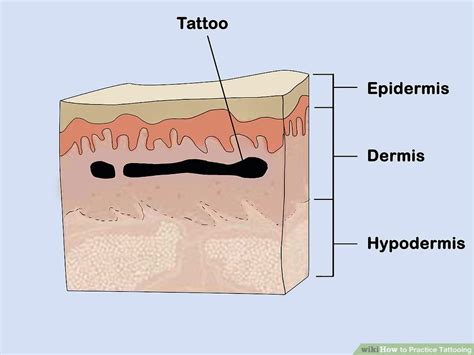
Decorative tattooing has been practiced for thousands of years, initially for embellishment and later as a sign of distinction or social rank in various cultures. With the increasing popularity of tattoos in contemporary society, a rise in tattoo-associated skin disorders is to be expected.
Immediate and Short-Term Reactions
An acute inflammatory reaction is a direct response to the piercing of the skin with needles impregnated with pigment dyes. This can manifest as transient redness and swelling of the tattooed area, typically disappearing within 2-3 weeks.
Infection is not common after tattooing but can occur if the procedure is not performed in a clean environment using sterile equipment. Reported skin infections emphasize the importance of proper hygiene. Causes for infection can include:
- Dirty tools: Non-sterile needles can transmit bacterial infections like staph and impetigo.
- Contaminated ink: Tattoo ink is not regulated by the FDA and may contain bacteria or other contaminants, even if the container is marked sterile.
- Non-sterile water: Tattoo artists sometimes dilute ink with water, which can contain microorganisms. Only newly opened bottles of sterile water should be used.
- Unsterile skin: Inadequate cleaning of the skin before tattooing increases infection risk.
Symptoms of infection can include redness, swelling, painful bumps (with or without pus), heat in the area, pain or tenderness, fever, chills, itchiness, and tender, swollen lymph nodes. Bacterial skin infections like staphylococcus are most common, but serious infections like MRSA are possible. In rare cases, dirty equipment can transmit viral infections like HIV or hepatitis. Before getting a tattoo, ensure you have current hepatitis and tetanus vaccines.
Allergic Reactions are among the most common side effects of tattoos. These reactions can be immediate or delayed, appearing days, months, or even years after the tattoo is done. They are often triggered by specific ink ingredients.
The two most common hypersensitivity reactions to tattoo pigments are allergic contact dermatitis and photoallergic dermatitis. These reactions typically present as an inflamed red rash, which may sometimes be scaly and flaky (exfoliative dermatitis). Red tattoo pigments, particularly those made from mercury sulfide (cinnabar), are most frequently implicated in reactions.
Symptoms of an allergic reaction can include:
- Redness and swelling
- Itching
- Small pimple-like bumps or blister-like bumps
- Raised, scaly patches
- Deep lumps beneath the skin
- Skin crusting or flaking
- Watery fluid leaking from the area
The Koebner phenomenon describes the appearance of new lesions of an existing skin disease within a cutaneous injury, which can also occur with tattoos.
Temporary tattoos, especially those using black dye containing paraphenylenediamine (PPD), can also cause allergic reactions. Symptoms include redness, swelling, intense itching, pain, tiny bumps, scaly raised skin, blisters that may leak, loss of skin color, and scarring. Some individuals may experience systemic issues like dizziness or stomachaches.
Long-Term and Specific Reactions
Granulomatous Reactions
The term granuloma refers to a specific type of inflammatory cell aggregation. A foreign body reaction to pigment can cause raised red bumps at the tattoo site, composed of epithelioid cells, lymphocytes, and giant cells. While most commonly associated with red pigments, green, blue, purple, and UV-visible tattoos have also been linked to granulomatous reactions. These reactions are less common than eczematous hypersensitivity reactions.
Lichen Planus-like Reactions
These reactions often result from a delayed hypersensitivity to tattoo pigment, an attempt by the body to degrade foreign material. Red pigment is the primary cause, but green and blue pigments have also been implicated. Signs and symptoms are similar to lichen planus, usually confined to the red parts of the tattoo.
Pseudolymphomas
Pseudolymphomas caused by tattoo pigment characteristically appear as plum to red-colored nodules and plaques.
Malignancies
In rare instances, squamous cell carcinoma, melanoma, and leiomyosarcoma have been described in tattoos, particularly those with red ink. Keratoacanthoma-like reactions have also been noted. While the exact cause is unknown, it is thought that tattoo inks may contain carcinogens. Researchers are particularly concerned about black ink, which may contain benzo(a)pyrene.
MRI Complications
Magnetic resonance imaging (MRI) can induce an electric current within tattoo ink containing iron oxide, which is sometimes found in permanent cosmetic inks. This can result in a minor burn at the tattooed site, characterized by painful redness and swelling. In rare cases, tattoos can cause swelling or burning during an MRI scan, or interfere with image quality. It is important to inform your doctor if you have a tattoo before undergoing an MRI.
Exacerbation of Skin Conditions
Getting a tattoo can trigger or flare up pre-existing skin conditions such as psoriasis or eczema. These conditions can appear in or around the tattoo, manifesting as itchy rashes, hives, or bumps. This is often an immune system response to the foreign matter in the ink. Tattoos can also trigger conditions like vitiligo, lichen planus, keloids, sarcoidosis, and even skin cancer.
Sun Allergy (Photodermatitis)
Some individuals may develop a sun allergy on their inked skin after getting a tattoo. This reaction can occur each time UV rays hit the tattoo. Symptoms include swelling and redness around the tattoo, an itchy rash of tiny bumps, blisters, or hives. Inks containing cadmium sulfide are most likely to react to sunlight. Black and blue inks can also be vulnerable due to nanoparticles that conduct light and heat, potentially causing a sunburn-like reaction.
Swollen Lymph Nodes
Tattoo dye can migrate to nearby lymph nodes, causing them to swell. This swelling is usually transient. However, persistent swelling should be evaluated by a doctor to rule out other health concerns, as it can be a sign of infection or other issues.
Tattoo and Its Effect on the Immune System
Tattoo Ink Composition and Regulation
The components of tattoo ink are complex and can change over time. There are currently no specific regulations for tattoo inks or color additives in many regions. These inks contain inorganic pigments, carbon black, and/or organic pigments from various chemical classes. Some agents used in tattoo inks include:
| Pigment | Potential Reactions |
|---|---|
| Mercury sulfide (cinnabar) | Red pigment reactions |
| Cadmium sulfide | Hypersensitivity reactions, especially with sunlight |
| Iron oxide | MRI complications (burning, swelling) |
| Paraphenylenediamine (PPD) | Allergic reactions (common in henna tattoos) |
The FDA does not regulate tattoo ink, highlighting the importance of choosing a reputable establishment.
Treatment and Management of Tattoo Reactions
Treatment for tattoo-related complications depends on the specific issue:
- Infections: May require antibiotics (oral or topical), or in severe cases, IV antibiotics or surgery to remove affected skin. Prompt treatment is crucial to prevent damage to the tattoo and health.
- Allergic Reactions: Can often be managed with steroid ointments. Over-the-counter (OTC) antihistamines (e.g., diphenhydramine) and topical ointments like hydrocortisone can help alleviate symptoms. Prescription-strength medications may be necessary for severe cases.
- Contact Dermatitis: Treatment involves avoiding known irritants. Cool compresses, anti-itch topicals (hydrocortisone, calamine lotion), and gentle moisturizers can provide relief. Colloidal oatmeal can soothe blisters and severe rashes. Short-term oral or topical steroids may be prescribed for severe symptoms.
- Pimples/Acne: Gentle cleansing with unscented soaps and warm water, avoiding tight clothing, and maintaining good hygiene are recommended. If symptoms persist, a doctor may prescribe antibiotics or other medications.
- Photodermatitis: Cold compresses, aloe vera, and antihistamines can help. Prescription medications may be needed for persistent symptoms.
- Exacerbated Skin Conditions: Treatment depends on the underlying condition and may involve topical creams, oral medications, or light/laser therapy.
- MRI Burns: Usually minor, but severe cases may require medical attention.
- Keloid Scarring: Pressure garments may help prevent formation. Consult a dermatologist for management.
Laser treatments, particularly Q-switched lasers, are commonly used for tattoo removal. Typically, 5 to 12 treatments are required at 6-8 week intervals. White and yellow pigments are generally the most difficult to remove.
Preventative Measures and Recommendations
To minimize the risk of adverse reactions:
- Research and Choose a Professional Parlor: Select a licensed tattoo artist with a good reputation.
- Inquire About Hygiene: Ensure the artist uses sterile equipment and follows proper safety protocols. Ask to see sterile packaging.
- Consider Skin Conditions: Consult a dermatologist before getting a tattoo if you have pre-existing skin conditions like eczema or psoriasis.
- Avoid Moles and Abnormalities: Do not get tattoos over moles, birthmarks, or other discolored areas, as this can hinder skin cancer detection.
- Follow Aftercare Instructions: Adhere strictly to the artist's instructions for cleaning and moisturizing your new tattoo.
- Protect from the Sun: Use sunscreen and wear protective clothing to prevent sun damage, which can fade tattoo colors and cause irritation, especially on new tattoos.
- Be Aware of Risks: Understand that despite precautions, unexpected reactions can occur.
- Seek Professional Help: If you notice any suspicious symptoms, contact your tattoo artist initially, but consult a dermatologist if problems persist for more than a week.
Many people get tattoos without issues. However, the safety of tattoo ink ingredients and long-term effects are still areas of ongoing research. Choosing a reputable artist and practicing good aftercare are the best ways to ensure a positive experience.