When selecting sunscreen, you'll often encounter bottles with SPF ratings ranging from 30 to 70. Understanding what SPF truly signifies is crucial for making an informed decision about sun protection. A common misconception is that the SPF number indicates the duration you can safely stay in the sun without burning (e.g., 30 minutes for SPF 30). This is inaccurate.
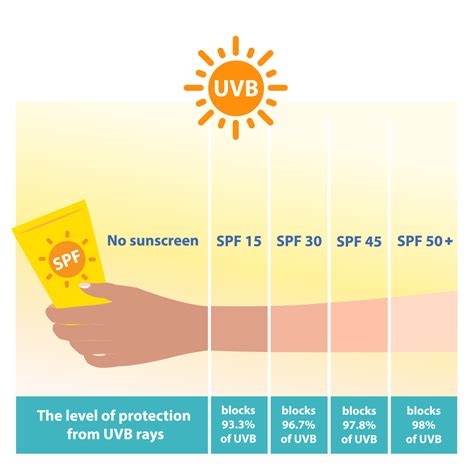
The SPF rating system is more complex and is based on the extent to which a sunscreen formula protects against the sun's harmful UVB rays over a specific period. For instance, a sunscreen with an SPF of 30 allows only 3 photons out of 100 to penetrate the skin, effectively shielding approximately 97% of the sun's harmful UVB rays over a two-hour period. This protection extends to SPF 50, which shields about 98% of UVB rays, and SPF 70, which protects around 98.5%.
Most experts agree that an SPF of 30, when applied correctly, provides adequate sun protection for most individuals. However, sunscreen misuse is common, making SPF 50 or 70 a beneficial "extra insurance" for times when proper application might be overlooked.
How Sunscreens Protect Your Skin
No sunscreen can block 100% of the sun's harmful rays, but they come close. The active ingredients in sunscreen, whether mineral or non-mineral, protect the skin in two primary ways: by reflecting or absorbing the sun's harmful rays. Mineral sunscreens function by reflecting or blocking UV rays, while non-mineral sunscreens absorb them.
Choosing the Right SPF for You
The ideal SPF for your needs often depends on your outdoor activities. For casual activities like walking or lounging in the sun, an SPF 30 applied correctly every two hours should be sufficient. Your face, being at the forefront of sun exposure, benefits from a more meticulous application routine and a higher SPF.
While an SPF 100 sunscreen offers more protection than an SPF 50, the difference in protection becomes marginal as the numbers increase. For example, SPF 50 protects against 98% of harmful rays. Since no sunscreen provides complete protection, wearing sunscreen does not necessarily prevent tanning. The rate and intensity of tanning while wearing sunscreen can vary significantly among individuals.
Incorporating SPF into your everyday skincare routine is highly recommended. As our understanding of the harmful effects of UV rays, even from short sun exposures, grows, daily SPF application is becoming increasingly common.
Understanding SPF Ratings and Protection Levels
SPF stands for "Sun Protection Factor," and it is the standard measure for how well a sunscreen protects against the sun's UVB rays. These are the rays primarily responsible for sunburn.
- SPF 15 blocks approximately 93% of UVB rays.
- SPF 30 blocks approximately 97% of UVB rays.
- SPF 50 blocks approximately 98% of UVB rays.
It's important to note that the difference in protection between higher SPF numbers, such as SPF 50 and SPF 100, is very small. For instance, SPF 100 sunscreen blocks only about 99% of UVB rays. The Skin Cancer Foundation suggests that very high SPF numbers might provide a false sense of security, potentially leading to less frequent application or longer sun exposure.
SPF and Time in the Sun: A Common Misconception
A popular misconception is that the SPF number directly correlates to how long you can stay in the sun without burning. For example, it's often thought that SPF 30 means you can stay in the sun 30 times longer than you could without sunscreen. This is not entirely accurate. While SPF is a relative measure of protection, it is not a direct indicator of time. Factors like skin type, sun intensity, geographic location, cloud cover, amount of sunscreen applied, and reapplication frequency all influence how much solar energy your skin absorbs.
Broad-Spectrum Protection
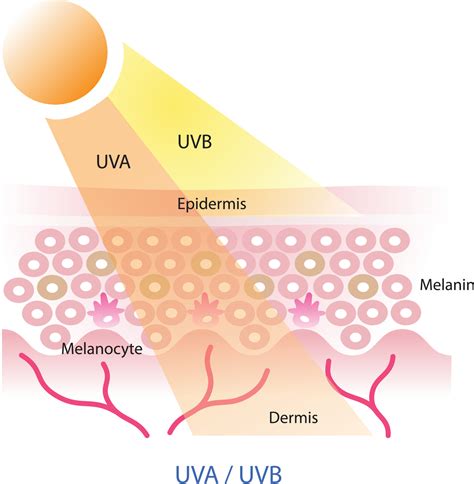
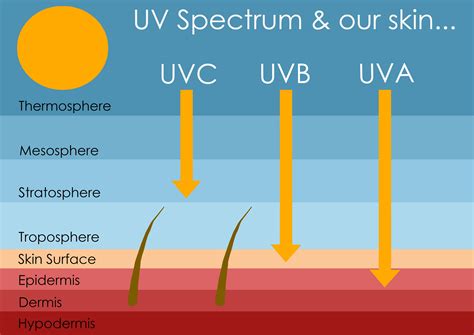
When choosing a sunscreen, it is essential to ensure it offers "broad-spectrum" protection, meaning it protects against both UVA and UVB rays. UVA rays are often referred to as "aging rays" due to their association with premature aging, fine lines, wrinkles, and discoloration. Both UVA and UVB rays can contribute to skin cancer.
Types of Sunscreens
There are two main types of sunscreen: physical (mineral) and chemical.
- Mineral sunscreens, containing ingredients like zinc oxide and titanium dioxide, sit on top of the skin and physically reflect UV rays. They are often recommended for sensitive skin types.
- Chemical sunscreens work by absorbing UV photons before they can damage the skin's DNA.
Neither type is inherently superior; they simply utilize different active ingredients. The best sunscreen for you is ultimately the one you will consistently use.
Proper Application and Reapplication
Even the most effective sunscreen will not work if not applied properly. Most adults require about one ounce of sunscreen (enough to fill a shot glass) to cover their entire body. For the face and neck, approximately ½ a teaspoon is recommended.
Sunscreen should be applied about 15 minutes before heading outdoors. It is crucial to reapply sunscreen every two hours, and even more frequently if swimming or sweating heavily, as water and sweat can reduce its effectiveness.
Key Reapplication Guidelines:
- Every 2 hours.
- After towel drying.
- After sweating.
- After swimming or water activities.
Some sunscreen products, like those resistant to water and sweat for up to 80 minutes, are specifically formulated for physical activities.
How to Apply Sunscreen the Right Way | Well+Good
Sunscreen for All Skin Tones
Everyone, regardless of skin tone, should wear sunscreen. People with darker skin tones need to protect their skin from harmful UV rays just as much as those with lighter complexions. Melanin, which gives skin its color, provides some natural protection but is not sufficient to prevent sun damage or skin cancer.
Additional Sun Protection Measures
In addition to sunscreen, other sun protection measures are vital:
- Seeking shade, especially during peak sun hours.
- Wearing protective clothing, including hats and sunglasses.
- Checking the expiration date of your sunscreen.
- Avoiding tanning beds.
The sun's rays can lead to skin cancer year-round, making consistent sun protection a year-round necessity.