Soothe, purify, and restore your skin with a powerful, plant-based formula designed to naturally combat fungal and yeast-related skin issues. Our Tea Tree Cream offers targeted relief for itching, redness, and discomfort caused by candida and other irritations, utilizing pure, organic botanicals.
This soothing cream is expertly blended with Tea Tree, Lemon Balm, and Oregano to purify, protect, and rebalance your skin. It works to deeply hydrate and calm inflammation, absorbing quickly to provide fast comfort and lasting results without a greasy feel.
Why You'll Love Tea Tree Cream
- Naturally targets fungus, yeast, and candida.
- Calms redness, itching, and irritation.
- Nourishes and restores the skin barrier.
- Clean, toxin-free, and gentle for daily use.
Key Ingredients and Their Benefits
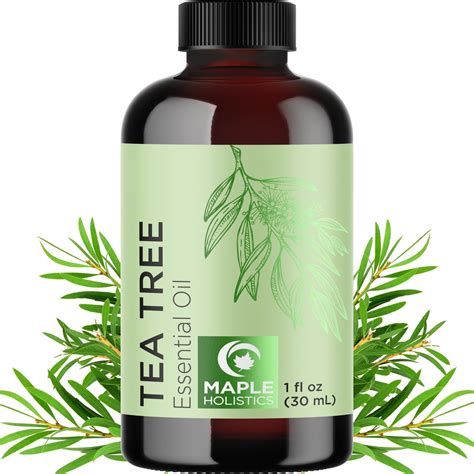
Tea Tree Essential Oil
A potent natural antibacterial and antifungal agent, Tea Tree Essential Oil is instrumental in fighting fungus, yeast, and acne-causing bacteria, thereby promoting clear and healthy skin.
Lemon Balm
Renowned for its soothing and anti-inflammatory properties, Lemon Balm helps to calm irritation, reduce redness, and restore comfort to sensitive skin.
Oregano Extract
Rich in antioxidants and natural antifungal compounds, Oregano Extract aids in protecting the skin from infection and supports the body's natural healing processes.
The formula is further enhanced with raw Shea Butter, Coconut Oil, and Lavender, which moisturize, soften, and protect the skin without clogging pores.
Understanding Tea Tree Oil: Origins and Traditional Use
Tea tree oil is derived from the leaves of the Melaleuca alternifolia tree, a small tree native to Australia. It's important to note that this is not the same plant used for black, green, or oolong teas. For centuries, the Aboriginal people of Australia have used tea tree oil as a traditional medicine to treat ailments like coughs and colds, and applied it directly to the skin for healing.
Tea tree oil is available in its 100% undiluted form, as well as diluted products ranging from 5% to 50% strength, specifically designed for topical application. The primary active compound, terpinen-4-ol, is believed to be responsible for its ability to destroy certain bacteria, viruses, and fungi.

Everyday Uses and Benefits of Tea Tree Oil
Natural Hand Sanitizer
Studies suggest that tea tree oil can effectively destroy common bacteria and viruses, making it a valuable component in natural hand sanitizers for disinfection without the use of antibiotics.
Insect Repellent
Tea tree oil has demonstrated lethality against larvae and adult house flies and can help deter ants from produce. While it can also repel mosquitoes, other essential oils like rosemary, lavender, eucalyptus, and citronella have shown to be more effective in some studies.
Natural Deodorant
The antibacterial properties of tea tree oil make it an excellent natural alternative for managing underarm odor, which is caused by bacteria interacting with sweat secretions.
Wound Care and Infection Prevention
Tea tree oil can treat and disinfect minor cuts and abrasions by targeting bacteria such as S. aureus. When applied to open wounds (after cleaning and mixing with a carrier oil like coconut oil), it can help prevent infection and potentially encourage healing by reducing inflammation and stimulating white blood cell activity. A small study indicated decreased healing times when tea tree oil was added to conventional wound treatment, though further research is needed.
To disinfect a cut or scrape:
- Clean the wound thoroughly with soap and water.
- Mix one drop of tea tree oil with one teaspoon of coconut oil.
- Apply a small amount to the injury and cover with a bandage.
- Repeat once or twice daily until a scab forms.
Acne Treatment
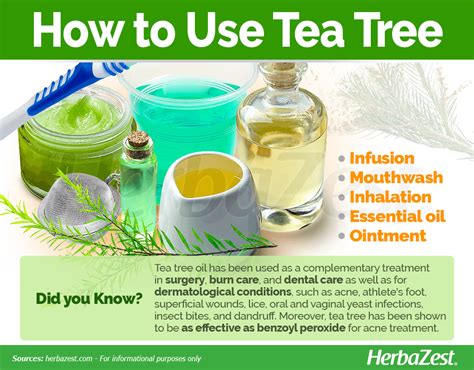
Research indicates that tea tree oil may help reduce, manage, and prevent certain types of acne, particularly acne vulgaris, due to its antibacterial effects on skin bacteria. Studies have shown it can reduce bacterial activity and even eradicate bacteria in laboratory settings. While some studies are promising, additional research with fewer variables is still recommended.
Tea tree oil-based acne gels are available commercially, or you can create your own by mixing one part tea tree oil with nine parts water and applying to affected areas with a cotton swab.
Fungal Nail Infections
Tea tree oil is a popular natural remedy for fungal nail infections. Studies suggest it can inhibit fungal growth and, when used alone or with other natural remedies, may offer an alternative to traditional medications with potentially fewer side effects. Some research indicates it may improve the effectiveness of conventional treatments for fungal skin infections.
To treat fungal nail infections:
- Apply a few drops of tea tree oil alone or mixed with an equal amount of a carrier oil like coconut oil to the affected area.
- Wash hands immediately after application to prevent spreading the fungus.
Oral Health
Tea tree oil may help combat germs that cause tooth decay and bad breath. A study found that a tea tree oil mouthwash effectively reduced gingivitis inflammation. However, it is crucial not to swallow tea tree oil, as it can be toxic.
To make a natural mouthwash:
- Add one drop of tea tree oil to a cup of warm water.
- Mix thoroughly and swish in your mouth for approximately 30 seconds.
All-Purpose Cleaner
Tea tree oil serves as an effective all-purpose cleaner that also sanitizes surfaces. It is effective against certain bacteria and fungi and may help disinfect against coronaviruses. It offers a chemical-free alternative for household cleaning.
Recipe for an all-natural cleaner:
- Combine 20 drops of tea tree oil, 3/4 cup water, and 1/2 cup apple cider vinegar in a spray bottle.
- Shake well until mixed.
- Spray directly onto surfaces and wipe clean. Shake before each use.
Relief for Inflamed Skin
Tea tree oil may help alleviate symptoms of skin irritation, such as contact dermatitis. An older study found tea tree oil significantly reduced symptoms of contact dermatitis compared to standard topical medications.
Recipe for inflamed skin relief:
- Combine 10 drops of tea tree oil with 1 tablespoon of extra virgin olive oil and 1 tablespoon of melted coconut oil.
- Mix well and store in a sealed container.
- Apply to the affected area up to twice daily until symptoms resolve.
Dandruff Reduction
Adding tea tree oil to shampoo may help reduce dandruff due to its antifungal properties and slightly acidic nature, which can help clear dead skin scales. Laboratory studies have shown effectiveness in reducing the growth of Candida albicans, a common contributor to dandruff. Further human studies are needed.
To use, add a few drops of tea tree oil to your regular shampoo when washing your hair.
Athlete's Foot Treatment
Known medically as tinea pedis, athlete's foot is a contagious fungal infection. Research suggests tea tree oil can be an effective alternative for relieving its symptoms, which include peeling, cracking, blistering, and skin discoloration.
Natural treatment for athlete's foot:
- Combine 1/4 cup arrowroot powder, 1/4 cup baking soda, and 20-25 drops of tea tree oil.
- Stir to combine and store in a covered container.
- Apply to clean, dry feet twice per day.
Mold Prevention on Produce
The antifungal compounds in tea tree oil, terpinen-4-ol and 1,8-cineole, may help reduce the growth of gray mold (Botrytis cinerea) on fruits and vegetables, particularly in warm, moist conditions.
To protect produce, add 5-10 drops of tea tree oil to water before rinsing and thoroughly drying your produce.
Lice Treatment
A small amount of research suggests tea tree oil could be beneficial for lice. It may help suffocate lice and is considered a likely effective treatment for head and body lice, especially those resistant to conventional treatments.
Safety and Precautions
While tea tree oil appears to be safe for topical use overall, there are important precautions to consider. Tea tree oil should never be ingested, as it can be toxic if swallowed. It should be stored out of reach of children.
Some individuals may experience side effects. It is recommended to perform a patch test by applying 1-2 drops to a small skin area and waiting 24 hours for any reaction before wider use. People with sensitive skin may experience irritation from undiluted tea tree oil. In such cases, it's best to dilute tea tree oil with an equal or greater amount of a carrier oil like olive oil, coconut oil, or almond oil.
Furthermore, using tea tree oil or other essential oils on pets may be unsafe.
tags: #tea #tree #antifungal #cream