Understanding Keratosis Pilaris
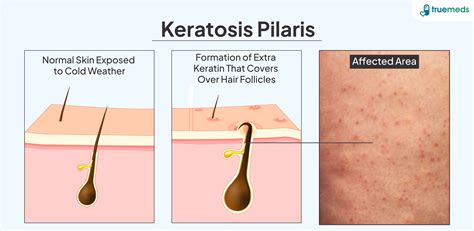
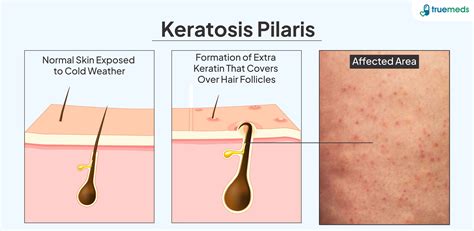
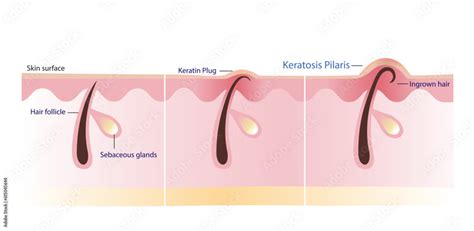
Keratosis pilaris (KP) is a common, long-term (chronic) skin condition characterized by the development of small, scaly bumps on the skin where hair follicles are located. These bumps are caused by an excess buildup of keratin, a protein that is a primary component of skin, hair, and nails. While KP is not harmful and often doesn't require treatment, the bumps can sometimes be bothersome and affect the skin's appearance. Fortunately, various treatments and lifestyle adjustments can help manage the symptoms and improve the look of the affected skin.
The characteristic bumps of keratosis pilaris are typically small (1 to 2 mm), numerous, and give the skin a rough or spiny texture. They most commonly appear on the outer sides of the upper arms and the tops of the thighs but can also be found on the face, cheeks, buttocks, and the sides of the torso. The bumps are usually flesh-colored but can appear red on lighter skin tones or darker on brown or black skin. Occasionally, the skin can feel itchy, and the condition may be more noticeable in cooler, drier months and improve during warmer seasons.
While the exact cause of keratosis pilaris is not fully understood, it is believed to be related to a genetic predisposition where the skin produces too much keratin, leading to plugged hair follicles. The condition often runs in families, suggesting a genetic component. It's important to note that KP can affect people of any age, often appearing during childhood or early adolescence and gradually improving in one's 20s and 30s. However, it typically never completely disappears and may require ongoing management.
When to Seek Treatment
Keratosis pilaris is generally not a harmful condition, and many individuals do not require treatment. The bumps may resolve on their own or become less noticeable by around age 30. Some people also observe that the bumps disappear during the summer and reappear in the winter. However, if the bumps cause concern or aesthetic dissatisfaction, various treatment options can help alleviate symptoms.
It is advisable to consult a healthcare provider or dermatologist if:
- Self-care measures are not helping your keratosis pilaris, and the condition is bothersome.
- Your skin becomes excessively itchy or inflamed.
- You are unsure about the diagnosis or the appropriate course of action.
A pharmacist can also offer recommendations for over-the-counter creams and lotions to help manage the condition.
Medical Treatments for Keratosis Pilaris
When keratosis pilaris symptoms are bothersome, a healthcare provider may recommend several treatment approaches, including prescription-strength moisturizers, medicated creams, and laser treatments. These can help improve the appearance of the bumps and associated discoloration.
Over-the-Counter Moisturizing Lotions
Dry skin can exacerbate keratosis pilaris. Consistent application of an over-the-counter moisturizer is crucial for keeping the skin hydrated, which can minimize and soften the bumps. It is recommended to apply moisturizer several times daily, particularly after showering while the skin is still damp. Lotions containing ammonium lactate and alpha hydroxyl acids, such as AmLactin® or CeraVe SA® cream, are particularly effective for rough, bumpy skin associated with keratosis pilaris.
Medicated Creams
For more persistent symptoms, prescription-strength moisturizers might be beneficial. These creams often contain ingredients like urea, alpha hydroxy acids, salicylic acid, and glycolic acid, which can improve the skin's texture and reduce the appearance of bumps. Additionally, medicated vitamin A creams, such as Retin-A® (tretinoin), can help decrease the buildup of keratin. However, it's important to use these creams cautiously and avoid overuse, as they can cause skin irritation.
Topical retinoids, such as tretinoin (Altreno, Avita, Renova, Retin-A) and tazarotene (Arazlo, Avage, Tazorac), work by promoting cell turnover and preventing hair follicles from becoming plugged. While regular use of these medicated creams can improve the skin's appearance, the condition may return if treatment is discontinued.
Laser Treatments
Laser treatments can be effective in improving the discoloration that sometimes accompanies keratosis pilaris. These procedures are performed by dermatologists.
Gentle Skin Care and Exfoliation
Adopting a gentle skincare routine and incorporating regular exfoliation can significantly help manage keratosis pilaris. These practices aim to remove dead skin cells and prevent the buildup of keratin that leads to the characteristic bumps.
Exfoliating Techniques
Gentle exfoliation is a cornerstone of managing keratosis pilaris. This can be achieved using a loofah, washcloth, or an exfoliating gel or scrub. When washing affected areas, use small, circular motions. It is crucial not to scrub too hard, as vigorous scrubbing can irritate the skin and worsen the condition. While physical exfoliation is helpful, topical exfoliant preparations, known as keratolytics, are generally recommended because excessive physical exfoliation can cause further irritation.
Gentle Cleansing and Bathing
Changing your bathing habits can also make a difference:
- Take shorter showers or baths, ideally 15 minutes or less.
- Use lukewarm water instead of hot water, as hot water can strip the skin of its natural oils.
- Opt for a mild, exfoliating soap or body wash.
- Avoid harsh, drying soaps.
Lifestyle and Home Remedies
While home remedies may not eliminate keratosis pilaris entirely, they can contribute to healthier-looking skin and minimize the appearance of bumps. It's always a good idea to check with a healthcare provider before trying new home remedies, especially if you have sensitive skin, to avoid potential allergic reactions.
Moisturizing and Hydration
Keeping the skin well-moisturized is paramount. Apply moisturizers containing ingredients like lanolin, petroleum jelly, or glycerin while the skin is still moist after bathing. Thicker moisturizers tend to be more effective. Using a humidifier in dry environments can also help hydrate the skin.
Internal hydration is equally important. Drinking an adequate amount of water and other fluids helps maintain overall skin hydration, which can minimize the appearance of keratosis pilaris.
Natural Exfoliants and Other Remedies
- Apple Cider Vinegar: Contains malic acid, an alpha hydroxy acid that naturally exfoliates. Dilute with an equal amount of water and apply with a cotton applicator to affected areas. Use cautiously on sensitive skin.
- Baking Soda: Acts as a natural exfoliant. Mix two teaspoons with a small amount of warm water to form a paste. Gently massage onto affected areas in small, circular motions for up to five minutes, then rinse off.
- Coconut Oil: Virgin coconut oil has moisturizing, anti-inflammatory, and antibacterial properties that can help reduce discoloration and inflammation.
Preventing Complications and Recurrence
To avoid potential complications such as scarring or infection, it is essential not to pick at, scratch, or attempt to pop the keratosis pilaris bumps. This can irritate the skin and worsen the condition.
It is important to remember that many of these treatments provide temporary relief, and consistent application is necessary to maintain improvements. For some individuals, treatment may not yield significant benefits. Fortunately, keratosis pilaris is a harmless condition that does not lead to long-term skin damage, even if it can be frustrating.
Keratosis pilaris is a chronic condition, and while symptoms often improve with age, they may return if treatment is stopped. Therefore, continuing treatments even after improvement is often recommended to prevent recurrence, with the exception of topical steroids like hydrocortisone.