Acne vulgaris is the medical term for common acne, characterized by the presence of blackheads, whiteheads, and other types of pimples on the skin. The most common areas for breakouts include the face, chest, shoulders, and back. While mild acne may respond to over-the-counter treatments, more severe forms typically require professional dermatological care.
The Basics of Acne Lesions
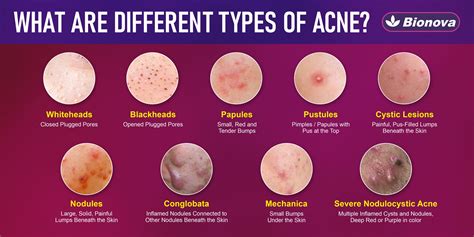
A comedo, or basic acne lesion, forms when a hair follicle becomes clogged with oil and dead skin cells. These comedones can develop into bumps known as whiteheads and blackheads. Products that have the potential to trigger comedones are referred to as "comedogenic." Conversely, makeup labeled "noncomedogenic" is less likely to clog pores and contribute to acne development.
Types of Comedones
Blackheads
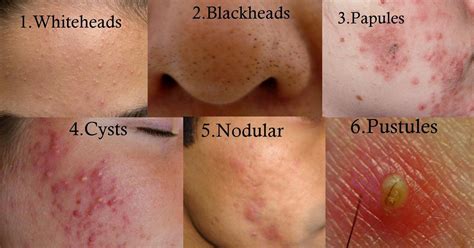
Blackheads are comedones that are open to the skin's surface, filled with excess oil and dead skin cells. The dark appearance is not due to dirt but rather the irregular reflection of light from the clogged hair follicles. Blackheads can often be managed with over-the-counter medications.
Whiteheads
Whiteheads are comedones that remain closed at the skin's surface, occurring when oil and skin cells prevent a clogged hair follicle from opening. Many over-the-counter medicines effective for blackheads also work well for whiteheads.
Inflammatory Acne Lesions
Papules
Papules are inflamed comedones that manifest as small, red or pink bumps on the skin, which may be sensitive to touch. Picking or squeezing papules can worsen inflammation and potentially lead to scarring. A significant number of papules can indicate moderate to severe acne.
Pustules
Pustules are another type of inflamed pimple, resembling a whitehead surrounded by a red ring. These bumps are typically filled with white or yellow pus. It is advisable to avoid picking or squeezing pustules to prevent scarring or the development of dark spots on the skin.
Nodules
Nodules are large, firm, and inflamed bumps that develop deep within the skin and are often painful. Due to their potential to cause scarring, nodules require treatment by a dermatologist. Over-the-counter treatments may not be potent enough, but prescription medications can be effective.
Cysts
Cysts are large, pus-filled lesions that resemble boils. Similar to nodules, cysts can be painful and pose a risk of scarring, necessitating dermatological treatment. Individuals who develop nodules and cysts are generally considered to have a more severe form of acne.
Classifying Acne Severity
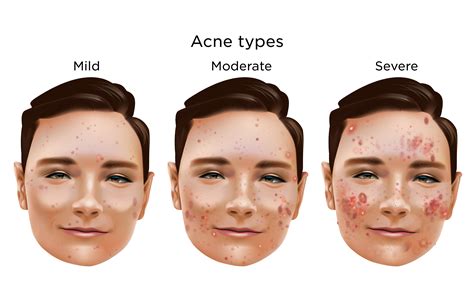
Acne can be categorized by its severity, guiding treatment approaches.
Mild Acne
Acne is classified as "mild" if it involves fewer than 20 whiteheads or blackheads, fewer than 15 inflamed bumps, or fewer than 30 total lesions. Mild acne is typically treated with over-the-counter topical medications, and significant improvement may take up to eight weeks to become apparent.
Moderate Acne
If you have 20 to 100 whiteheads or blackheads, 15 to 50 inflamed bumps, or 30 to 125 total lesions, your acne is considered moderate. Dermatologists usually recommend prescription medication for moderate to severe acne. It may take several weeks to notice an improvement, and your acne might appear to worsen before it gets better.
Severe Acne
Individuals with severe nodulocystic acne present with multiple inflamed cysts and nodules. The acne may appear deep red or purple and often results in scarring. Prompt dermatological treatment can minimize scarring. In some cases, corticosteroids may be injected directly into nodules and cysts to reduce size and inflammation.
Specific Types of Severe Acne
Acne Conglobata
Acne conglobata is one of the most severe forms of acne, characterized by numerous inflamed nodules connected beneath the skin. It can affect the neck, chest, arms, and buttocks, often leading to scarring. This type of acne is more common in men and can sometimes be linked to steroid or testosterone use. Timely dermatological treatment is crucial.
Acne Mechanica
Acne mechanica is triggered by heat, friction, and pressure against the skin, often due to sports gear like helmets or baseball caps. It is sometimes referred to as "sports-induced acne" due to its prevalence among athletes. Preventive measures include wearing absorbent material under sports equipment and showering immediately after physical activity.
Acne Treatment Modalities
Acne treatment varies based on age, acne type, and severity. Healthcare providers may suggest oral medications, topical treatments, or medicated therapies. The primary goals of acne treatment are to prevent new pimples from forming and to heal existing blemishes.
Topical Acne Medications
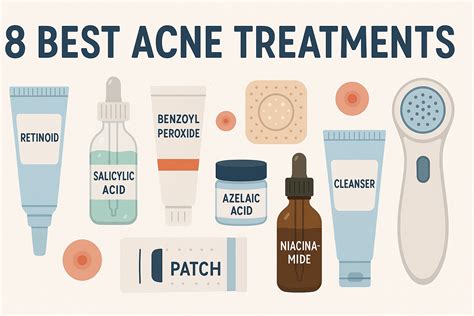
Topical acne medications are applied directly to the skin in forms like gels or creams. Over-the-counter options for mild acne may contain ingredients such as benzoyl peroxide, resorcinol, salicylic acid, or sulfur. Prescription products, including antimicrobial or retinoid creams, can treat mild to moderately severe acne, either alone or in combination with other ingredients.
- Benzoyl peroxide: Targets surface bacteria and is available in leave-on gels or washes.
- Salicylic acid: Helps remove the top layer of damaged skin and dissolves dead skin cells to prevent clogged follicles.
- Azelaic acid: Kills microorganisms on the skin and reduces swelling.
- Retinoids (vitamin A derivatives): Such as retinol, break up blackheads and whiteheads and help prevent clogged pores. They must be used on the entire affected area and may take months to show results.
- Topical antibiotics: Like clindamycin and erythromycin, control surface bacteria and are more effective when combined with benzoyl peroxide.
- Dapsone: A topical gel with antibacterial properties that treats inflamed acne.
Oral Acne Medications
Oral acne medications are taken by mouth and include:
- Antibiotics: Such as tetracycline, minocycline, and doxycycline, these treat acne caused by bacteria and are best for moderate to severe cases.
- Isotretinoin: An oral retinoid that shrinks oil glands. It is typically reserved for severe cystic acne or cases unresponsive to other treatments.
- Contraceptives: Certain birth control pills, approved for acne treatment, can help women by regulating hormones.
- Hormone therapy: Including birth control pills or spironolactone, can be beneficial for individuals with acne linked to hormonal fluctuations or excess androgens.
Additional Acne Therapies
For acne that does not respond well to topical or oral medications, or for acne scars, other therapies may be recommended:
- Steroids: Injections into large nodules can reduce inflammation in severe acne.
- Lasers and light therapy: Used to treat acne scars by stimulating new collagen growth.
- Chemical peels: Remove the top layer of old skin, promoting the growth of smoother new skin and potentially reducing the appearance of acne scars.
How Does Accutane Work?
Understanding Antibiotic Use in Acne Treatment
Antibiotics are medications designed to combat bacteria, which can contribute to clogged pores and acne. Some antibiotics also possess anti-inflammatory properties. They work by blocking bacteria from entering the body, destroying existing bacteria, and preventing their multiplication. A healthcare provider may prescribe antibiotics if acne is caused by bacteria or if an infection is present, such as in a popped pimple that becomes swollen and painful. However, antibiotics are not a cure for acne and should not be used long-term solely for acne treatment.
At-Home Acne Care Routine
An effective at-home skin care routine can help manage acne:
- Wash your skin at least once daily with warm water and a gentle cleanser.
- Wash your skin after exercising or sweating.
- Avoid skin care products containing alcohol, astringents, toners, and exfoliants, as these can irritate the skin.
- Remove makeup before going to bed.
- Apply an oil-free moisturizer after cleansing.
- Do not pop, pick, or squeeze acne lesions to prevent scarring and allow the skin to heal naturally.
If an at-home routine proves ineffective, consulting a healthcare provider is recommended.
Acne Treatment During Pregnancy
Many topical and oral acne treatments are not safe during pregnancy. It is crucial for individuals who are pregnant or planning to become pregnant to discuss acne treatment options with their healthcare provider and notify them of any pregnancy.
Timeline for Acne Clearance
On average, individual acne pimples may clear up within one to two weeks. A consistent skincare routine combined with medicated treatments can accelerate the healing process.
The Underlying Causes of Acne
Acne is a common skin condition that occurs when hair follicles beneath the skin become clogged. Sebum, the oil that keeps skin hydrated, and dead skin cells plug the pores, leading to outbreaks of lesions commonly known as pimples or zits. These outbreaks most frequently appear on the face but can also manifest on the back, chest, and shoulders.
Acne is an inflammatory disorder of the skin involving sebaceous (oil) glands connected to hair follicles, which contain fine hair. In healthy skin, sebum empties onto the skin surface through a pore, an opening in the follicle. Keratinocytes, a type of skin cell, line the follicle and normally rise to the surface as the body sheds skin cells. In individuals with acne, hair, sebum, and keratinocytes clump together inside the pore, preventing shedding and blocking sebum from reaching the surface. This mixture of oil and cells allows bacteria, which normally reside on the skin, to proliferate within the plugged follicles, triggering inflammation characterized by swelling, redness, heat, and pain.
tags: #types #of #acne #clearskinstudy