The Estée Lauder Resilience Multi Effect Tri Peptide Eye Creme is presented as a premier solution for revitalizing the delicate skin surrounding the eyes. This luxurious eye cream is meticulously formulated to address the visible signs of aging, aiming to diminish the appearance of fine lines and puffiness.
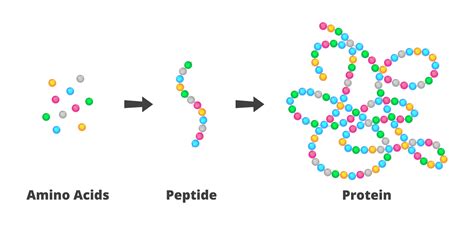
At its core, the cream features a unique blend of tri-peptides. These peptides are designed to fortify and support the skin's natural barrier, contributing to a firmer and more youthful-looking eye area.
Beyond its anti-aging capabilities, this eye cream is also intended to brighten and illuminate the eyes, fostering a more awake and refreshed appearance. Estée Lauder's dedication to product quality is highlighted as a key aspect, promising effective results with consistent application.
The product is noted to be eligible for free standard delivery, with estimated arrival times of 1-4 days after dispatch.
Key Ingredients and Their Functions
A detailed examination of the ingredients reveals a comprehensive approach to skin care:
Hydration and Emollience
- Water (Aqua/H2O): The most common skincare ingredient, purified and deionized in cosmetic formulations.
- Shea Butter: More than just an emollient, it regenerates, soothes, protects the skin from environmental factors like UV rays and wind, and is rich in antioxidants (Vitamins A, E, F, quercetin, epigallocatechin gallate).
- Glycerin: An extremely common multitasker that provides a soft feel to the skin (emollient), adds body to creams and lotions, and helps stabilize oil-water mixes (emulsions).
- Cetearyl Alcohol: A fatty alcohol (a mix of cetyl and stearyl alcohol) that acts as an emollient, thickener, and emulsifier, contributing to a smooth skin feel and helping to blend water and oil.
- Methyl Glucose Sesquistearate: A mild, corn-sugar derived, oil-loving emulsifier that aids in mixing oil and water, suitable for sensitive skin and eye-care formulations, providing a light, satiny finish.
Texture and Formulation Enhancers
- Butylene Glycol (BG): A versatile, colorless, syrupy liquid that acts as a solvent, penetration enhancer for faster absorption, slip agent for smooth application, and humectant to draw water into the skin. It is approved by Ecocert and is frequently used in natural products.
- Dimethicone: A common silicone that provides a silky smooth feel, subtle gloss, and forms a protective barrier. It can temporarily fill in fine lines and wrinkles for a plumper appearance. It's also used in scar treatments to soften and increase elasticity.
- Polyethylene: In its wax form, it thickens water-free formulas, increases hardness, and raises the melting point of emulsions and balms. Historically used as microbeads, it was banned in 2015 due to environmental concerns.
- Ceteareth-20: A mild emulsifier derived from sugar, effective in low concentrations for creating stable emulsions.
- Caprylyl Methicone: A clear, odorless, lightweight ester that improves spreadability and provides a silky skin feel, often used as a volatile silicone alternative.
Active and Beneficial Extracts
- Tri-Peptides (specifically Acetyl Hexapeptide-8, also known as Argireline): Marketed as a "Botox in a jar," this synthetic tripeptide targets wrinkle formation caused by facial muscle movement. Studies suggest it can decrease wrinkle depth, though not as dramatically as Botox. It is considered a "quick fix" for smoothing wrinkles rather than a collagen builder or preventative for structural aging.
- Watermelon Extract: Rich in vitamins (A, B, C, E), mineral salts (K, Mg, Ca, Fe), amino acids (citrulline, arginine), and antioxidants (lycopene). In-vitro and in-vivo studies suggest it offers significant DNA protection against UV damage.
- Lentil Extract: Often combined with watermelon and apple extracts as part of a complex called AquaCell, which claims to provide 24-hour hydration and reduce fine lines. Studies show it significantly increases key elements in the skin like citrulline and Sodium PCA.
- Apple Extract: Loaded with proteins, starch, sugars, acids, and vitamins, contributing to skin health.
- Knotgrass Extract (Polygonum Aviculare Extract): A flavonoid-rich plant extract claimed to protect the skin from both UV and Infrared damage, potentially by inhibiting collagen-destroying enzymes (MMPs).
- Chamomile Extract: Both German and Roman chamomile possess soothing properties, with German chamomile being richer in anti-inflammatory actives like chamazulene.
- Algae Extract: Can be derived from various species and functions as a humectant, emollient, and skin conditioner. Algae are known sources of antioxidants, anti-inflammatory agents, and polysaccharides. Some extracts are claimed to have retinoid-like effects or act as free radical scavengers.
- Linoleic Acid: An essential omega-6 fatty acid, it's the most abundant fatty acid in the epidermis and a precursor to ceramides, playing a crucial role in maintaining a healthy skin barrier. It can help improve barrier function, reduce acne, and lighten hyperpigmentation by inhibiting melanin production and enhancing melanin desquamation.
- Avocado Oil: Rich in oleic acid, it offers excellent skin penetration, nourishment, and moisturization. Its vitamin E content provides antioxidant properties.
- Cholesterol: One of the essential lipids found naturally in the outer layer of the skin, comprising about 25% of the intercellular lipids.
- Palmitoyl Tripeptide-1: A small synthetic peptide that manufacturers claim can boost hyaluronic acid synthesis, improve collagen fiber quality, and aid in firming and remodeling the skin. It's marketed as a "needle-free hyaluronan booster."
- Caffeine: A well-known stimulant with antioxidant properties that may help prevent UV-induced skin damage. It can improve microcirculation, although its effectiveness for reducing puffy eyes is debated in some studies. It's also studied for anti-cellulite effects and hair growth stimulation.
- Sucrose: A sugar substitute that helps the skin retain moisture when used in cosmetic products.