Triethanolamine salicylate is an organic compound that is formed between triethanolamine and salicylic acid. In this compound, triethanolamine serves to neutralize the acidity of salicylic acid, creating a more stable and effective topical analgesic. This external analgesic is specifically designed for the temporary relief of minor pain associated with conditions such as arthritis, simple backache, muscle strains, sprains, and bruises.

Mechanism of Action
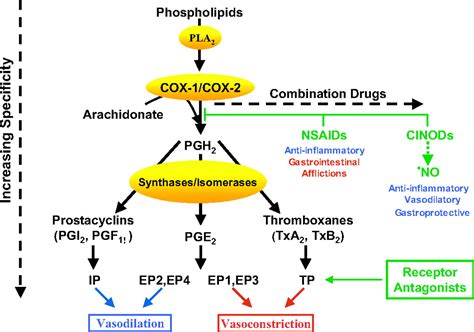
Triethanolamine salicylate functions as an external analgesic primarily by inhibiting cyclooxygenase (COX) enzymes. These enzymes are critical in the body's production of pro-inflammatory factors, including prostaglandins and thromboxanes. Prostaglandins play a significant role in generating pain and inflammation, particularly in conditions like arthritis, muscle strains, and sprains. While salicylates, such as aspirin, are well-known for their COX enzyme inhibition, the precise mechanism of triethanolamine salicylate in topical applications may exhibit subtle variations. It is generally understood to operate similarly to topical non-steroidal anti-inflammatory drugs (NSAIDs), effectively reducing inflammation and pain at the local application site.
This localized action is advantageous due to minimal systemic absorption. This reduced absorption is beneficial as it significantly lowers the risk of systemic side effects often associated with oral salicylates. Studies conducted on canines and humans have demonstrated that the transdermal absorption of salicylate from triethanolamine salicylate preparations applied to the skin is consistent and reproducible. Measurable tissue salicylate levels have been observed at the application site.
Metabolism and Excretion
Once absorbed, salicylate from triethanolamine salicylate undergoes metabolism in the body through several primary pathways:
- Conjugation with glycine: This process forms salicyluric acid, accounting for approximately 75% of the metabolites.
- Conjugation with glucuronic acid: This leads to the production of salicyl acyl and phenolic glucuronides, representing about 15% of the metabolites.
- Oxidation: A minor pathway involves oxidation to gentisic acid and other hydroxylated derivatives.
The amount of free, unmodified salicylate excreted can range from 10% to 30%, depending on factors such as dosage and individual characteristics like urinary pH. Triethanolamine salicylate is primarily excreted through the urine after undergoing these metabolic transformations.
Uses of Triethanolamine Salicylate
Triethanolamine salicylate is commonly used to provide relief from minor aches and pains affecting muscles and joints. Its primary indications include:
- Arthritis pain
- Simple backache
- Muscle strains
- Sprains
- Bruises
The specific uses can vary depending on the particular product formulation. It is important to note that while it is effective for these minor pains, it may also be used for other conditions as determined by a healthcare provider.

Dosage Forms and Administration
Triethanolamine salicylate is typically available in various topical formulations, including creams, lotions, gels, and sprays, often at a 10% concentration. When using triethanolamine salicylate:
- Follow the directions provided on the product packaging or by your healthcare provider.
- This medication is intended for external use only.
- Apply the medication to the affected area no more than 3 to 4 times a day.
- Rub in gently and thoroughly until absorbed.
- Wash hands thoroughly after application to avoid accidental contact with eyes or other sensitive areas.
The onset of action can vary among individuals, but effects are typically felt within 30 to 60 minutes after application.
Warnings and Precautions
While generally safe for topical use, certain precautions should be observed:
- Avoid contact with eyes.
- Do not apply to skin that is irritated, broken, or damaged, such as wounds.
- Application to broken or inflamed skin may result in higher blood concentrations due to increased absorption.
- Keep out of reach of children and pets.
- Do not bandage the area where the medication is applied or use a heating pad, as this can increase absorption and the risk of side effects.
- If your pain persists for more than seven days, worsens, or returns, discontinue use and consult your healthcare provider.
- Stop use if redness or irritation develops at the application site.
Pregnancy and Breastfeeding Considerations
Pregnancy Category B. It is not known if or how triethanolamine salicylate could affect pregnancy or harm a fetus. Taking NSAIDs at about 20 weeks of pregnancy or later may harm your unborn baby. If you need to take NSAIDs for more than 2 days when you are between 20 and 30 weeks of pregnancy, your healthcare provider may need to monitor the amount of fluid in your womb around your baby. It is not recommended for use in pregnancy from 20 weeks until delivery. If your doctor decides that you need to use this medication between 20 and 30 weeks of pregnancy, you should use the lowest effective dose for the shortest possible time. You should not use this medication after 30 weeks of pregnancy. It is also not known if triethanolamine salicylate passes into breast milk. Therefore, consult your healthcare provider if you are pregnant, planning to become pregnant, or breastfeeding before using this medication.
Allergic Reactions
Although rare, allergic reactions to triethanolamine salicylate may occur. Symptoms of a serious allergic reaction can include breathing problems, wheezing, racing heart, fever, general ill feeling, swollen lymph nodes, swelling of the face, lips, mouth, tongue, or throat, trouble swallowing, throat tightness, itching, skin rash, hives, nausea or vomiting, dizziness, feeling lightheaded, or fainting, and stomach cramps. If you experience any of these symptoms, stop using the medication and seek immediate medical attention.
Overdose and Toxicity
While systemic toxicity is unlikely with proper topical use, accidental ingestion or excessive application may lead to salicylate toxicity. Symptoms of overdose can include nausea and vomiting, tinnitus (ringing in the ears), dizziness, confusion, rapid breathing (hyperventilation), sweating, headache, and fever. In severe cases, overdose may lead to more serious symptoms such as seizures, hallucinations, respiratory distress, kidney failure, and metabolic acidosis. If an overdose is suspected, discontinue use immediately and seek medical attention. Treatment is typically supportive and symptomatic.
Drug Interactions
Triethanolamine salicylate may interact with other medications. It is crucial to inform your healthcare provider about all prescription and over-the-counter medications, vitamins, herbal products, and other supplements you are currently using. Specific interactions to be aware of include:
- Other salicylates: Concurrent use with other salicylates, such as aspirin or diflunisal, may increase the risk of side effects.
- Other topical pain relievers: Avoid using other topical pain medications on the same area without consulting your healthcare provider.
- Anticoagulants: Use with caution if you are taking blood thinners, as this may increase the risk of bleeding.
There are no known interactions between triethanolamine salicylate and foods or drinks. It is unknown if drinking alcohol will affect triethanolamine salicylate.
Storage
Store triethanolamine salicylate at room temperature, typically between 20° to 25°C (68° to 77°F). Keep it away from excessive heat and direct sunlight. Ensure the container is tightly closed when not in use. Follow the specific storage instructions provided on the product label.
Hand-washing Steps Using the WHO Technique
tags: #what #is #triethanolamine #salicylate