Vaseline, a well-known brand name for petroleum jelly, is a widely available and affordable skincare product found in most drugstores. This versatile product, often referred to as 'Wonder Jelly', offers a multitude of benefits and uses, primarily revolving around its exceptional moisturizing properties.
Understanding Vaseline: Composition and Mechanism
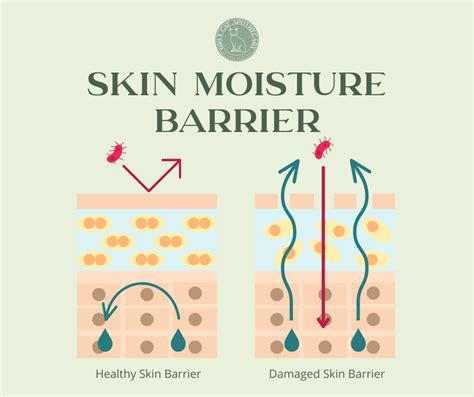
Vaseline is a whitish-yellow mixture composed of petroleum-based mineral oils and waxes. Its main ingredient is petroleum, which forms a tight, waterproof barrier when applied to the skin. This barrier is crucial for retaining the skin's natural moisture.
According to researchers, petroleum jelly is one of the most effective moisturizers available. It functions by sitting on top of the skin, creating a barrier that prevents water from leaving, a process known as transepidermal water loss (TEWL). This occlusive property makes it highly effective for hydrating dry skin. For optimal results, it is recommended to apply occlusives like Vaseline to damp skin.
Key Benefits of Using Vaseline
Intense Moisturization
Vaseline can help moisturize your skin by forming a tight waterproof barrier to retain its moisture. It is an effective moisturizer for very dry skin, acting as an at-home treatment. For individuals with normal skin, Vaseline can be beneficial in adding moisture to commonly dry areas such as elbows and knees.
Skin Protection
The physical barrier created by Vaseline not only seals in moisture but also protects the skin against harsh elements and environmental pollutants that can cause damage. This protective quality is particularly useful in safeguarding sensitive skin from conditions like strong winds and cold weather.
Assisting Wound Healing
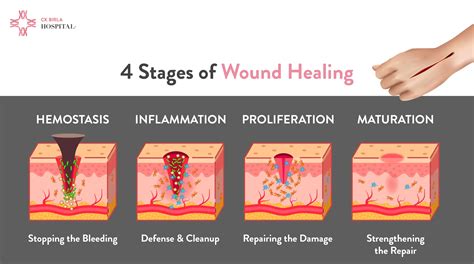
Vaseline can be applied to small cuts, scrapes, and scratches to help keep wounds moist, speed up healing, and prevent scarring and itching. By preventing wound dryness and scabbing, it aids in the natural healing process. It is recommended to clean the wound daily with mild soap and warm water before applying Vaseline. However, Vaseline should not be applied to deep wounds or burns, as this can cause discomfort and interfere with healing.
Soothing Dry Skin Conditions
The National Eczema Foundation recommends Vaseline as a moisturizer for individuals with eczema and other dry skin conditions. Research suggests it is a safe and affordable at-home preventive treatment for infants showing signs of eczema. It is also effective in alleviating itching associated with conditions like atopic dermatitis by reducing skin dryness and flakiness.
Rejuvenating Dull Skin
Vaseline rejuvenates dry, tired skin, helping it maintain a youthful and radiant appearance. The jelly creates a sealing barrier that locks in moisture and supports the skin’s natural recovery process, allowing dry, damaged cells to flake off. It can even be used on sensitive areas like around the eyes to reduce the appearance of fine lines and dry, flaky skin over time.
Diaper Rash Protection
Vaseline Baby, being triple-purified, hypoallergenic, and non-irritating, is suitable for babies' delicate skin. It provides protection against diaper wetness by forming a continuous film, locking in moisture, and helping to soothe irritation and prevent rash.
Versatile Formulations and Everyday Use
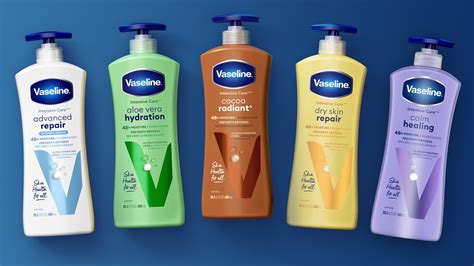
While the classic petroleum jelly is highly effective, it can be quite greasy and heavy, potentially staining clothing. Recognizing this, the Vaseline brand also offers lotions, creams, oils, and serums that contain smaller amounts of petroleum jelly. These products are less messy and feel lighter on the skin, making them more suitable for everyday use for many people.
Tips for Everyday Moisturizing
If you choose to use Vaseline jelly as an everyday moisturizer:
- Apply it to your body and allow it to absorb for a few minutes before dressing.
- Wipe off any excess with a soft paper towel before dressing to avoid a greasy feel and staining clothes.
Specific Uses for Different Skin Types
For Very Dry Skin
Those with very dry skin on their faces may benefit from using Vaseline as a moisturizer. It is excellent for treating common dry areas such as heels, elbows, knees, and hands.
For Oily Skin
Vaseline can be incorporated into a regular skincare routine for individuals with oily skin. By using Vaseline after gently cleansing the skin, it helps keep the skin clean and moisturized, potentially reducing excess oil production. However, it is important to note that if you have very oily skin, it is recommended not to use Vaseline unless you cleanse your skin first, as it may increase acne.
For Acne-Prone Skin
Individuals with acne-prone skin should avoid applying Vaseline to their faces, as it may trigger breakouts and worsen acne. While petroleum jelly has a comedogenic rating of 0 in some tests, studies suggest mineral oil/petroleum can lead to the growth of M. Furfur, a type of yeast, which is relevant for fungal acne. Fungal acne is distinct from comedogenic acne.
Vaseline Beyond Skincare: Unexpected Uses
Vaseline Petroleum Jelly, made from 100 percent triple-purified petroleum jelly, has a remarkable range of uses beyond basic skincare:
Beauty and Personal Care
- Makeup Removal: Can be used to gently remove makeup.
- Eyebrow and Nail Care: Helps shape eyebrows and softens cuticles when applied around the nails before manicures.
- Hair Dye Stains: Apply along the hairline, over ears, and on the neck to prevent stubborn dye stains.
- Softer Heels: Cover feet in Vaseline Petroleum Jelly and wear socks overnight.
- Chafing Protection: Rub on areas prone to chafing during workouts or runs, such as thighs, upper arms, or nipples.
- Piercing Care: Can help care for piercings.
- Hair Gloss and Scalp Health: Rub a small amount through roots before shampooing for glossier hair and a healthy scalp.
- Facial Hair Styling: Softens and styles facial hair.
- Razor Blade Protection: Apply a thin layer to razor blades between uses to prevent rust and keep them like new (ensure blades are dry first).
- Gum Removal from Hair: Coat gum and surrounding hair with Vaseline and gently tug to remove.
- DIY Makeup: Create emergency makeup by adding a bit of food coloring to petroleum jelly for blush, lipstick, or eyeshadow.
- Creamy Cosmetics: Transform matte or powder products into creams.
- Highlighter: Can be used as a highlighter on the cheeks.
101 uses of Vaseline Petroleum Jelly
Home and DIY
- Squeaky Door Hinges: Apply a dab to door hinges to silence squeaks.
- Frozen Locks: Can help with frozen locks.
- Waterproof Earplugs: Coat cotton balls with petroleum jelly and mold them to fit ears to prevent water entry while swimming.
- Fire Starter: Coat cotton balls with Vaseline; they light easily and can be used to start fires.
- Glue and Adhesive Preservation: Smooth a dab under the cap and around the rim of glue or adhesive containers to prevent drying out.
Understanding Moisturizer Types: Occlusives, Emollients, and Humectants
Moisturizers generally fall into three categories:
- Occlusives: These create a barrier on the skin to prevent water loss. Petroleum jelly is a prime example. Other occlusives include lanolin and mineral oil, though they may have a higher tendency to cause allergic reactions.
- Emollients: These are oils and high-fat compounds that soften and smooth the skin. Examples include plant oils (grapeseed, sesame seed, jojoba), nut butters (cocoa butter, shea butter), and squalene.
- Humectants: These attract water molecules, drawing moisture into the skin. Common humectants include glycerin and hyaluronic acid.
Skin care products often combine these types to enhance their moisturizing capabilities.
Potential Risks and Considerations
While Vaseline is generally safe and effective, there are some potential drawbacks and considerations:
- Odor: Some users may find the inherent odor noticeable, though more diluted Vaseline products often contain added scents.
- Greasy Feel: It can leave a greasy and heavy feel on the skin.
- Staining Clothes: Potential to stain clothing.
- Acne: May increase breakouts in individuals with oily or acne-prone skin if not properly cleansed beforehand.
- Preference for Plant-Based Products: Some individuals may prefer plant-based alternatives over petroleum ingredients.
- Skin Irritation: Although rare, allergic reactions can occur. Symptoms include skin redness, soreness, itching, swelling, or inflammation. If these occur, discontinue use.
- Fungal Acne: Petrolatum may not be safe for fungal acne, as studies suggest mineral oil/petroleum can promote the growth of a yeast type that contributes to it.

Application Tips
For optimal results, apply Vaseline to slightly damp skin, ideally after showering or washing your face. Wash your hands thoroughly before application to prevent introducing bacteria. Apply a thin layer to dry areas, avoiding mucous membranes like the eyes.
Vaseline can be used alone or in combination with other moisturizers and skin care products to seal in active ingredients and enhance their effectiveness.