Many consumers searching for "expensive face cream brands" are looking for more than just a list of products. They want to understand which brands dominate the market, what justifies their high prices, and how "expensive" translates into formulation philosophy, textures, and long-term performance. This guide delves into the world of high-priced face creams from both a brand owner and procurement perspective. Instead of offering consumer reviews, it breaks down the construction of these creams: their formula structures, packaging choices, and cost architecture. The objective is to equip you with the knowledge to use these established brands as benchmarks when developing your own premium or luxury face cream line.
What Defines an "Expensive Face Cream Brand"?
In today's market, an "expensive" face cream brand is not solely defined by its high retail price. It is characterized by its consistent ability to translate that price into perceived and tangible value across five critical dimensions:
The Complete Framework for Defining an "Expensive Face Cream Brand"
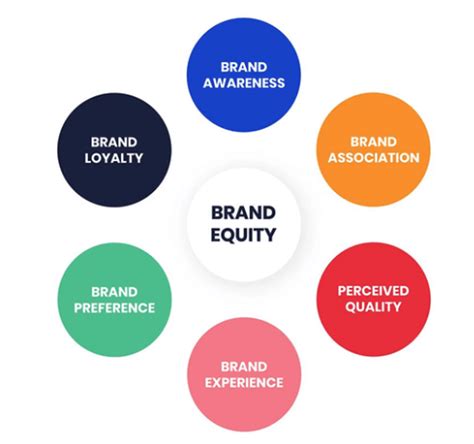
- Brand Equity and Story: This includes heritage narratives (e.g., couture houses, spa traditions, medical or scientific origins), a clear and recognizable design language (distinctive jars, colors, fonts, and rituals), and consistency across product collections that evolve without losing their core identity.
- Formula Engineering and Active Levels: This dimension focuses on the use of complex base systems, multi-layer emulsions, encapsulation or advanced delivery technologies, significant concentrations of peptides, retinoids, growth-factor mimetics, and potent antioxidants, as well as intensive work on stability, compatibility, and long-term tolerance with high active loads.
- Texture and Usage Experience: This involves precisely tuned viscosity, slip, playtime, and after-feel tailored for different climates and skin types. It also encompasses controlled fragrance profiles, ranging from nearly fragrance-free to refined fine-fragrance accords, and clearly defined application rituals, including how the cream is layered with serums and incorporated into a routine.
- Packaging, Presentation, and Service Ecosystem: This includes the use of heavy glass or engineered airless packaging, custom caps, metal details, and engraving. It also covers travel formats, discovery kits, exclusive sets for department stores or spas, and accompanying services like in-store consultations, spa menus, loyalty programs, and refill options.
- Performance and Stability Over Time: This refers to measurable improvements in firmness, wrinkles, tone, and comfort, often supported by instrumental tests. It also includes batch consistency in color, smell, and texture throughout shipping and storage, and products that generate positive word-of-mouth and repeat purchases beyond initial hype.
When viewed through this comprehensive lens, truly "expensive" brands are those that maintain high prices over years due to engineering discipline and predictable performance, rather than relying solely on a single marketing campaign or celebrity endorsement. For new brands, this distinction is crucial, highlighting that investment in formulation and delivery systems is as vital as investment in storytelling.
What Types of Expensive Face Cream Brands Exist?
Expensive face cream brands are not monolithic; they are built on diverse models. For product developers and buyers, it is beneficial to categorize them into three broad tiers, each with distinct price structures, proof expectations, and channel behaviors.
Tiered Categories of Expensive Face Cream Brands
| Brand | Category | Price Range (USD) | Formula/Packaging Focus | Key Claims/Positioning | Target Consumer |
|---|---|---|---|---|---|
| Barbara Sturm | Quiet Luxury | 200-360 | Soothing actives + clean aesthetics; moderate packaging cost | Anti-inflammatory focus, calming luxury, spa positioning | Sensitive, redness-prone but affluent users |
| 111SKIN | High-end Clinical | 200-350 | Potent actives + spa/clinic margins + premium packaging | Space/clinic narrative, intensive repair claims | Aesthetic-clinic clients, beauty specialty shoppers |
| Tatcha | Premium | 80-180 | Balanced formula cost + strong packaging/story | Japanese ritual, textures, gentle brightening | Design-conscious users, gifting buyers, younger luxury entrants |
| Drunk Elephant | Premium "Clean" | 70-150 | Actives + barrier lipids; simple packs; high brand margin | Label transparency, barrier focus, fragrance-free | Ingredient-literate, "clean"-focused, online/DTC consumers |
| Allies of Skin | Premium Science | 90-190 | High active load + clinical positioning; minimalist packaging | High-load formulas, multi-tasking creams, time-saving | Urban, busy users, advanced-skincare fans, DTC/online shoppers |
What Formula Patterns Do Expensive Face Cream Brands Share?
When the branding and packaging are stripped away, expensive face cream brands exhibit surprisingly similar formula architectures. Understanding these patterns can help you brief an OEM/ODM partner more precisely and avoid redundant development efforts.
Anti-Aging and Firming Architectures
Across luxury, science-driven, and modern niche brands, high-priced creams often employ layered anti-aging stacks rather than relying on single "hero" ingredients. These commonly include:
- Peptide complexes: Signal peptides targeting collagen synthesis, elasticity, and matrix support, alongside carrier or copper peptides that aid in repair and resilience.
- Retinoid systems: Ranging from retinol and retinal to milder esters and encapsulated forms, frequently combined with soothing lipids and anti-irritant complexes.
- Growth-factor-inspired and cell-signalling technologies: Proprietary complexes or biomimetic actives designed to influence skin renewal, density, and recovery.
- Anti-glycation and cross-linking defense: Actives aimed at protecting collagen and elastin from sugar-derived damage, often used in conjunction with antioxidants.
The principle here is not merely increasing the quantity of actives, but designing a compatible stack that can be stabilized within a cream base, remains comfortable on the skin, and delivers results over months of consistent daily use.
Brightening and Antioxidant Systems
Most expensive face creams integrate tone refinement and radiance into their anti-aging promises. Typical approaches involve:
- Vitamin C ecosystems: Utilization of L-ascorbic acid or stable derivatives (e.g., ascorbyl glucoside, MAP, SAP) blended with antioxidants and pH-controlled systems. These are often found in lighter cream or gel-cream formats or paired with richer night textures.
- Niacinamide and co-actives: Niacinamide serves as a central ingredient for evening skin tone, supporting the skin barrier, and modulating sebum production, frequently combined with vitamin C derivatives, gentle exfoliants, or botanicals.
- Antioxidant combinations: Vitamin E, ferulic acid, plant polyphenols, coenzyme Q10, and others are incorporated into multi-point protection systems to combat oxidation and environmental stress.
- Soft-focus and optical elements: Light-diffusing powders and pigments that instantly enhance perceived tone and smoothness, complementing the long-term brightening narrative.
A key takeaway for brand builders is that radiance and anti-aging are rarely treated as separate concerns in the premium market. Premium creams typically incorporate tone-evening and antioxidant strategies into their core formula design.
Barrier Support and Texture Engineering
A significant commonality among expensive creams is the dedicated attention paid to the skin barrier and sensory design. High prices are more easily justified when the cream provides an exceptional experience with every application. Common patterns include:
- Ceramide-cholesterol-fatty acid structures: The use of ceramides (often multiple types), cholesterol, and fatty acids in ratios that mimic the skin's natural lipid matrix, sometimes delivered via lamellar or multi-layer emulsion technologies to bolster barrier integrity.
- High-quality emollients and oils: Blends of plant oils, esters, butters, and silicones are carefully tuned to create specific after-feels, ranging from a "weightless velvet" to a "cushioned balm." A clear distinction is often made between day creams designed for makeup compatibility and night creams optimized for comforting, occlusive wear.
- Film formers and water-loss control: Subtle film-forming polymers or wax structures are used to reduce transepidermal water loss without creating a suffocating sensation.
- Fragrance and sensorial design: This involves either carefully composed fine-fragrance-style accords or sophisticated fragrance-free designs where base odors are minimized. In both instances, the goal is predictable daily pleasure with a low risk of irritation.
These barrier and texture choices contribute to the "expensive" feeling long before visible anti-aging results emerge. For many customers, this consistent daily sensory experience is the primary driver for repeat purchases.
How Brands Can Translate These Patterns into Their Own Development
For new or growing brands, the practical implication is not to replicate individual formulas but to adopt the underlying structural logic. This involves:
- Building cream bases around clear functional pillars: Focus on anti-aging and firming, brightening and antioxidant protection, and barrier repair and sensorial excellence.
- Utilizing an OEM/ODM partner’s mature base libraries as starting points: For example, select a proven anti-aging cream base and then enhance the active stack (incorporating more advanced peptides or higher-tier antioxidants) for your hero SKU. Consider designing a complementary brightening or barrier-focused variant for a slightly lower price tier.
- Matching active intensity and texture to the target channel and audience: Employ stronger retinoid and peptide stacks for clinic or derm-focused channels. Opt for exceptionally elegant textures and refined fragrance design for luxury retail and travel sets. Offer balanced, barrier-friendly systems for ingredient-savvy online consumers.
In essence, successful expensive brands tend to use repeatable formula architectures with variations in actives, textures, and packaging, rather than creating one-off, unstructured mixtures. By collaborating with a partner who already possesses tested base systems, brands can strategically allocate their investment towards upgrading key actives, refining textures, and planning for efficacy proof, rather than expending their entire budget on reinventing the emulsion from scratch.
How Do Expensive Face Cream Brands Use Packaging and Formats?
In premium and luxury face creams, packaging is an integral part of the formulation. The perceived value of the same emulsion can shift from mid-range to ultra-luxury based on the container, tactile elements, and overall presentation. For new brands, it's essential to understand which packaging cues genuinely enhance perceived value without merely inflating costs.
Jars vs. Airless Pumps vs. Ampoules vs. Sets
- Classic Jars: Heavy glass jars with metal-look caps remain a strong signifier of luxury in face creams, emphasizing rich textures, nighttime rituals, and vanity-table presence. However, they carry downsides such as exposure to air and fingers, increased shipping weight, and a higher risk of breakage.
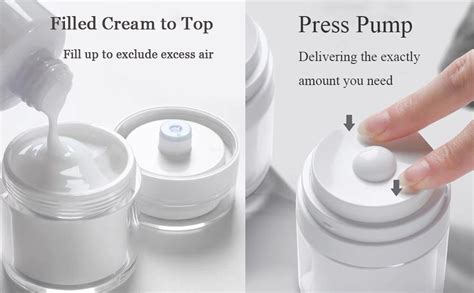
- Airless Pumps and Bottles: These signal technology, hygiene, and ingredient stability, particularly for sensitive ingredients like retinoids and vitamin C. They are well-suited for science-driven and derm-positioned brands, as well as for day creams intended for use under makeup. While tooling can be more complex, many OEM libraries now offer standard airless packs with luxury finishes.
- Ampoules, Capsules, and Dose-Controlled Formats: These reinforce a "clinic" or "treatment" narrative and justify a higher price per milliliter. They are effective for highly active or seasonal treatments where freshness and precision are key messages. However, they come with higher packaging costs and require compatible filling lines, making them unsuitable for every project.
- Kits and Sets: Many expensive brands sell creams as part of regimen sets (e.g., cleanser + serum + cream + eye cream). These sets are particularly effective in department stores, travel retail, and online environments where basket value and storytelling are as important as the individual product. For OEM/ODM projects, a strategic approach is to match the format to the channel and price tier, rather than assuming every premium product requires a heavy jar.
Weight and Visual Cues
Certain visual elements are strongly associated with expensive face cream brands:
- Thick-walled glass or glass-like acrylic with optical clarity and perceived weight.
- Metallic accents on caps, collars, or inner lids, such as brushed gold, champagne, or gunmetal finishes, sometimes featuring engraved or embossed logos.
- Refined curvature and proportions, avoiding overly generic shapes or visibly thin material.
- Clean label design with a clear hierarchy of information: brand, range, function, and texture should all be legible at a glance.
It's important to note that weight and complexity increase costs at every stage, from production and transport to handling and display. A skilled OEM partner can help identify existing molds within their library that convey a similar impression at a significantly lower cost than full custom tooling.
Gift Boxes and In-Store Presentation
For many high-end creams, the outer packaging receives as much design attention as the jar itself. This often includes:
- Rigid boxes, drawers, or book-style cartons that open in a controlled, ritualistic manner.
- Foam or molded pulp inserts to secure the jar, sometimes accompanied by spatulas and informational booklets.
- Limited-edition gift sets with secondary decorative elements like foils, embossing, or special papers.
These elements enhance giftability and collector appeal, particularly during peak gifting seasons. They also support higher price points when combined with compelling brand storytelling and service offerings. However, not every SKU necessitates complex packaging. A common strategy involves investing more heavily in hero SKUs and seasonal sets, while using simpler cartons for refill jars, clinic back-bar formats, or online-only items.
Using an OEM Packaging Library for "High-Value at Reasonable Cost"
Instead of embarking on a fully bespoke design process, many brands successfully:
- Select existing premium jars, airless packs, and boxes from the OEM’s catalog.
- Customize decoration, color, label art, and accessories to establish a recognizable brand identity.
- Reserve full custom tooling for a later stage, once sales volumes justify the investment.
This approach allows brands to enter the expensive face cream market with credible packaging while maintaining control over tooling costs, minimum order quantities (MOQs), and timelines, which is particularly crucial for new lines and test launches.
What is the Cost Architecture Behind Expensive Face Creams?
Behind every expensive face cream lies a cost architecture designed to support both the brand image and the economic viability across different sales channels. Understanding this structure is key to setting realistic price corridors and avoiding over-investment in non-essential components.
1. Formula Cost: Base Systems and Actives
- Base System: This encompasses the emulsion type, emulsifiers, stabilizers, humectants, and basic emollients. A well-engineered base, while potentially modest in per-kilogram cost, requires significant research and development time.
- Active Stack: This includes peptides, retinoids, advanced antioxidants, ferment extracts, botanical complexes, ceramides, and other premium ingredients. The cost of actives can vary dramatically, from very low to several multiples of the base cost, depending on their concentration and the chosen suppliers. In many luxury creams, actives and specialized ingredients constitute a substantial portion of the formula cost, especially when multiple premium raw materials are combined.
2. Texture and Fragrance Refinement
- Texture Engineering: Achieving the desired playtime, slip, and after-feel often requires multiple iterations, stability runs, and consumer panel tests. This developmental work may not be reflected in the raw material cost per kilogram but contributes significantly to development time and sampling rounds.
- Fragrance Development: Bespoke fine-fragrance accords or sophisticated low-allergen profiles add to the cost of essences and may necessitate additional compatibility and stability testing. These refinements are part of the "invisible budget" that elevates a technically sound cream into a memorable product that encourages repeat purchases.
3. Packaging, Accessories, and Out-of-Box Experience
- Primary Packaging: This includes jars, airless pumps, inner lids, spatulas, labels, pumps, and liners. Choices like double-walled glass, metal trims, and custom tooling increase unit prices and MOQs.
- Secondary Packaging: This covers cartons, rigid boxes, trays, leaflets, and protective inserts. Special finishes such as foil stamping, embossing, or varnishes add to the cost but also significantly enhance perceived value.
For many expensive brands, the overall cost architecture reflects a strategic allocation of resources across these areas to deliver a holistic luxury experience. This often involves higher concentrations of efficacious ingredients, sophisticated delivery systems, and premium packaging that communicates quality and exclusivity.