Vitamin C skincare has been increasing in popularity over the past few years, with more and more products featuring it as a key ingredient. From cleansers to moisturizers to serums, vitamin C offers incredible benefits to the skin, making it a sought-after component in many routines. While it's tempting to load your skin with vitamin C through every product, it's more effective to incorporate it strategically into your existing regimen. Adding vitamin C into one or two products and layering other products before or after can enhance its benefits.
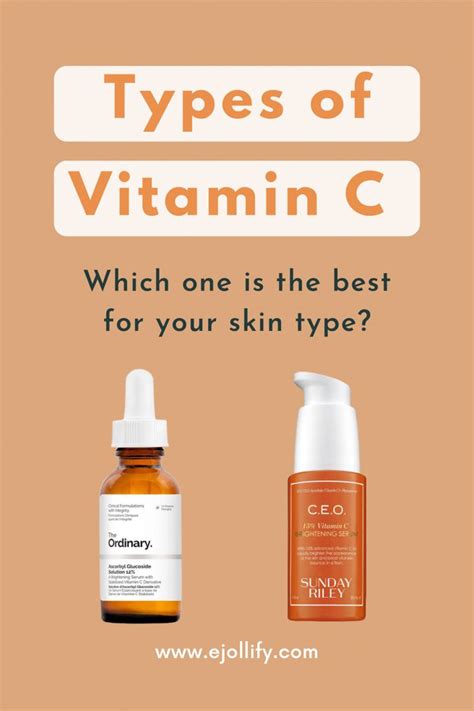
Understanding Different Vitamin C Skincare Products
When selecting the best vitamin C products for your routine, it's important to understand the role of each product type.
Cleansers
The primary purpose of a cleanser is to remove dirt, oil, makeup, and other debris from the skin's surface, preparing it for subsequent products. While many vitamin C-infused cleansers are available, they typically contain a lower concentration of the ingredient compared to other product types. Achieving noticeable results from vitamin C in a cleanser requires regular use over an extended period. A vitamin C cleanser can help maintain existing benefits but isn't the ideal choice for introducing vitamin C into your routine.
Toners
Toners are designed to remove any remaining dirt after cleansing and can also hydrate and condition the skin, improving the absorption of subsequent products. When vitamin C is present in a toner, it can help balance the skin, making it more receptive to other treatments and providing a hydrating boost to environmentally stressed skin. However, toners also have a low concentration of vitamin C, meaning significant changes may take time to become apparent.
Exfoliants
Exfoliants are among the most popular products featuring vitamin C. Regular exfoliation removes dead skin cells, opening pores and allowing vitamin C to penetrate deeper, thus increasing its effectiveness. Furthermore, vitamin C itself is a natural exfoliant, meaning its presence in an exfoliating product can boost its overall exfoliating power.
Serums
Facial serums are generally formulated with one or two key ingredients at a higher concentration, allowing them to deliver obvious benefits in a shorter timeframe. For those looking to maximize the impact of vitamin C, adding a vitamin C serum to your routine is highly recommended. For example, serums formulated with both retinol and vitamin C can combat visible signs of aging while simultaneously brightening skin tone.
Moisturizers
Moisturizers act as a seal, locking in the benefits of previous skincare steps. Incorporating a moisturizer formulated with vitamin C as a primary ingredient is a great way to deliver a daily dose of this nutrient to your skin, though it may not be as potent as a serum.
Facial Masks
Facial masks with vitamin C have become a popular addition to many skincare routines, offering numerous benefits and an efficient way to incorporate the ingredient. Masks with a high concentration of vitamin C can deliver maximum results with minimal effort.
Factors to Consider When Choosing Vitamin C Products
Beyond the product type, several factors are crucial when selecting the best vitamin C skincare products for your needs:
Form of Vitamin C
Vitamin C is rarely listed simply as "Vitamin C" on product labels due to its various forms.
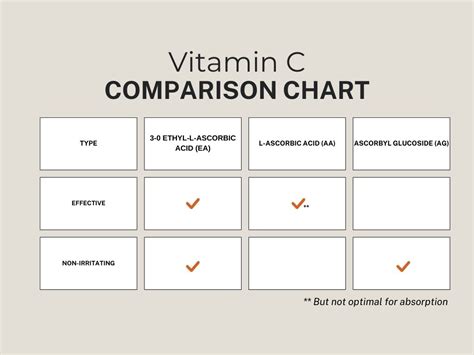
- Ascorbic Acid: This is the most potent form, known for its rapid absorption into the skin. It's a popular choice for serums and moisturizers.
- Magnesium Ascorbyl Phosphate (MAP): A water-soluble derivative, MAP is more effective in lower concentrations and is often found in cleansers or toners.
Packaging
Vitamin C is volatile and can degrade when exposed to oxygen or sunlight. Look for products in opaque glass or plastic packaging to protect the ingredient. Packaging with a pump or other mechanism that limits air exposure is also beneficial.
Accompanying Ingredients
Ingredients like vitamin E and ferulic acid are often included to stabilize vitamin C, increase its longevity, and enhance its benefits.
Skin Type
While generally safe for all skin types, individuals with sensitive skin should opt for products with simple formulas and introduce them gradually. If one form of vitamin C causes irritation, experimenting with another form may yield better results.
The Powerful Benefits of Topical Vitamin C
Vitamin C is a potent antioxidant that plays a vital role in maintaining skin health. When applied topically, it offers a range of significant benefits:
Neutralizing Free Radicals
Free radicals are destructive molecules produced by environmental pollutants like smog, dust, cigarette smoke, and sun exposure. They can cause skin discoloration, loss of volume, and reduced resiliency. The antioxidant properties of vitamin C help neutralize these molecules, minimizing damage to the skin.
Gentle Exfoliation
As a natural acid, vitamin C acts as a gentle exfoliant, sloughing away dead skin cells to reveal smoother, more even-toned skin beneath. Consistent use can lead to a brighter and more youthful complexion.
Anti-Aging Effects
Regular use of vitamin C can soften the appearance of fine lines and wrinkles and minimize the visibility of dark spots and hyperpigmentation, contributing to a more youthful appearance.
Reducing Redness and Inflammation
As a natural anti-inflammatory agent, vitamin C can help reduce redness and inflammation associated with various skin conditions like acne, sensitivity, or psoriasis. It is also thought to promote skin healing and improve the appearance of acne scarring and other surface imperfections.
Minimizing Sun Damage
Despite sunscreen use, skin can still suffer sun damage from UV rays, leading to discoloration like freckles or hyperpigmentation. Topical vitamin C can strengthen the skin and minimize the effects of sun exposure, promoting an even skin tone and texture for a youthful glow.

How to Use Vitamin C in Your Skincare Routine
Incorporating vitamin C into your routine effectively requires understanding its optimal application and potential interactions.
Choosing the Right Concentration
The effectiveness of topical vitamin C depends on its concentration. Dermatologists often recommend starting with a low concentration (around 10%) and gradually increasing to 15% or 20% as tolerated. For oily or normal skin, L-ascorbic acid is generally most beneficial, while magnesium ascorbyl phosphate is less irritating for dry and sensitive skin.
Understanding pH Levels
The pH level of a vitamin C product significantly impacts its absorption. For normal skin, a low pH of approximately 3.5 is optimal. For sensitive skin, a pH of 5 to 6, which is closer to the skin's natural pH, will be less irritating.
Serums as the Go-To Product
Serums are a common and effective vehicle for vitamin C due to their ability to deliver a high concentration of actives in a stable, layerable form that enhances penetration. Vitamin C is often combined with complementary ingredients like vitamin E, ferulic acid, vitamin B, and hyaluronic acid to boost its efficacy and stability.
Starting Slowly
As with any active ingredient, it's advisable to introduce vitamin C slowly. Starting with application three times a week and gradually increasing to daily use can help monitor your skin's reaction. Visible improvements in skin tone may take several weeks of consistent use.
Proper Storage
Vitamin C is sensitive to light and air. Water-based formulas are more unstable and light-sensitive, typically housed in opaque or amber bottles. Anhydrous (water-free) formulas tend to be more stable. Storing your vitamin C product in a dark, cool space is essential. If the color becomes dark or cloudy, or if a rancid odor is detected, the product has likely oxidized and should be discarded. Airless pumps are preferable to traditional droppers, as they minimize exposure to air.
Layering with SPF
Unlike some other active ingredients, vitamin C does not increase sun sensitivity. However, the ingredient itself is vulnerable to light. Applying a broad-spectrum sunscreen with at least SPF 30 after your vitamin C product can provide enhanced protection by neutralizing free radical damage that may occur despite sunscreen use.
Dietary Considerations
Nourishing your skin from the inside out by incorporating vitamin C-rich foods like citrus fruits, bell peppers, and other fruits and vegetables can complement topical treatments.
When to Apply Vitamin C in Your Routine
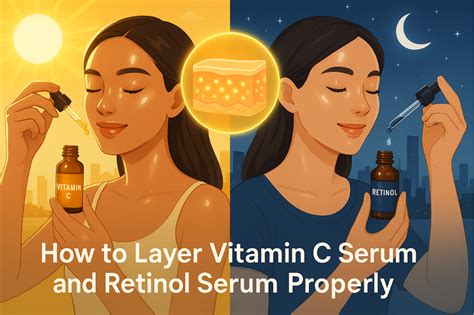
The timing of vitamin C application depends on the product type. Vitamin C serums are typically applied after cleansing. If using a vitamin C moisturizer, it can serve as both a hydrator and a treatment step. Many experts recommend applying vitamin C in the morning, before moisturizer and sunscreen, to allow for optimal penetration and to boost SPF effectiveness throughout the day.
Application Area
It's generally best to apply vitamin C all over the face rather than spot treating, as its brightening and protective benefits are desired everywhere. Extending application to the neck and chest is also recommended, as these areas are considered part of the same cosmetic unit as the face.
Daily Use
Vitamin C can be used daily, and this is often how the most significant benefits are achieved. For those new to the ingredient, starting with every other day and gradually increasing to daily use is advisable. Morning application is generally considered ideal once the skin is accustomed to it. Some may even tolerate twice-daily application.
Ingredient Pairings with Vitamin C
Vitamin C generally pairs well with many other skincare ingredients, but some combinations require careful consideration.
Beneficial Combinations
- Hyaluronic Acid: Provides deep hydration and plumps the skin.
- Melatonin and Vitamin E: Enhance antioxidant effects and support skin repair.
- Ferulic Acid: Stabilizes vitamin C and vitamin E, boosting their effectiveness in fighting free radical damage and promoting collagen production.
- Vitamin B: Offers additional skin benefits.
Combinations to Use with Caution
While vitamin C is acidic, its interaction with other acids like AHAs (alpha-hydroxy acids) and BHAs (beta-hydroxy acids) can be beneficial for enhancing penetration, especially if products are formulated with compatible pH levels. However, using high-concentration exfoliating acids or retinoids simultaneously with vitamin C may cause irritation for some individuals. It's often recommended to use vitamin C in the morning and exfoliating acids or retinoids at night if your skin is sensitive or if you are using high concentrations.

When layering AHA/BHA with vitamin C, applying the more acidic product first (usually AHA or BHA) can enhance vitamin C absorption. If products have similar pH levels or if the vitamin C is not pH-dependent, they may be applied without significant waiting times.
Vitamin C and Exfoliation
While vitamin C itself possesses exfoliating properties, it is not typically classified as an exfoliant in the same way as AHAs or BHAs, which are specifically designed to remove dead skin cells. Vitamin C's primary roles are its antioxidant capabilities, brightening effects, and promotion of collagen production. However, when used in conjunction with chemical exfoliants, it can contribute to a smoother and brighter complexion.
The Ultimate Vitamin C Crash Course - Collagen, Hormones, Chemistry & More
Conclusion
Vitamin C is a true skincare essential, offering a wide array of benefits for achieving a brighter, healthier-looking complexion. By understanding its properties, choosing the right products, and incorporating it strategically into your routine, you can effectively harness the power of this potent antioxidant. Consistent use, proper storage, and mindful ingredient pairings will help you maximize the visible improvements to your skin's tone, texture, and overall vitality.
tags: #vitamin #c #face #exfoliator