Vitamin C is an indispensable nutrient that plays a crucial role in numerous bodily functions. Unlike most other animals, humans cannot synthesize vitamin C and must obtain it through their diet from sources such as citrus fruits, bell peppers, and leafy greens. This vitamin is particularly vital for maintaining skin that looks healthy.
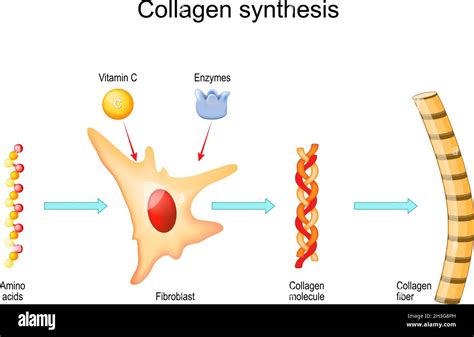
Your skin cells utilize vitamin C to shield themselves from the stress induced by pollution, smoking, and UV rays. Furthermore, your skin requires vitamin C for the synthesis of collagen, a protein that constitutes over 70 percent of the dry weight of your skin.
Powdered vitamin C is a relatively new addition to the market but has rapidly gained popularity. It can be incorporated into serums or moisturizers to help protect the face and reduce the visible signs of aging. This article explores whether powdered vitamin C can contribute to improving the health of your facial skin.
Understanding Topical Vitamin C
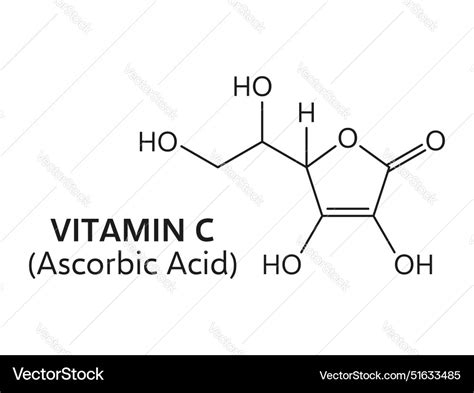
Not all forms of vitamin C are capable of penetrating the skin. For the skin to effectively utilize vitamin C, it must be in the form of ascorbic acid. However, ascorbic acid is inherently unstable and tends to degrade when exposed to heat, oxygen, or light.
The ascorbic acid found in powdered vitamin C is considered more resistant than other forms, and it is believed to retain more of its beneficial properties compared to vitamin C found in serums or lotions. This stability makes it a compelling option for topical application.
Key Skincare Benefits of Vitamin C
Applying vitamin C to the face offers a range of significant benefits:
1. Potent Antioxidant Properties
Vitamin C stands as the most abundant antioxidant present in your skin. Your skin cells actively store vitamin C to prevent damage caused by environmental factors. Factors such as UV rays, pollution, and smoking can inflict damage on the skin by generating free radicals. These unstable molecules attempt to steal electrons from your cells, leading to cellular damage.
2. Promotion of Collagen Production
Collagen forms the structural foundation of your skin, making up the majority of its dry weight. Your body relies on vitamin C for the synthesis of this essential protein. Many symptoms associated with vitamin C deficiency, such as scurvy, are attributed to impaired collagen synthesis. Research has indicated that topical vitamin C solutions can be highly effective in stimulating collagen production.
3. Skin Lightening and Reduction of Hyperpigmentation
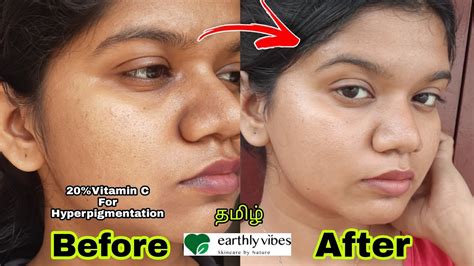
Vitamin C plays a role in inhibiting the enzyme tyrosinase. Tyrosinase is responsible for converting the amino acid tyrosine into melanin, the pigment that determines your skin's color. Studies examining the effect of topical vitamin C on sun-induced skin spots have suggested that vitamin C may be beneficial in preventing the signs of sun damage by inhibiting melanin production.
4. Replenishment of Vitamin E
Vitamin E is another crucial antioxidant that safeguards your skin from oxidative damage. Exposure to sunlight leads to a decline in vitamin E levels within the skin. Research has demonstrated that vitamin C aids in replenishing vitamin E levels after sun exposure, thereby enhancing the skin's overall antioxidant defense system.
Specific Benefits of Vitamin C Powder
While research specifically on vitamin C powder is still developing, its benefits can be inferred from studies on other topical forms of vitamin C. Powdered vitamin C may offer the following advantages:
Treating Sun Damage
Applying vitamin C to the face may help diminish the appearance of dark spots caused by sun damage. By inhibiting melanin production, topical vitamin C effectively targets hyperpigmentation.
Preventing Skin Sagging
As individuals age, their skin naturally produces less collagen. This reduction in collagen is a primary factor contributing to skin sagging. Applying vitamin C can potentially enhance the skin's collagen production, particularly for those with significant sun exposure or insufficient dietary vitamin C intake.
Reducing the Appearance of Wrinkles
With age, skin tends to lose elasticity and become thinner, which can lead to the formation of wrinkles. While genetics play a role, repeated exposure to UV rays can degrade collagen and elastin, accelerating skin aging. Topical vitamin C can help protect the skin from such sun-induced damage.
Aiding in Wound Healing
Vitamin C is essential for all stages of wound healing. Applying vitamin C to a wound may expedite the healing process and minimize scarring. The vitamin assists the body in producing the necessary collagen for tissue repair.
Protecting Skin from Sun and Pollution
The skin is continuously exposed to damaging UV rays and atmospheric pollutants, which can cause oxidative stress. Vitamin C acts as an antioxidant, protecting the skin from this stress. Applying powdered vitamin C can help ensure that skin cells have an adequate supply of this protective nutrient.
Anecdotal Claims and Potential Uses
Some individuals report additional benefits from using powdered vitamin C, though these are based on anecdotal evidence:
Under-Eye Circles
Certain users claim that vitamin C helps reduce the appearance of under-eye circles, potentially by stimulating collagen production in this delicate area.
Exfoliation
When mixed with a moisturizer or lotion, vitamin C powder can sometimes create a slightly gritty texture. This texture may contribute to gentle exfoliation of the skin.
How to Use Vitamin C Powder for Skincare
When incorporating vitamin C powder into your routine, it's crucial to ensure you are using a product specifically formulated for topical use. Crushed vitamin C supplements intended for ingestion may not be effective for skincare.
Application Steps:
- Dispense a small amount of powder into the palm of your hand, following the specific instructions provided with the product.
- Mix the vitamin C powder with a serum or lotion in your palm.
- Research suggests that for optimal benefits, vitamin C should constitute at least 8% of the solution. Concentrations exceeding 20% may lead to skin irritation.
- Apply the mixture to your entire face or use it as a targeted spot treatment.
As with any new skincare product, it is advisable to perform a patch test. Apply a small amount of the mixture to an inconspicuous area of your skin 24 hours before full facial application to check for any allergic reactions or sensitivities.
Choosing the Right Vitamin C Powder
When selecting a vitamin C powder, look for products labeled as L-ascorbic acid, as this is the most active and well-researched form. Be aware that some products may contain less effective derivatives.
Optimal concentrations for vitamin C serums typically range between 10% and 20%. Higher concentrations may not offer additional benefits and could potentially cause irritation. Always check the product's pH level, as a pH lower than 3.5 is often associated with better absorption and efficacy in clinical studies.
Storage and Combinations
To maintain the stability and efficacy of your vitamin C powder, store it properly. Keep it away from direct light and excessive heat, as these factors can degrade the active ingredient. Opt for products in dark-colored or opaque containers and ensure the lid is tightly sealed. Store in a cool, dark, and dry place.
While vitamin C is generally well-tolerated, it's wise to be cautious when combining it with other potent skincare ingredients. Ingredients like retinoids (retinol) and certain exfoliating acids (AHAs/BHAs) can potentially cause irritation when used simultaneously. It is often recommended to use vitamin C in the morning and retinoids or exfoliating acids at night, or on alternating days, to minimize the risk of adverse reactions.
Conversely, vitamin C pairs well with ingredients like hyaluronic acid for enhanced hydration and melatonin and vitamin E for amplified antioxidant protection.
Can I mix vitamin C powder with my moisturizer?
Where to Find Vitamin C Powder
Vitamin C powder can be purchased online, from many pharmacies, and in stores specializing in skincare products.