Hyaluronic acid (HA) has become a ubiquitous ingredient in the beauty and skincare industry, celebrated for its remarkable moisturizing properties. While its name might be familiar, understanding the science behind how it benefits your skin can demystify its widespread appeal. This ingredient is a natural substance found in our bodies, playing a crucial role in maintaining hydration from within.
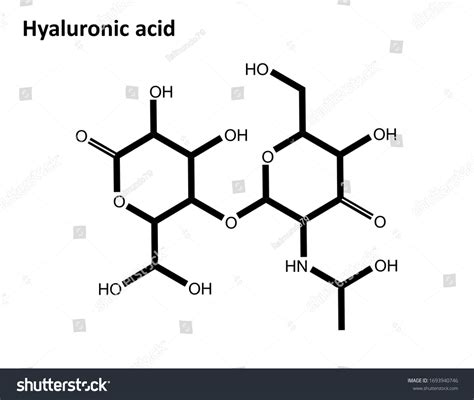
Understanding Hyaluronic Acid
Hyaluronic acid is a polymer, a type of long, chain-like molecule. Its structure is characterized by numerous sites where other molecules, such as water, can easily attach. This unique property allows a small amount of hyaluronic acid to bind and hold a significant quantity of water, making it an exceptional humectant. Naturally occurring in our skin, eyes, and joints, hyaluronic acid acts as a lubricant and cushion for these tissues. However, the body's natural production of hyaluronic acid diminishes over time, particularly as we age, leading to decreased skin hydration, thinner-feeling skin, and a loss of firmness and volume.
In addition to its role in moisture retention, hyaluronic acid's structure allows it to transport other molecules and attach to cells. This characteristic is being explored for targeted delivery of medications. Furthermore, its scaffolding-like property aids in tissue growth, which is a vital component of wound healing. Scientists are also investigating its role in embryonic development and reproduction.
Benefits of Hyaluronic Acid for the Skin
The primary benefit of hyaluronic acid serum for the face is its unparalleled ability to hydrate the skin. As a powerful humectant, it draws moisture from the environment and binds it to the skin, replenishing hydration levels and combating dryness and flakiness. This makes it an excellent addition to the skincare routine for individuals with dry or dehydrated skin.
Beyond basic hydration, hyaluronic acid offers significant anti-aging effects. When applied topically, it can help to:
- Plump the skin: By increasing moisture content, HA makes the skin appear fuller and more supple.
- Smooth fine lines and wrinkles: The plumping effect helps to minimize the appearance of shallow lines and wrinkles.
- Improve elasticity and firmness: Enhanced hydration contributes to skin that feels more resilient and toned.
- Boost overall skin radiance: Well-hydrated skin reflects light better, leading to a more luminous complexion.
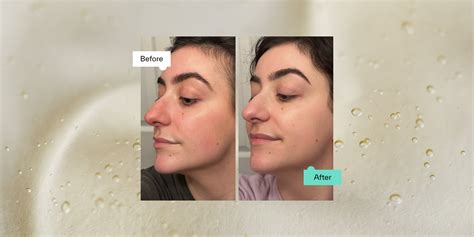
Hyaluronic Acid and Aging Skin
As we age, our skin's natural hyaluronic acid levels decrease. This depletion contributes to the visible signs of aging, including sagging, loss of volume, reduced firmness, and dryness. Incorporating hyaluronic acid into your skincare routine can help counteract these effects by replenishing lost moisture and supporting the skin's natural hydration mechanisms. Long-term use of hyaluronic acid serums or oral supplements has been shown to improve overall skin health, flexibility, and elasticity.
Hyaluronic Acid for Acne-Prone Skin
While hyaluronic acid is not a direct treatment for active acne, it plays a role in managing its aftermath. It is often used in cosmetic fillers to help repair or conceal acne scars. Some research is exploring combinations of hyaluronic acid with other acne medications, but substantial evidence for its effectiveness in treating acne itself is still limited.
What to Look for in Hyaluronic Acid Products
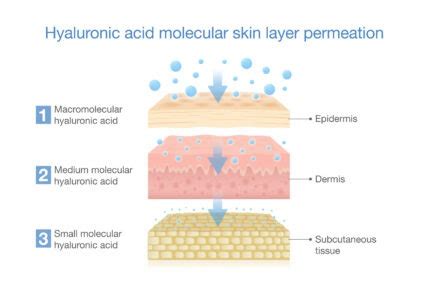
Not all hyaluronic acid products are formulated equally. The effectiveness of a hyaluronic acid serum or moisturizer can depend on the molecular weight of the HA used. Smaller molecules can penetrate deeper into the skin's dermis, while larger molecules hydrate the epidermis closer to the surface. For optimal benefits, consider products formulated with multiple forms of hyaluronic acid, which can address hydration across different skin layers. Some advanced formulations, like those utilizing a "Hyaluronic 4 + 2 Complex," combine various forms of HA with natural building blocks to create a multi-dimensional hydration matrix. This approach aims to provide both immediate and long-lasting hydration, enhancing skin plumpness and reducing the appearance of fine lines and wrinkles.
When selecting a hyaluronic acid serum or cream, look for formulas that feel comfortable on your skin. A gel-sorbet texture can be beneficial for decongesting the skin and combating fatigue. For sunscreens, a lightweight, non-greasy formula with HA can be suitable for all skin types.
How to Incorporate Hyaluronic Acid into Your Skincare Routine
To maximize the benefits of hyaluronic acid serum, apply it to clean, damp skin. Applying to dry skin can potentially lead to transepidermal water loss as the HA draws moisture from the skin. Applying it to damp skin allows the serum to bind to and retain the excess water. It is recommended to use it up to twice a day, both in the morning and evening.
A step-by-step approach to using hyaluronic acid in your routine might look like this:
- Cleanse: Start with a gentle cleanser to remove impurities and prepare the skin. A soft cleansing foam can effectively remove buildup without stripping the skin.
- Apply Eye Gel (Optional): If you use an eye gel containing hyaluronic acid, apply it to the delicate eye contour area. These formulas can help restore elasticity and moisture around the eyes.
- Apply Hyaluronic Acid Serum: Smooth a hydrating hyaluronic acid serum onto damp skin. This step helps replenish moisture levels and leaves the skin looking radiant.
- Seal in Moisture: Follow with a moisturizer or cream containing hyaluronic acid. These products act as a barrier to retain hydration, providing sustained moisture throughout the day.
- Apply Sunscreen: Always finish your morning routine with a high SPF, broad-spectrum sunscreen. A hydrating sunscreen with hyaluronic acid can be a beneficial choice for all skin types.
Hydrated skin not only looks healthier but also provides a smoother canvas for makeup application, minimizing the appearance of texture under foundation and concealer.
How to use Thermal Water and Hyaluronic Acid Serum or Moisturizer
Hyaluronic Acid and Other Skincare Ingredients
Hyaluronic acid is generally well-tolerated and can be combined with many other skincare ingredients. Some beneficial pairings include:
Hyaluronic Acid + Vitamin C
Vitamin C and hyaluronic acid create a gentle yet potent skincare combination. Their benefits complement each other, offering a rejuvenating effect. Vitamin C provides antioxidant protection, while hyaluronic acid ensures deep hydration, leading to brighter, plumper skin.
Hyaluronic Acid + Retinoids
Retinoids can sometimes cause dryness and irritation. Hyaluronic acid can help mitigate these side effects by providing essential hydration, making the use of retinoids more comfortable. It's advisable to apply HA after a retinoid has absorbed into the skin.
Mixtures to Avoid
While hyaluronic acid is highly compatible, it's always wise to introduce new products gradually and observe your skin's reaction. When in doubt, patch testing is recommended.
Beyond the Face: Hyaluronic Acid for Nails
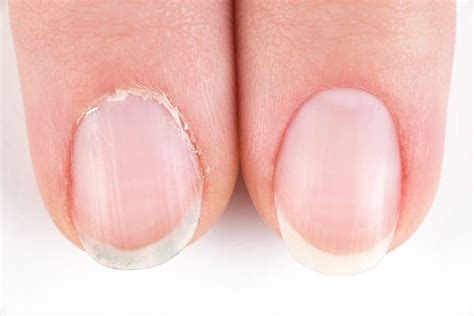
The hydrating benefits of hyaluronic acid extend beyond the skin. It can also help strengthen and moisturize nails and cuticles. Certain forms, like cationic hyaluronic acid, are specifically designed to moisturize the nail plate and surrounding skin.
Frequently Asked Questions About Hyaluronic Acid
How Often Should I Use Hyaluronic Acid?
Hyaluronic acid can typically be used twice daily, in both morning and evening skincare routines, applied to damp skin. While visible hydration effects may appear quickly, any significant rejuvenating effects usually take at least 30 days of consistent use to become noticeable.
Is Hyaluronic Acid Safe?
When used topically in serums, creams, lotions, or eye care products, hyaluronic acid is generally considered safe. Oral supplements are also likely safe when used appropriately, but it's always advisable to inform your healthcare provider about any supplements you take. Prescription products and injections should only be administered by qualified medical professionals.
Are There Any Precautions?
There is limited reliable information regarding the safety of hyaluronic acid during pregnancy and breastfeeding, so it is best to avoid use in these cases. Individuals undergoing radiation therapy should consult their doctor before applying HA to the skin, as it might increase the risk of skin complications. People with scleroderma should also exercise caution, as topical application might worsen skin ulcers.