Head lice are tiny, wingless parasitic insects that can infest the human scalp. Understanding what they look like at different life stages is crucial for effective detection and treatment. While often associated with children, anyone can contract head lice, and they are not a sign of poor hygiene or a disease carrier.
What Do Head Lice Look Like?
Head lice have distinct appearances depending on whether they are eggs (nits), immature lice (nymphs), or adult lice.
Lice Eggs (Nits)
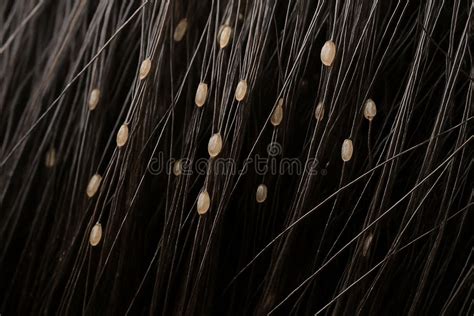
Lice eggs, commonly referred to as nits, are tiny oval-shaped sacs that attach firmly to individual hair strands, usually within a quarter inch of the scalp. They measure about 0.8 millimeters long and can appear yellowish-white when viable or translucent white after hatching. A single adult female louse can lay six to ten eggs per day. Unlike dandruff, which flakes off easily, nits remain attached to the hair shaft and do not come off easily when pulled. The most reliable way to distinguish nits from dandruff is the flick test: dandruff flakes off, while nits stay attached. Viable nits are typically found close to the scalp, typically within 6 millimeters, as they require body heat to incubate.
Nymphs
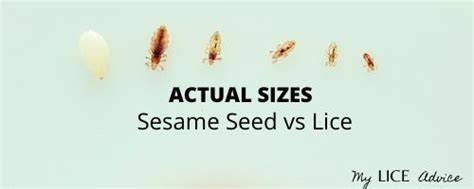
Nymphs are immature lice that hatch from nits. They resemble smaller, paler versions of adult lice and are about the size of a pinhead (1 to 2 millimeters). They are nearly translucent, making them particularly difficult to spot.
Adult Lice
Adult lice are approximately the size of a sesame seed, roughly 2 to 3 millimeters in length. They possess six legs, each tipped with a small claw designed for gripping hair shafts. The color of adult lice can range from whitish-gray to tan or even reddish-brown after feeding on blood. Adult lice move quickly, crawling up to 23 centimeters per minute, and tend to avoid light, making them adept at evading detection. They live about a month on a person's head and will die within a day or two if they fall off.
Symptoms of Head Lice Infestation
The most common symptom of a head lice infestation is itching, which is an allergic reaction to lice bites. This itching can be persistent and may lead to scratching. Other symptoms may include:
- A feeling like something is moving in the hair.
- Small red bumps or sores on the scalp, neck, and shoulders, often caused by scratching.
- Difficulty sleeping, as head lice are most active at night.
- Swollen lymph nodes in the neck.
It's important to note that the itching may not start immediately and can take weeks to develop, depending on an individual's sensitivity to the lice bites.
How Do You Get Head Lice?
Head lice primarily spread through direct head-to-head contact between people. This is why they are most common in children aged 3 to 12, who often engage in close physical play. Lice can also spread by sharing items that touch the head, such as combs, brushes, hats, and hair accessories. However, lice cannot fly or jump; they spread by crawling.
Lice live on the human head and feed on blood from the scalp. They can survive for 1 to 2 days off the body, meaning transmission from objects like bedding or furniture is possible but less common than direct contact.
What Causes Head Lice? | Treatment For Head Lice | The Dr Binocs Show | Peekaboo Kidz
Life Cycle of Head Lice
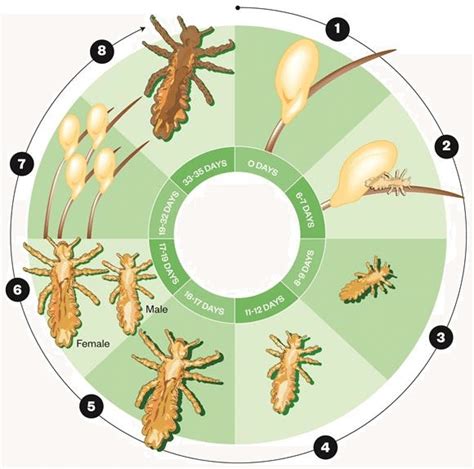
The head louse life cycle consists of three main stages: eggs (nits), nymphs, and adult lice. An adult female louse lays eggs near the scalp, gluing them to hair shafts. These eggs hatch into nymphs within 5 to 10 days. The nymphs then feed on blood and grow into adults over the next nine to 12 days, at which point they can lay more eggs, continuing the cycle.
Distinguishing Lice from Other Scalp Conditions
It is common to mistake nits or lice for other scalp conditions like dandruff, hairspray residue, or hair casts. Here's how to differentiate:
- Nits vs. Dandruff: Nits are firmly attached to hair shafts and difficult to remove by flicking or brushing. Dandruff flakes are loose and easily detached.
- Nits vs. Hair Casts: Hair casts are white, tube-like debris that surround the hair shaft and can slide along it. Nits are oval-shaped and glued to individual hairs.
The most reliable way to confirm an infestation is by finding live lice, which are visible to the naked eye, though small and fast-moving.
Detection and Treatment of Head Lice
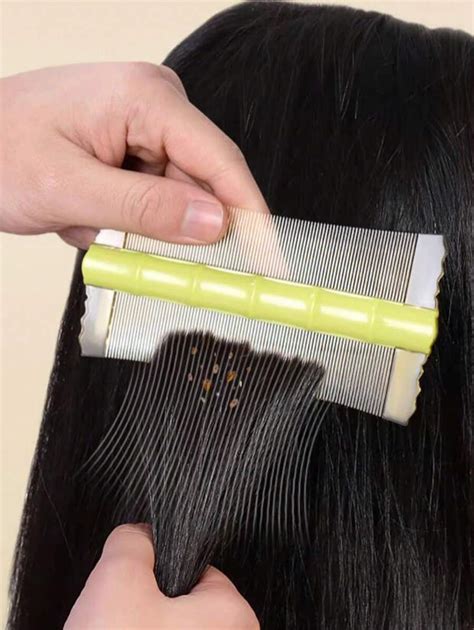
The most reliable method for detecting head lice is by combing through the hair with a special fine-toothed comb, often called a detection comb or nit comb. This is most effective on wet hair with conditioner.
Wet Combing
Wet combing involves washing the hair with regular shampoo, applying a generous amount of conditioner, and then meticulously combing through the entire head of hair from roots to ends using the detection comb. This process may take 10 to 30 minutes, depending on hair length and texture. It is recommended to perform wet combing on specific days (e.g., days 1, 5, 9, and 13) to catch any newly hatched lice. Regular checks are crucial.
Medicated Lotions and Sprays
If wet combing is not successful or suitable, medicated lotions and sprays are available over-the-counter from pharmacies and supermarkets. These products are designed to kill head lice. It is essential to follow the product instructions carefully. Some treatments may require a second application after 7 to 10 days to kill lice that have hatched since the initial treatment.
If home treatments are ineffective, or if signs of a scalp infection develop (e.g., redness, oozing, crusting), it is advisable to consult a healthcare professional. They can offer prescription medications or further guidance.
Prevention of Head Lice Spread
While there is no foolproof way to prevent head lice, certain measures can help reduce the risk of transmission:
- Regularly check children's hair for lice and nits, especially if there have been reports of infestations at school or camp.
- Educate children to avoid head-to-head contact during play.
- Discourage the sharing of personal items like combs, brushes, hats, and hair accessories.
- When a lice infestation is detected, check all household members and treat anyone who has lice on the same day to prevent re-infestation.
- Wash bedding, clothing, and towels used by an infested person in hot water (above 140°F or 60°C) and dry on a hot cycle. Items that cannot be washed can be sealed in plastic bags for two weeks.
- Vacuum carpets and furniture where an infested person may have shed hair.