Restylane is a widely used brand of hyaluronic acid-based facial fillers designed to smooth wrinkles and restore lost volume in the skin. Hyaluronic acid is a substance that naturally occurs in human connective tissues and skin, playing a crucial role in maintaining hydration and firmness. As we age, the natural production of hyaluronic acid decreases, leading to volume loss, dryness, and the formation of wrinkles. Restylane fillers, made from a stabilized form of hyaluronic acid, are injected into the skin to replenish this lost volume, thereby smoothing lines, enhancing facial contours, and revitalizing the skin's appearance.
The Restylane family of products includes various formulations, each specifically designed to address different aesthetic concerns and target particular areas of the face. These fillers are injected using a fine needle, typically under local anesthesia, and are a popular choice for non-surgical facial rejuvenation.
Key Features and Benefits of Restylane
Restylane offers several advantages, making it a sought-after treatment for anti-aging and facial contouring:
- Natural Appearance: Composed of hyaluronic acid, which is naturally found in the body, Restylane fillers integrate seamlessly with the skin, providing natural-looking results.
- Immediate Results: Many patients notice an immediate improvement in volume and smoothness right after the injection, with full effects visible within one to two weeks.
- Minimally Invasive: The procedure is performed in a doctor's office, requires no incisions, and involves minimal discomfort, often with the use of local anesthesia.
- Short Recovery Time: Most individuals can return to their daily activities, including work, shortly after the procedure, with recovery typically taking less than a day.
- Versatility: Different Restylane products can be used for various applications, including lip enhancement, augmentation of cheeks, filling of fine lines around the mouth, and reducing the appearance of dark circles under the eyes.
- Biodegradable: Restylane gel is biodegradable, meaning it is naturally broken down by the body over time, and results can be maintained with follow-up treatments.
How Restylane Works
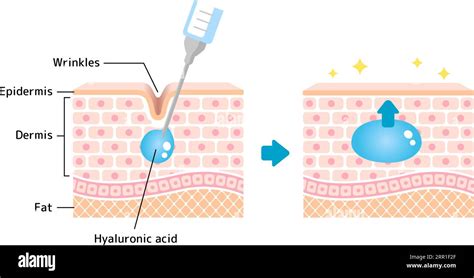
Restylane functions by introducing volume beneath the skin's surface, particularly in areas where collagen and other tissues have diminished. The hyaluronic acid within the filler attracts and binds with water molecules, helping to plump the skin and create a smoother, more lifted appearance. This ability to attract and retain water contributes to the longevity of the added volume.
The procedure itself is straightforward. After cleaning the treatment area, the Restylane gel is injected under the skin using an ultrafine needle. The amount of filler used is determined by the patient's specific needs and desired outcome. The gel's consistency and properties allow it to be molded to achieve the preferred shape and contour.
Types of Restylane Products and Their Applications
The Restylane family offers a range of products tailored for specific aesthetic goals:
Restylane Silk
Restylane Silk is the first FDA-approved filler specifically designed for lip augmentation and to smooth wrinkles around the mouth. It has a finer consistency, making it ideal for delicate areas like the lips and perioral lines (often referred to as "smoker's lines"). It is also FDA-approved for patients aged 21 and older for smoothing lines and wrinkles around the mouth.
Restylane Lyft
Restylane Lyft is indicated for cheek augmentation and to address midface contour deficiencies, providing increased volume and fullness. It is also used for treating moderate to severe facial wrinkles and folds, such as laugh lines, and can be injected into the dorsal hand to correct volume loss. Restylane Lyft with Lidocaine is designed for deep implantation into the facial tissue.
Restylane (Original)
The original Restylane is used for addressing facial wrinkles and folds, lip augmentation, and treating tear troughs (dark circles under the eyes). It effectively restores volume and smooths out common signs of aging.
Restylane Refyne
Restylane Refyne is formulated to treat wrinkles that extend from the nose to the corners of the mouth, such as nasolabial folds. It is designed to help patients regain a more youthful appearance while maintaining natural facial expressions.
Restylane Defyne
Similar to Refyne, Restylane Defyne is used for wrinkles around the nose and mouth, including deeper facial folds. It offers a more robust correction for moderate to severe wrinkles and folds, particularly when injected into the mid-to-deep facial tissue.
Restylane Kysse
Restylane Kysse is another hyaluronic acid-based filler developed to correct moderate to severe folds and wrinkles on the lower third of the face, and it is specifically designed for lip augmentation, providing definition and volume.
When considering Restylane, it is crucial to consult with a healthcare professional to determine the most suitable product for your individual needs and desired results.
The Restylane Procedure
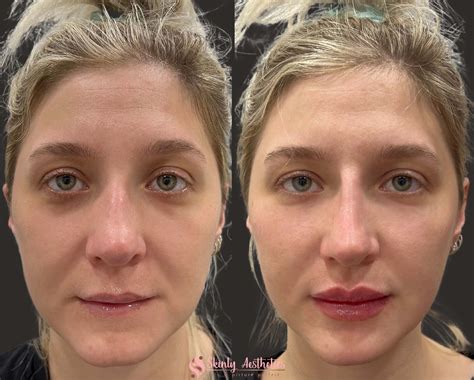
The Restylane injection process is typically performed in a doctor's office and involves the following steps:
- Consultation: The initial step involves a discussion with your provider to outline your aesthetic goals and concerns. The provider will analyze your facial features, symmetry, and skin quality to plan the optimal placement for the injections.
- Preparation: The treatment area will be cleansed with an antiseptic. A topical numbing cream may be applied to minimize discomfort during the injections.
- Injection: Using an ultrafine needle, the Restylane gel is precisely injected into the designated treatment areas until the desired outcome is achieved. The duration of the injection procedure can range from a few minutes to half an hour, depending on the number of areas being treated.
Following the injections, you will likely notice initial results, such as increased volume and smoother lines. Your provider may apply a cold compress to help minimize any potential swelling or discomfort.
Recovery and Results
Recovery time for Restylane treatments is generally minimal, allowing most patients to resume their normal activities almost immediately. Some common side effects may include swelling, bruising, pain, itching, or tenderness at the injection site. These side effects are usually mild and resolve on their own within a few days to a couple of weeks, depending on the treatment area.
To minimize the risk of bruising, it is often recommended to avoid certain medications and supplements, such as aspirin, vitamin E, fish oil, ibuprofen, and St. John's Wort, for about two weeks prior to the appointment. Over-the-counter supplements like arnica may also help reduce bruising and swelling.
The results of Restylane treatments are generally long-lasting but not permanent. Depending on the specific product used, the area treated, and individual metabolism, results can typically last anywhere from 6 to 18 months. To maintain the desired effects, follow-up injections may be necessary.
How Dermal Fillers Work - HOW TO SERIES
Cost of Restylane Treatments
The cost of Restylane treatments can vary significantly based on the number of vials used, the specific product, and the geographic location. Restylane is generally sold by the syringe, with prices often starting around $275 per vial. Most procedures typically range from $275 to $700.
Since Restylane is considered an elective cosmetic procedure, it is not covered by most health insurance plans. However, some medical practices may offer financing options or allow for installment payments.
Safety and Potential Risks
Restylane is generally considered safe when administered by a qualified and experienced healthcare provider. It was approved by the Food and Drug Administration (FDA) in 2003. However, like any medical procedure, there are potential risks and side effects.
Contraindications for Restylane use include:
- Allergy to bacterial protein
- Immunocompromised status
- Pregnancy or breastfeeding
- Being under the age of 21
- Individuals taking blood thinners may have an increased risk of bruising or bleeding.
- History of severe allergies requiring hospital treatment
- Allergy to lidocaine or gram-positive bacterial proteins
- Bleeding disorders
Potential risks and side effects include:
- Bruising or bleeding at the injection site
- Infection
- Allergic reactions
- Irregularities in the filling, such as changes in skin firmness
- Swelling, redness, pain, itching, or tenderness at the injection sites
- Headache
- In rare cases, lump formation or granulomas may occur.
- A very rare but serious risk is vascular occlusion, which happens if the filler is injected into a blood vessel, potentially leading to tissue damage.
It is important to discuss your medical history and any concerns with your doctor to determine if Restylane is the right choice for you. Serious side effects, though rare, can include vision abnormalities, blindness, stroke, temporary scabs, or permanent scarring. Delayed-onset inflammation near the injection site has also been reported following illnesses, infections, vaccinations, or dental procedures.