Microneedling therapy, commonly known as dermarolling, has been a recognized treatment for decades, helping millions achieve sustainable hair growth and improved skin texture. While the concept might seem daunting with its mention of "microneedles," understanding how to use a dermaroller correctly is crucial for achieving the desired long-term results.
What is a Dermaroller?
A dermaroller is a handheld device equipped with hundreds of tiny microneedles. When rolled over the scalp or skin, these needles create microscopic punctures. These tiny micro-injuries trigger the body's natural wound-healing response, which is the core mechanism behind its effectiveness.
For hair growth, a dermaroller works by increasing blood flow to the scalp and promoting new cell growth. In more technical terms, these micro-injuries stimulate collagen production, a vital protein for skin and hair health. When applied to the scalp, a dermaroller can be a significant aid against hair loss and thinning by reactivating dormant hair follicles. Furthermore, it enhances the efficacy of hair growth products such as minoxidil, peptides, or natural oils.
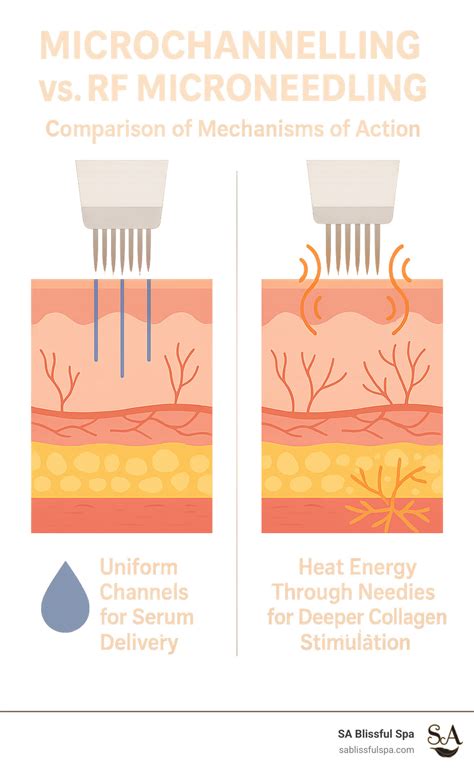
How Does a Dermaroller Work for Hair Loss?
Dermarolling for hair growth is a form of microneedling therapy that has been extensively studied for its tissue regeneration and follicular health improvement capabilities. When used appropriately, a dermaroller offers several key benefits:
- Increased Blood Flow: It boosts circulation to the scalp, ensuring hair follicles receive adequate oxygen and nutrients.
- Collagen Boost: It stimulates collagen production, which strengthens hair follicles and enhances overall scalp health.
- Enhanced Product Absorption: It significantly improves the absorption of topical treatments like minoxidil, rosemary oil, or caffeine-based serums, making them more effective.
- Reduced Inflammation: It can help to mitigate dermatitis or inflammation, which are often contributing factors to alopecia.
Studies indicate that microneedling, when used in conjunction with established hair growth treatments, can yield considerably better outcomes than using these products in isolation.
How to Use a Dermaroller for Hair Growth: A Step-by-Step Guide
Proper technique and consistent frequency are paramount when using a dermaroller for hair loss to achieve noticeable regrowth and avoid potential side effects. The following guide details the preparation, application, and aftercare necessary for optimal results.
1. Preparing Your Scalp Before Dermarolling
To minimize the risk of irritation or infection, maintaining proper scalp hygiene is essential:
- Wash Your Hair: Use a gentle, sulfate-free shampoo to remove oil, dirt, and product buildup.
- Dry Thoroughly: Ensure your hair and scalp are completely dry before using the dermaroller, as wet skin is more sensitive and prone to irritation.
- Sanitize Your Dermaroller: Soak the dermaroller in 70% isopropyl alcohol for 5-10 minutes to kill bacteria and prevent infections.
- Disinfect Your Hands: Wash your hands thoroughly to avoid transferring bacteria to your scalp.
2. How to Apply the Dermaroller on the Scalp
The technique employed during dermarolling significantly impacts scalp stimulation and irritation levels:
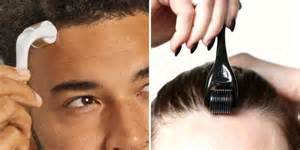
- Starting Point: Begin at the front hairline and roll the dermaroller backward towards the crown of your head.
- Sectioning: Divide your scalp into manageable sections (e.g., left side, right side, back, crown) and treat each section individually.
- Rolling Directions: For each section, roll the dermaroller in four distinct directions:
- Vertically (front to back)
- Horizontally (side to side)
- Diagonally (left to right)
- Diagonally (right to left)
- Pressure: Apply gentle pressure - enough to feel slight stimulation but not pain. Avoid pressing too hard, as this can cause unnecessary trauma.
- Repetitions: Roll each area 5-10 times before moving to the next section.
3. How Often Should You Use a Dermaroller for Hair Growth?
The recommended frequency for dermarolling depends on the size of the microneedles:
- 0.25 mm needles: Every other day
- 0.5 mm needles: 2-3 times per week
- 1.0 mm needles: Once per week
- 1.5 mm needles: Once every 10-14 days
Important Note: Avoid overusing the dermaroller. Your scalp requires adequate time to heal and regenerate new cells. Excessive use can lead to inflammation and potential damage to hair follicles.
4. Aftercare Matters
Following dermarolling, your scalp is in a highly absorbent state, making post-treatment care critical for preventing irritation and maximizing hair growth:
What to Do After Dermarolling:
- Sanitize your dermaroller by soaking it in 70% isopropyl alcohol for 5-10 minutes.
- Avoid touching your scalp with dirty hands for at least a few hours.
- Wait at least 24 hours before applying harsh hair products like shampoo, conditioner, or styling gels.
- Use a clean pillowcase to prevent bacteria from irritating your scalp overnight.
What to Avoid After Dermarolling:
- Alcohol-Based Products: These can cause severe dryness and irritation.
- Harsh Shampoos (Sulfates & Parabens): These can strip the scalp and delay healing.
- High-Dose Retinol or Acids (AHA/BHA): These can make the scalp overly sensitive.
- Excessive Heat: Avoid hair dryers on high heat, saunas, and prolonged sun exposure, as these can worsen irritation.
Where Can Dermarolling Be Applied?
Dermarolling is a versatile treatment applicable to various areas of the body for different concerns:
- Scalp: Primarily used to stimulate hair growth.
- Face: Widely used in skincare to boost collagen, reduce fine lines, and improve skin texture.
- Beard Area: Stimulates thicker beard growth, similar to its effect on the scalp.
- Stretch Marks & Cellulite: Can help improve the appearance of these skin conditions.
Benefits & Limitations of Dermarolling
Dermarolling offers several advantages, but it's also important to be aware of its limitations:
Benefits:
- Stimulates Hair Growth
- Boosts Collagen Production
- Cost-Effective and Non-Invasive
Limitations:
- Results Take Time: Visible improvements require consistent use over several months.
- Potential Side Effects: Improper technique or excessive rolling can lead to irritation or infection.
- Not Effective for Severe Baldness: Completely bald areas may necessitate alternative treatments like hair transplants.
Dermarolling Timeline for Hair Growth
Consistent dermarolling yields visible improvements over time:
- Week 1-2: Mild redness, tingling, and possibly slight shedding (a normal part of the renewal process).
- Month 1-2: Increased scalp circulation, slight thickening of existing hair, and improved skin texture.
- Month 3-4: Noticeable reduction in hair shedding, appearance of new baby hairs, and smoother, firmer skin.
- Month 5-6: Significant improvement in hair density, stronger hair strands, and reduced bald patches.
I Regrew My Hairline
Dermaroller and Hair Growth Products for Optimal Results
The micro-injuries created by a dermaroller allow active ingredients from hair growth products to penetrate deeper into the scalp, significantly enhancing their effectiveness. However, it's crucial to use appropriate products and follow specific application guidelines.
1. Minoxidil (e.g., Rogaine)
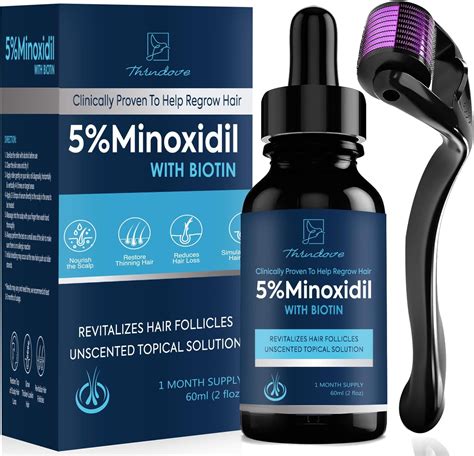
Minoxidil is an FDA-approved treatment for androgenetic alopecia. When combining it with dermarolling:
- Wait: Allow at least 12-24 hours after dermarolling before applying minoxidil.
- Application: Apply 1 ml of minoxidil solution directly to the scalp and massage gently.
- Frequency: Use twice daily (morning and night) on non-dermarolling days.
Warning: Do NOT apply minoxidil immediately after dermarolling if using a 1.0 mm or longer needle, as it can cause severe irritation, burning, and excessive absorption.
2. Rosemary Oil
Rosemary oil has shown comparable effectiveness to minoxidil in promoting hair growth with fewer side effects.
- Wait: Apply rosemary oil 6-12 hours after dermarolling.
- Application: Mix a few drops of pure rosemary oil with a carrier oil (like jojoba or castor oil) and massage into the scalp.
- Frequency: Use daily or at least 3-4 times per week for best results.
3. Caffeine-Based Serums
Caffeine acts as a DHT blocker, stimulating blood flow to hair follicles and prolonging the growth phase.
- Application: Apply immediately after dermarolling, massaging a few drops into the scalp.
- Frequency: Use once daily, preferably in the morning.
4. Peptide-Based Serums (Copper Peptides, Redensyl)
Peptides like copper peptides, Redensyl, and Procapil are advanced ingredients that:
- Stimulate stem cells in hair follicles for regrowth.
- Increase blood circulation and nutrient supply for stronger hair.
- Reduce scalp inflammation, fostering a healthy hair growth environment.
- Application: Apply immediately after rolling, as peptides are generally safe and non-irritating.
- Frequency: Use once daily (morning or night).
- Combination: Best used with minoxidil or natural oils for enhanced effects.
Caution: Avoid synthetic peptides containing harsh preservatives, as they can cause scalp irritation.
An Optimal Dermarolling & Hair Growth Routine
To maximize results, consider the following weekly schedule:
- Monday: Dermarolling (1.0 mm) + Peptides/Hyaluronic Acid
- Tuesday: Minoxidil / Rosemary Oil + Caffeine Serum
- Wednesday: Rest day (scalp recovery)
- Thursday: Minoxidil / Rosemary Oil + Peptides
- Friday: Dermarolling (0.5 mm) + Peptides/Hyaluronic Acid
- Saturday: Minoxidil + Caffeine Serum
- Sunday: Scalp massage with essential oils (rosemary, castor oil)
Stick to this regimen for at least 3-6 months to observe significant improvements in hair thickness and regrowth.
How to Choose the Best Dermaroller Size
The microneedle length is a critical factor in selecting a dermaroller for scalp use:
- 0.5 mm: Best for beginners; safest and easiest to use.
- 1.0 mm: More effectively stimulates hair follicles; suitable for moderate hair thinning.
- 1.5 mm: Provides deep stimulation for significant hair loss; use cautiously (once a week or less).
Recommendation: Avoid dermarollers with needles longer than 1.5 mm for at-home use. Limit use to 2-3 times per week to allow adequate scalp recovery and prevent damage.
Frequently Asked Questions About Dermarolling
Is dermarolling painful?
It typically causes mild discomfort rather than extreme pain. Longer needles (1.0 mm+) might benefit from a numbing cream for a more comfortable experience. Proper technique helps minimize discomfort.
Can I apply oil immediately after dermarolling?
Yes, but only soothing oils like rosemary or jojoba oil. Avoid harsh or alcohol-based products (like minoxidil) for at least 12-24 hours to prevent irritation.
What is the best oil for a dermaroller?
Rosemary oil (stimulates hair growth), jojoba oil (hydrates the scalp), and castor oil (strengthens hair) are excellent choices. Avoid thick or comedogenic oils that might clog pores.
When will I see results?
Visible hair growth typically starts to appear within 3-6 months of consistent use.
What are the results of 1 month of dermarolling?
After one month, you might notice improved scalp circulation and slightly thicker existing hair. However, significant new hair growth usually becomes apparent after 3-6 months of consistent application.
Are dermaroller results permanent?
No, maintenance is required. Hair growth can reverse if you discontinue dermarolling and supporting treatments. Consistency is key for long-term results.
What are the side effects of dermaroller on hair?
Potential side effects include mild redness, irritation, temporary shedding, and scalp sensitivity. Improper use or poor hygiene can lead to infection or exacerbate hair loss.
How to clean a dermaroller at home?
- Rinse the dermaroller with warm water.
- Soak it in 70% isopropyl alcohol for 5-10 minutes.
- Air dry completely before storing.
- Never share your dermaroller.
How to dermaroll a hairline?
Start at the front of the hairline and roll backward, ensuring you cover all directions (vertical, horizontal, and diagonal) for comprehensive stimulation.
Dermarolling for Skin Rejuvenation
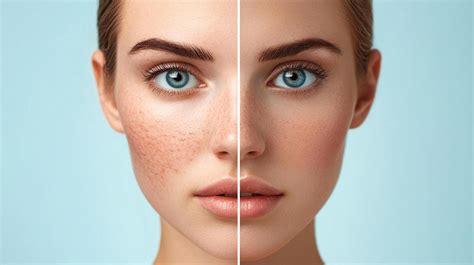
Dermarolling, also known as microneedling or collagen induction therapy, was initially performed by dermatologists. Today, it's also a popular at-home treatment for improving skin appearance. The process involves creating microscopic wounds that stimulate the body's natural healing response, leading to increased collagen and elastin production.
When the dermaroller punctures the skin, it creates controlled micro-injuries. This triggers the release of growth factors, formation of new blood vessels, and increased collagen synthesis. Research indicates that just four microneedling sessions, spaced a month apart, can lead to a significant increase in collagen production.
Originally used for treating facial scars and skin rejuvenation, dermarolling is now employed at home to combat signs of aging such as loss of skin firmness, fine lines, and wrinkles. It can also help reduce pore size, manage oily skin by reducing sebum production, and improve the appearance of stretch marks.
How to Dermaroll Your Face
For those using a dermaroller at home on their face, follow these steps precisely:
- Disinfect Your Roller: Soak the dermaroller in 70% isopropyl alcohol for 5-10 minutes.
- Prepare Your Skin: Cleanse your face thoroughly with a gentle, pH-balanced cleanser. If using needles longer than 0.5 mm, wipe your face with 70% isopropyl alcohol before rolling. Inspect your face for any open sores or acne and avoid dermarolling these areas until the skin is fully healed to prevent infection.
- Apply Numbing Cream (if needed): For needles above 1.0 mm, numbing cream might be necessary, especially if you have a low pain tolerance. Follow the manufacturer's instructions and ensure it's completely wiped off before rolling.
- Begin Dermarolling: Divide your face into sections (e.g., forehead, cheeks, under eyes, around the mouth). Roll in one direction about four times per section, lifting the roller after each pass to prevent "tram track" scarring. After completing one direction, repeat the process in the perpendicular direction. Avoid rolling in shaded areas like the orbital bone (eye sockets).
- Rinse Your Face: After microneedling, rinse your face with water only.
- Clean Your Dermaroller: Clean the roller with unscented detergent and water, ensuring it doesn't hit the container sides.
- Disinfect Again: Soak the roller in a separate bowl of 70% isopropyl alcohol for 10 minutes. Let it air dry and store it in its case.
- Continue Skincare: Follow up with a basic, gentle skincare routine. Avoid chemical exfoliants or active ingredients like benzoyl peroxide, salicylic acid, or tretinoin immediately after treatment.
Frequency for Facial Dermarolling: The frequency depends on needle length. Generally, use shorter needles more often and longer needles less frequently, always allowing the skin to fully recover between sessions.
Who Should Avoid Dermarolling?
It's advisable to avoid dermarolling if you:
- Have a history of blood-clotting problems.
- Are taking blood thinners.
- Have skin conditions like eczema, sunburn, or cold sores.
- Have moles, skin inflammation, or rosacea in the treatment area.
Tips for Better Dermarolling Results
- Supplements: Consider taking vitamin A and C supplements at least a month before treatment to boost collagen production.
- Post-Treatment Care: Apply skin serums or anti-aging moisturizers after treatment.
- Sun Protection: Use sunscreen diligently in the days following use, as skin may be more sensitive to the sun.
- Consistency: Repeat treatments as recommended, keeping the dermaroller away from the eye area and never sharing the device.
Choosing a Dermaroller
When selecting a dermaroller, buy from a trusted retailer. Home care dermarollers typically have needle lengths less than 1.5 mm. While dermatologists use devices with varying needle lengths, some of these are not available to the public and can be dangerous for at-home use.
Microneedling Benefits: Reduced wrinkles and stretch marks, diminished acne scarring and skin discoloration, increased skin thickness, facial rejuvenation, and enhanced product absorption.
For those seeking at-home solutions for these concerns, microneedling might be an option. However, it is often best performed by a skincare professional.
tags: #how #to #use #a #dermaroller