Clay masks have been a staple in skincare routines for centuries, revered for their ability to enhance skin and hair health. Typically composed of various types of clay, such as kaolin or bentonite, these masks are believed to offer a range of benefits, including absorbing excess oil, managing dry skin, and helping to prevent acne breakouts.
While much of the evidence supporting their efficacy is anecdotal, scientific research has begun to explore and validate these claims. This article delves into the potential benefits of clay masks for both skin and hair, alongside potential side effects and proper usage guidelines.
Potential Benefits of Clay Masks for Skin
Clay masks are recognized for their oil-absorbing properties, which can be particularly beneficial for managing oily skin and preventing common forms of acne like pimples, blackheads, and whiteheads. These types of acne often form due to clogged pores filled with excess dirt and oil.
For treating blackheads and other acne spots, a mixture of clay powder and warm water is often recommended. The warmth can enhance perspiration, aiding in the release of oil and dirt from the skin. However, for more severe cases of cystic acne, consulting a doctor for appropriate treatment is advised, as clay masks may not address the underlying hormonal causes of such conditions.
Managing Oily Skin
By drawing excess oil away from the pores, clay masks can be a valuable tool for individuals with oily skin. Green clay, in particular, is often cited for its effectiveness in drying out the skin. Regular application of a clay mask, once or twice a week, can help manage excessive oil production for those with naturally oily complexions.

Potential Effects on Other Skin Conditions
While research specifically on clay masks for conditions like psoriasis, rosacea, and eczema is limited, many users report that these masks help alleviate their symptoms. Furthermore, studies have indicated that bentonite clay may assist in the treatment of ulcers and cuts.
Anti-Aging and Moisture Retention
Some research suggests that clay masks might stimulate the production of collagen fibers, potentially reducing wrinkles and improving skin firmness. Red clay is sometimes recommended for dry skin, as the hardening mask can create a film that helps the skin retain moisture. However, it's important to note that short-term use may not lead to significant changes in skin firmness.
Caution: Overusing clay masks can lead to dryness and irritation, especially for those with already dry skin. Limiting use to a maximum of once per week might be advisable in such cases.
Understanding Bentonite Clay
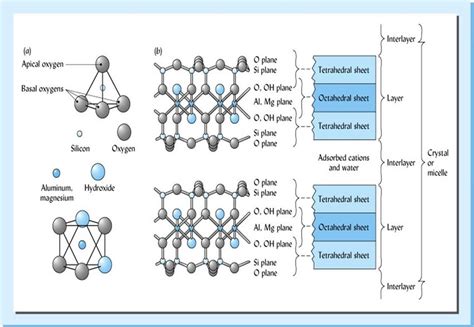
Bentonite clay, derived from volcanic ash and named after its discovery in Wyoming, is a frequently studied type of clay. Its negative electrical charge is thought to help it bind with positively charged toxins and heavy metals, such as mercury and lead, which are present in environmental pollution.
Research has highlighted several ways bentonite clay may benefit the skin:
- Reducing excessive moisture
- Protecting the skin from toxins
- Helping to reduce acne
- Improving symptoms of dermatitis
- Improving symptoms of diaper rash
Clay Masks for Hair Health
Evidence for the benefits of clay masks on hair health is largely anecdotal. However, some believe that clay can effectively remove dirt and oil from the scalp, thereby improving hair condition. This is thought to be beneficial for issues such as:
- Dandruff
- Dry and damaged hair
- Frizziness
- Heat damage
It is a common myth that clay can accelerate hair growth. This misconception may stem from a study on sheep that showed improved wool production when fed bentonite, but there is no scientific evidence to support increased hair growth in humans from clay mask usage.
Potential Side Effects and How to Avoid Them
Serious side effects from using clay masks are rare. The most common issues arise from overuse or leaving the mask on for too long, which can lead to dry or irritated skin. It is generally recommended to limit clay mask usage to no more than twice per week.
Some clay masks may contain additional ingredients, such as glycolic acid, that could potentially irritate the skin. The most likely side effects include:
- Dryness
- Itchiness
- Redness
- Rash
How to Use a Clay Mask Correctly
Proper application and removal are crucial for maximizing the benefits and minimizing the risks associated with clay masks. Here’s a general guideline:
- Scoop out approximately a quarter-sized amount of clay from its container.
- Spread the clay evenly across your face, starting from the upper neck and moving upward.
- Leave the mask on for about 15 minutes.
- Remove the mask using lukewarm water or a damp facecloth.
Important Note: It is crucial not to let a clay mask dry out completely. Allowing the mask to fully harden can draw moisture from the skin, leading to dehydration and irritation. The mask should be removed when it starts to dry and feels slightly sticky, rather than when it becomes a completely dry, flaky shell. This "touch test" ensures that the mask is still in its beneficial damp or early drying phase, allowing the skin to absorb minerals without excessive moisture loss.
Skin Care Routine - How To Apply a Clay Mask | SkinCeuticals
Clay masks are readily available for purchase online or at cosmetic stores.