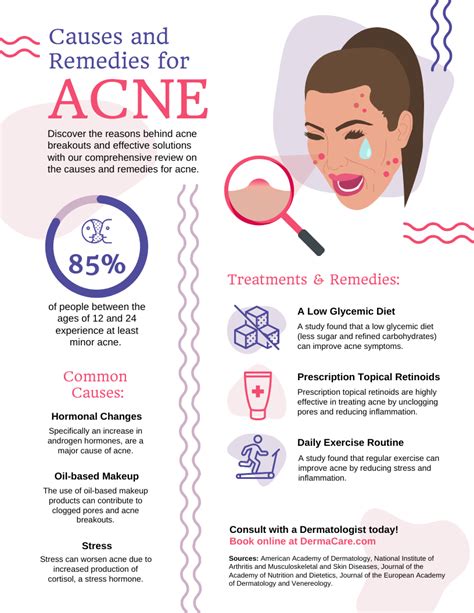
Acne is a common skin condition that affects a significant portion of the population, particularly those between the ages of 12 and 24. It is an inflammatory disorder of the skin where the oil glands connected to hair follicles become inflamed, leading to the formation of pimples. While the exact cause is not fully understood, genetic and environmental factors play a crucial role. Understanding how to manage and treat pimples is essential for maintaining clear skin and boosting self-confidence.
Understanding Pimples and Acne
Pimples, also known as zits, are small, red bumps that can be filled with pus. They typically appear on the face, but can also form on the back, chest, and other areas of the body. Acne severity can range from mild blackheads and whiteheads to more severe cystic acne, which involves swollen bumps forming deep within the skin.
The formation of pimples is often linked to one or more of the following factors:
- Plugging of hair follicles: Dead skin cells can accumulate and clog pores, creating a breeding ground for bacteria.
- Hormonal fluctuations: Hormones can stimulate the sebaceous glands to produce excess oil (sebum), which can lead to clogged pores.
- Bacterial infection: Bacteria naturally present on the skin can enter clogged pores and cause inflammation.
While some pimples resolve on their own within a few days to a week, others, particularly deep cystic acne, can persist for several weeks or even months without treatment.
Immediate Steps When You Feel a Pimple Coming
When you first notice the tell-tale signs of an impending pimple, such as tenderness or a small bump, there are several immediate actions you can take to manage the situation and promote healing.
1. Spot Treatment
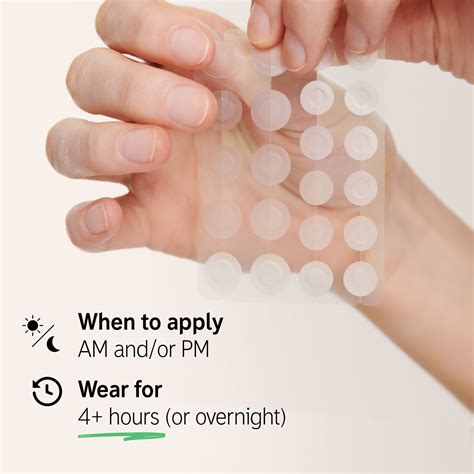
For surface-level pimples that are filled with pus and oil, hydrocolloid patches can be very effective. These patches absorb excess fluid and toxins trapped beneath the skin while also protecting the pimple from external bacteria and preventing you from picking at it. For best results, it's important to change these patches regularly. They create a moist, clean environment that is ideal for healing.
2. Ditch the Makeup
While the temptation to cover up a developing pimple with makeup is strong, doing so can often exacerbate the problem. Makeup can clog pores further and introduce dirt and bacteria, making the situation worse. Instead, give your skin a thorough, gentle cleanse to remove all traces of dirt and makeup. Keeping the area clean is crucial. Some dermatologists recommend using rubbing alcohol sparingly on the area to minimize bacteria, but be aware that this can dry out the skin.
3. Apply a Warm Compress
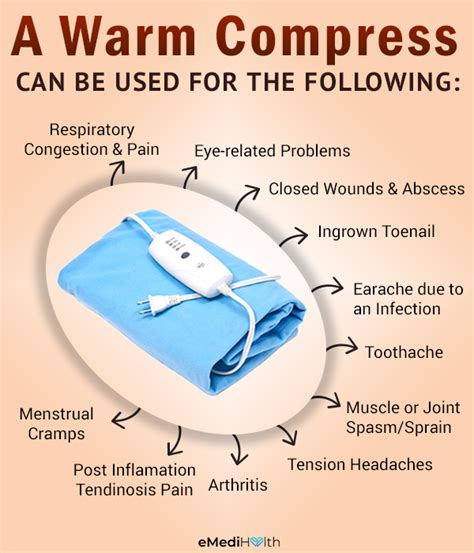
If pus has collected at the head of a pimple, resist the urge to pinch or squeeze it, as this can worsen inflammation and lead to scarring. Applying a warm compress is a better approach. The warmth can encourage pores to open, which helps to relieve pressure and draw out the pus. A warm towel or a steam machine can be used for this purpose. Ensure the water is warm, around 95 degrees Fahrenheit (35 degrees Celsius), and not hot.
4. Consider Ice for Swelling
Cold temperatures can help reduce inflammation and swelling associated with pimples by constricting blood vessels. While ice may not stop a breakout entirely, it can be beneficial if the area is particularly swollen. Applying an ice pack, wrapped in a light towel, can relieve inflammation, making the affected area appear smaller and less red. For deep pimples, applying ice for 5 to 10 minutes, followed by a 10-minute break and repeating, can be effective.
Long-Term Strategies and Treatments
Beyond immediate interventions, incorporating certain treatments and lifestyle adjustments into your routine can help prevent pimples from forming and manage existing breakouts.
1. Rev Up Your Retinol Routine
Retinol, a derivative of vitamin A, is highly effective in preventing and treating pimples. It works by increasing the skin's cell turnover rate, which helps to shed dead skin cells that can clog pores. Regular use of retinol can keep pores clear and reduce the likelihood of breakouts.
2. Utilize Clay Masks
Clay masks are excellent for treating pimples as they help to dry out spots and draw out impurities. Clay absorbs excess oil that may be clogging pores, thus speeding up the healing process. For individuals with drier skin, it's advisable to use clay masks as spot treatments or only on oily areas like the T-zone.
3. Incorporate Exfoliating Agents
Stronger treatments can be beneficial for persistent breakouts. Alpha hydroxy acids (AHAs), such as lactic acid and glycolic acid, can help dry up breakouts. Other effective ingredients include benzoyl peroxide, which is antibacterial, and salicylic acid, which is excellent for unclogging pores. These ingredients are often found in over-the-counter acne products.
4. Hydrocortisone for Inflammation
Hydrocortisone cream is an anti-inflammatory agent that can help reduce redness and calm a developing pimple. While dermatologists can administer cortisone shots for severe cystic acne, over-the-counter hydrocortisone cream offers a more accessible and affordable option for dabbing onto incoming breakouts.
5. Balance Oil with Oil (for Oily Skin)
For individuals with oily skin, the idea of applying more oil might seem counterintuitive. However, certain facial oils can help balance sebum production and clarify the skin. Products containing ingredients like CBD, blue tansy, tea tree oil, and niaouli oil can help clarify skin by balancing oil production and soothing redness. These can be incorporated into a regular skincare routine or used for spot treating.
6. Stay Hydrated
Adequate water intake is often underestimated in its role in skin health. Staying hydrated helps to balance the oil content on the skin, which can lead to clearer pores and fewer pimples. Keeping a water bottle handy throughout the day encourages consistent hydration.
Over-the-Counter and Prescription Medications
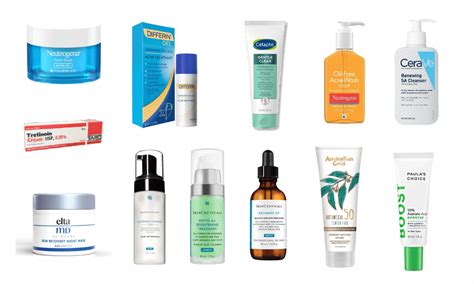
For milder cases of pimples, nonprescription medications can be very effective. These often contain active ingredients such as:
- Azelaic acid: Kills microorganisms on the skin and reduces swelling.
- Benzoyl peroxide: Kills acne-causing bacteria and helps unclog pores. Available in various concentrations, with lower levels being less irritating.
- Retinoids (vitamin A derivatives): Help prevent clogged pores and increase cell turnover. Side effects like skin color changes or peeling can be managed by using them every other day or with a moisturizer.
- Salicylic acid: Dissolves dead skin cells to prevent hair follicles from becoming clogged. Available in cleansers and lotions.
If pimples do not improve with over-the-counter treatments, a healthcare provider may recommend prescription medications, including antibiotics to reduce inflammation and kill bacteria, or oral hormone replacements. Other professional treatments may include chemical peels, laser skin resurfacing, and microdermabrasion, though these should be discussed with a dermatologist as they can sometimes be irritating.
Home Remedies and Lifestyle Factors
Several home remedies and lifestyle adjustments can also contribute to managing and preventing pimples.
- Tea tree oil: Has antibacterial properties and can be applied directly to pimples.
- Sugar or salt scrubs: Can exfoliate dead skin cells, but should be used gently to avoid irritation.
- Green tea: Wet leaves can help reduce oil production and act as an antioxidant.
- Diet: While the link between diet and acne is not definitively clear, maintaining a balanced diet rich in fruits, vegetables, protein, and healthy fats is generally beneficial for skin health. Some research suggests a link between dairy intake and acne, and reducing sugar and carbohydrate intake may decrease breakouts.
- Stress management: High stress levels can lead to increased cortisol, which may exacerbate acne.
- Sleep and exercise: Getting regular quality sleep and engaging in regular exercise are important for overall health, including skin health.
What Not to Do
Certain actions can worsen pimples and hinder the healing process:
- Popping or squeezing pimples: This can introduce bacteria, cause infection, irritate the skin, and lead to scarring. Pimple-popping tools should only be used by professionals.
- Scrubbing the skin aggressively: This can promote more acne and increase inflammation.
- Using harsh exfoliants or brushes: These can worsen acne by causing further inflammation.
- Touching your face with unwashed hands: This transfers dirt and bacteria, leading to clogged pores.
- Wearing heavy, greasy makeup: Opt for water-based, oil-free, and non-comedogenic products.
When to Seek Professional Help
While many pimples can be managed with at-home care and over-the-counter products, it's important to consult a healthcare provider or dermatologist in certain situations:
- If your acne does not improve after 6 to 8 weeks of using over-the-counter products.
- For moderate to severe acne.
- If you have scarring.
- If pimples itch, burn, ooze, or resemble blisters.
- If pimples occur only around the mouth, or are accompanied by irregular menstrual periods, patches of darker skin, or hair loss.
- If large bumps or cysts form under the armpits or around the groin.
- If a blemish changes shape, size, or color rapidly.
- If pimples are affecting your self-esteem, self-confidence, or mental well-being.
A dermatologist can identify the type of pimple, determine the best course of treatment, and prescribe medications or recommend procedures if necessary. They can also help manage acne scars.