Incorporating an acid exfoliator into your skincare routine is a crucial step for achieving a healthy and radiant complexion. Understanding when and how to exfoliate is key to maximizing its benefits. You can exfoliate your face as part of your morning or evening skincare routine, whichever best suits your personal schedule and skin's needs.
Cleansing and exfoliating are widely considered non-negotiable elements of an effective skincare regimen. They work harmoniously to promote a healthy, glowing complexion. Just as you understand the importance of layering products in a specific order to optimize their effects, the sequence of cleansing and exfoliating is imperative. Cleansing twice daily not only removes impurities and helps prevent blemishes but also prepares your skin to better absorb subsequent skincare products and supports skin rejuvenation. Regular use of a facial cleanser effectively purges the skin of impurities and dead cells, thereby reducing the likelihood of breakouts.
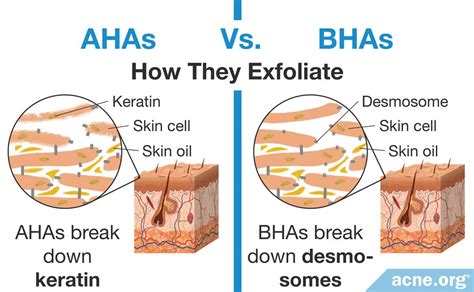
Exfoliation works by sloughing off dead skin cells from the outermost layer of the skin’s surface. This process reveals fresher, more vibrant skin underneath and improves overall skin texture. Chemical exfoliants, in particular, require simple application and utilize hydroxy acids, such as alpha hydroxy acid (AHA) and beta hydroxy acid (BHA), which act as natural exfoliants. These ingredients also stimulate skin cell turnover and can enhance skin elasticity and contribute to a more luminous skin tone.
The accumulation of dead skin cells, which tends to accelerate with age, can exacerbate skin conditions like fine lines, wrinkles, age spots, and acne. Therefore, using exfoliating products can significantly benefit your skin's condition.
The Importance of Cleansing Before Exfoliating
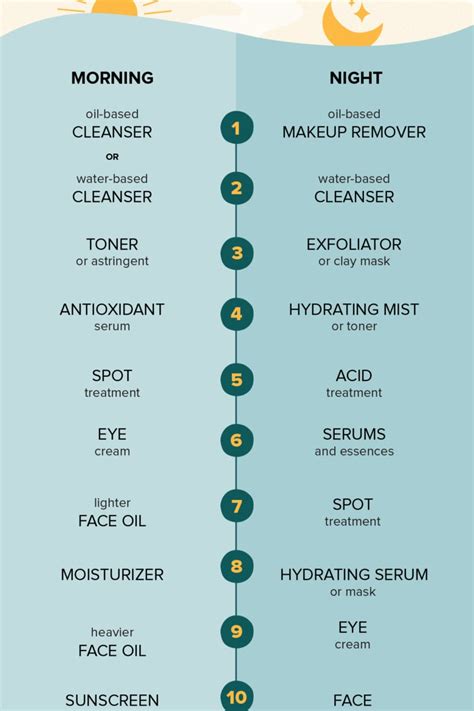
Cleansing your face before exfoliating is a cornerstone of a smart skincare routine. By sweeping away surface debris, you allow exfoliants-whether chemical or physical-easier access to the dead skin cells they are designed to remove. Exfoliating before cleansing, conversely, may prove to be more detrimental than beneficial in the long run. While cleansing and exfoliating are sometimes used interchangeably, it's essential to remember that exfoliating does not function as a cleanser. Ideally, on days you exfoliate, you should cleanse first to unclog pores, then exfoliate to remove dead cells, and finally follow up with a nourishing moisturizer. If exfoliating in the morning, applying sunscreen is a vital step.
Understanding Different Types of Exfoliants
There are two primary types of exfoliation: physical and chemical. Physical exfoliants include tools like brushes, face scrubs, gloves, and sponges. Even a washcloth can serve as a physical exfoliant. Chemical exfoliation, on the other hand, utilizes acids, such as alpha hydroxy acids (AHAs) and beta hydroxy acids (BHAs). Glycolic acid and lactic acid are common AHA chemical exfoliating ingredients, while salicylic acid is a popular BHA.
The choice between a chemical or physical exfoliant depends on your skin type, how well you tolerate the exfoliant, and your specific skincare goals. Exfoliants are often integrated into anti-aging regimens and used to help prevent breakouts. Finding the most effective type of exfoliant for you may involve some experimentation. If one type causes irritation, it is advisable to switch to another.
Chemical Exfoliants: AHAs and BHAs
Alpha-Hydroxy Acids (AHAs)
Once an initial layer of dead cells is removed, acids can further refine the skin's surface and address pores. For individuals with non-reactive skin, applying an acid-spiked serum after mechanical exfoliation is often suggested. Among the various acids available, water-soluble alpha-hydroxy acids (AHAs) are preferred. AHAs gently loosen the upper layers of the skin, creating a mild peeling effect that helps to diminish pigmented spots and even out rough or bumpy patches.
For those with sensitive skin, milder AHAs like lactic acid can provide exfoliating benefits in a gentler manner. Mandelic acid is also a notable option due to its larger molecular size, which leads to slower absorption and is beneficial for sensitive skin. Some formulations pair mandelic acid with skin-barrier-supporting niacinamide to prevent dryness.
For a more intensive treatment or for mature complexions, glycolic acid, with its smallest molecular weight among AHAs, penetrates the deepest. It can help build collagen and improve skin texture and tone. It is advisable to start with a low concentration of glycolic acid and gradually increase the strength as tolerated. For beginners, a 7% glycolic acid solution can be a good starting point, being light and easy to incorporate into a routine.
Beta-Hydroxy Acids (BHAs)
Beta-hydroxy acids (BHAs) are oil-soluble and penetrate deeper into the pores than AHAs. They work to clear excess debris and sebum. Azelaic acid is a notable BHA that, due to its high molecular weight, effectively kills bacteria while also reducing redness and swelling, making it suitable for treating acne and rosacea. Oily and acne-prone skin types can typically tolerate stronger chemical exfoliants and use them more frequently. This includes salicylic acid, which can penetrate deep into pores to unclog congestion, even out skin tone, and smooth the skin's surface. Salicylic acid can be drying, so ensuring adequate moisturization is important. BHAs are not known to cause sun sensitivity, allowing for use day or night.
AHA/BHA Blends
For a more streamlined approach to chemical exfoliation, formulas that combine AHA and BHA acids in one multitasking product offer a convenient option. These blends often contain a variety of complexion-brightening ingredients and protective antioxidants, making them well-rounded choices for skincare.
How Often Should You Exfoliate?
There isn’t a universal rule for exfoliation frequency; it is highly dependent on your individual skin type and its reaction to exfoliants. Here are general guidelines based on skin type:
- Dry and Sensitive Skin: Begin by exfoliating once a week. If your skin tolerates this well, you can gradually increase to twice a week if desired.
- Oily Skin: Two to three times a week is typically sufficient. However, more frequent exfoliation may be possible depending on the method and product used. For instance, using a konjac sponge once or twice a week and a chemical exfoliator on two different days could be an option.
- Combination Skin: Twice a week often works best for this skin type. It’s important to note that combination skin can exhibit both oily and dry, or sensitive and non-sensitive, areas.
- Normal Skin: Two to three times a week is generally adequate for individuals with normal skin.
A gentle way to physically exfoliate is by using a konjac sponge, which can be used two to three times weekly with plain water or your regular cleanser. Physical exfoliants can generally be used by all skin types, though some may prefer chemical exfoliants.
When is the Best Time to Exfoliate?
There is no single "best time" to exfoliate; it depends on the products you use and your personal skincare routine. As a general guideline, AHAs should typically be used at night because they can increase photosensitivity. Physical exfoliants and other chemical exfoliants can be used either in the morning or at night.
It is generally not recommended to exfoliate your face daily. If you notice any signs of irritation, it is best to suspend exfoliating until your skin has recovered. While not strictly necessary, cleansing your face before exfoliating can be beneficial as it removes dirt and grime, creating a clean canvas. Alternatively, exfoliating first removes dead skin cells and debris that can then be washed away during cleansing.
How to Exfoliate Your Skin: A Guide
What Happens if You Over-Exfoliate?
Over-exfoliation can lead to noticeable irritation. When you over-exfoliate, you remove more surface "dead" skin cells than is ideal. This can manifest as a shiny appearance, where light reflects directly off the smooth, flat surface of the over-exfoliated skin. Other signs of overdoing it may include temporary redness, tightness, and dryness. Ideally, the skin's surface should be slightly textured to scatter light and avoid excessive shine.
It is crucial to listen to your skin. The manner in which you exfoliate should be tailored to your skin type and the products you use. For consistent exfoliation, it is best to start slowly and experiment with different products until you find those that align with your skin type and skincare objectives. Discontinue use immediately if you experience irritation, redness, or itchiness. Once your skin has returned to normal, you can consider resuming exfoliation slowly, perhaps with a different product than the one that caused the initial irritation. Remember, every individual's skin is unique, and seeking professional advice for your specific skincare needs is always beneficial.