Glycolic acid is a powerful ingredient widely used in skincare products and treatments. It belongs to the group of alpha hydroxy acids (AHAs) and is renowned for its exfoliating, brightening, and rejuvenating properties. Whether you aim to address acne, reduce signs of aging, or simply refresh your skin's texture, glycolic acid might be the missing component in your routine.
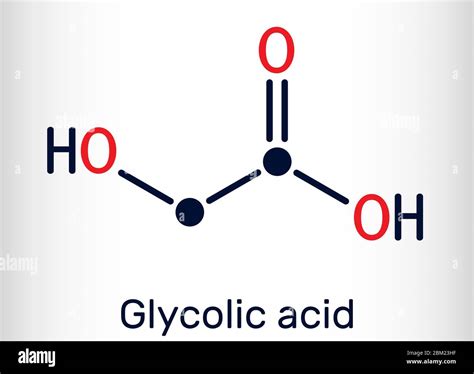
What is Glycolic Acid?
Glycolic acid is a type of AHA derived from sugarcane. It is characterized by its small molecular structure, which allows it to penetrate the skin's surface more easily and deeply compared to other AHAs. This property makes it a highly effective chemical exfoliant.
In its pure form, glycolic acid is odorless and colorless. Cosmetic and pharmaceutical companies often incorporate it into topical products to treat various skin conditions, improve skin texture, and enhance overall appearance. While it occurs naturally in certain fruits, beets, and sugarcane, the glycolic acid used in commercial skincare products is typically synthesized in a laboratory.
Other common AHAs include citric acid (found in citrus fruits), malic acid (found in apples), and lactic acid (found in milk). However, glycolic acid's smaller molecular size often makes it the most potent and effective among them.
Properties of Glycolic Acid
Glycolic acid possesses several key properties that contribute to its efficacy in skincare:
- Exfoliative: As a chemical exfoliant, glycolic acid dissolves the bonds that hold dead skin cells and oils together on the skin's surface. This process removes the outermost layer of skin cells without the need for harsh scrubbing, which can cause irritation.
- Humectant: Glycolic acid acts as a humectant, attracting and binding water to skin cells. It achieves this by increasing the synthesis of glycosaminoglycans, molecules that draw moisture into the skin.
- Antibacterial: Research indicates that at certain concentrations, glycolic acid can inhibit the growth of bacteria.
- Anti-aging: Glycolic acid can counteract some of the processes that lead to visible signs of skin aging. It may help reduce sun damage and boost the production of collagen and hyaluronic acid, substances crucial for skin elasticity and structure.
Benefits of Glycolic Acid for the Skin
The unique properties of glycolic acid translate into a wide range of benefits for the skin:
Smoother Complexion
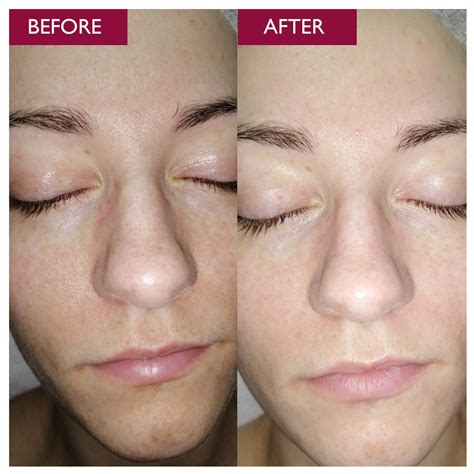
Glycolic acid is a primary ingredient in chemical peels and exfoliating toners because it effectively sloughs off dead skin cells, revealing a new, softer layer of skin underneath. The degree of exfoliation is dependent on the concentration of glycolic acid in the product, with over-the-counter formulations typically ranging from 5% to 10%.
Clearer Pores and Fewer Breakouts
Its potent exfoliating action helps to clear dead skin cells and debris that can clog pores, making it beneficial for managing acne. By unclogging pores, glycolic acid can reduce the occurrence of blackheads, whiteheads, and overall breakouts. It can also help improve the appearance of acne scars.
Reduced Hyperpigmentation and Sun Damage
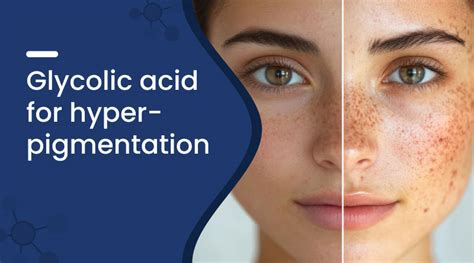
Glycolic acid can effectively address hyperpigmentation, such as sunspots and dark spots caused by acne or sun exposure. By shedding the outer layer of skin cells, it helps to remove excess pigment. Furthermore, some studies suggest glycolic acid may offer a protective effect against UVB rays, potentially preventing photoaging.
Anti-Aging Effects
As skin ages, it can lose its plumpness and elasticity, leading to fine lines and wrinkles. Glycolic acid can combat these signs of aging by:
- Increasing skin levels of hyaluronic acid, which helps maintain skin hydration.
- Stimulating the production of collagen, the main structural protein responsible for skin's elasticity and firmness.
- Increasing fibroblast and keratinocyte proliferation rates, which are vital for skin repair and regeneration.
- Improving the quality of elastin, promoting skin elasticity.
These effects can lead to thicker, plumper-looking skin with improved tone and texture.
Treatment for Warts
Chemical peels containing glycolic acid have been noted as a potential treatment option for warts, which are small, hard growths caused by viruses.
How to Use Glycolic Acid
Incorporating glycolic acid into your skincare routine requires a thoughtful approach to maximize benefits and minimize potential side effects. Here’s how to use it effectively:
Choosing a Product
Glycolic acid is available in various formats, including cleansers, toners, serums, moisturizers, acne treatments, and at-home peels. Leave-on formulas generally provide the best results as they allow the acid more time to work.
For those new to glycolic acid, it's advisable to start with products containing a low concentration, around 5-8%. Over time, you can gradually increase the concentration if your skin tolerates it. Look for products with a pH close to the skin's natural pH (around 4) for gentler application.
Patch Testing and Starting Slowly
Before applying any new product to your face, perform a patch test on a small, inconspicuous area of skin. If no adverse reaction occurs, you can proceed with facial application. Start by using glycolic acid products infrequently, perhaps once or twice a week, and gradually increase the frequency as your skin builds tolerance. Always follow the product's instructions and your healthcare provider's recommendations.
Application Timing
Many experts recommend using glycolic acid products at night. This is because glycolic acid can increase photosensitivity, making your skin more vulnerable to sun damage. Applying it in the evening minimizes this risk.
Sun Protection is Crucial
Due to increased sun sensitivity, daily use of a broad-spectrum sunscreen with at least SPF 30 is non-negotiable when using glycolic acid. Reapply sunscreen every two hours when exposed to the sun. Avoid tanning beds entirely.
Moisturizing After Use
To counteract potential dryness and support the skin barrier, always follow up with a moisturizer after applying glycolic acid, especially if you are using a serum or toner. Look for moisturizers with ingredients like ceramides.
Combining with Other Ingredients
When first starting with glycolic acid, it's often recommended to avoid combining it with other potent active ingredients like retinol, other AHAs (like lactic or salicylic acid), or high concentrations of Vitamin C. This helps to prevent over-exfoliation, irritation, and dryness, and allows you to identify any potential sensitivities. However, some gentle combinations, like glycolic acid with lactic acid, can be found in certain products and may work well together for some individuals.
How To Use The Ordinary Glycolic Acid 7% Toning Solution
Who Should Be Cautious or Avoid Glycolic Acid?
While glycolic acid offers numerous benefits, it's not suitable for everyone. Individuals with the following conditions should exercise caution or consult a dermatologist before use:
- Sensitive skin
- Dry skin
- Rosacea
- Eczema
- Active skin infections
Glycolic acid can potentially cause irritation, redness, itching, swelling, or burning, especially if used too frequently, at too high a concentration, or incorrectly. If any of these symptoms occur, discontinue use and wash the product off immediately. If glycolic acid gets into the eyes, rinse them thoroughly with clean running water.
It is also important to wait until any broken or sunburned skin has healed before applying glycolic acid to the area.
When to Contact a Doctor
If you have ongoing skin conditions, are prone to hyperpigmentation, or are unsure about incorporating glycolic acid into your routine, it is always best to seek guidance from a healthcare professional, such as a dermatologist. They can assess your skin type and condition to provide personalized recommendations on whether glycolic acid is appropriate for you and how to use it safely.