Salicylic acid topical is a common ingredient used to treat a variety of skin conditions, including acne, dandruff, psoriasis, calluses, corns, and warts. It is available in various forms such as gels, lotions, creams, ointments, pads, patches, shampoos, and soaps, and can be purchased both over-the-counter and with a prescription. While effective for its intended uses, it is crucial to understand that salicylic acid is not suitable for mole removal and attempting to do so can lead to serious complications.
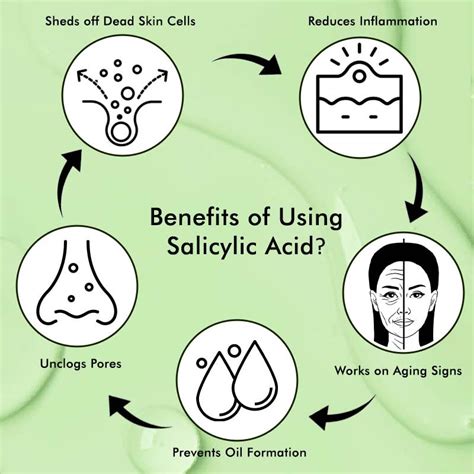
Understanding Salicylic Acid
Salicylic acid works by helping to shed the outer layer of skin. Depending on the dosage form and strength, it is prescribed or recommended for conditions such as:
- Acne
- Dandruff
- Psoriasis
- Seborrheic dermatitis of the skin and scalp
- Calluses
- Corns
- Common warts
- Plantar warts
The medicine is available in many forms, including:
- Gel/Jelly
- Solution
- Pad
- Liquid
- Spray
- Cream
- Ointment
- Foam
- Lotion
- Soap
- Patch, Extended Release
- Bandage
- Shampoo
Precautions Before Using Salicylic Acid
Before using any medication containing salicylic acid, it is important to consider potential risks and benefits. This decision is best made in consultation with a healthcare professional. Key considerations include:
Allergies
Inform your doctor or healthcare professional if you have a history of unusual or allergic reactions to salicylic acid or any other medications. It is also important to disclose any other allergies, such as those to foods, dyes, preservatives, or animals. For over-the-counter products, always read the ingredient list carefully.
Pediatric Use
Young children are more susceptible to the unwanted effects of salicylic acid due to increased skin absorption. They may also be more prone to skin irritation. Therefore, salicylic acid should not be applied to large areas of the body, used for extended periods, or applied under occlusive dressings (air-tight coverings) in children. Its use in children younger than 2 years of age is generally not recommended.
Geriatric Use
While studies have not shown specific problems limiting the usefulness of salicylic acid in the elderly, older patients may have age-related blood vessel diseases that require caution when using this medication.
Breastfeeding
Adequate studies in women to determine infant risk during breastfeeding are lacking. Potential benefits should be weighed against potential risks before using salicylic acid while breastfeeding.
Drug Interactions
Certain medications should not be used together with salicylic acid, while others may be used with dose adjustments or other precautions. It is essential to inform your healthcare professional about all medications you are currently taking. Some medications that have potential interactions include:
- Not recommended for use with: Ketorolac, Probenecid
- Usually not recommended, but may be required in some cases: Abciximab, Aceclofenac, Acemetacin, Amiloride, Amineptine, Amitriptyline, Amitriptylinoxide, Amoxapine, Amtolmetin Guacil, Anagrelide, Apixaban, Ardeparin, Aspirin, Balsalazide, Bemetizide, Bemiparin, Bendroflumethiazide, Benzthiazide, Betrixaban, Bismuth Subsalicylate, Bromfenac, Budesonide, Bufexamac, Bumetanide, Cangrelor, Celecoxib, Certoparin, Chlorothiazide, Chlorthalidone, Choline Magnesium Trisalicylate, Choline Salicylate, Cilostazol, Citalopram, Clomipramine, Clonixin, Clopamide, Clopidogrel, Cyclopenthiazide, Cyclosporine, Cyclothiazide
- May cause increased risk of certain side effects, but may be the best treatment: Acebutolol, Acenocoumarol, Anisindione, Atenolol, Azilsartan, Azilsartan Medoxomil, Benazepril, Betaxolol, Bisoprolol, Candesartan, Captopril, Carteolol, Carvedilol, Celiprolol, Ciprofloxacin, Dicumarol, Enalapril, Enalaprilat, Eprosartan, Esmolol, Fosinopril, Ginkgo, Irbesartan, Labetalol, Levobunolol, Lisinopril, Losartan, Metipranolol, Metoprolol, Moexipril, Nadolol, Nebivolol, Olmesartan, Oxprenolol, Penbutolol, Perindopril, Phenindione, Phenprocoumon, Pindolol, Propranolol
Additionally, discuss with your healthcare professional the use of your medicine with food, alcohol, or tobacco, as these can also cause interactions.
Other Medical Problems
Certain medical conditions may affect the use of salicylic acid. It should be used with caution in individuals with:
- Blood vessel disease or Diabetes: May cause severe redness or ulceration, particularly on the hands or feet.
- Inflammation, irritation, or infection of the skin: Application to these areas may cause severe irritation.
- Influenza (flu) or Varicella (chicken pox): Should not be used in children and teenagers with these conditions due to the risk of Reye's syndrome.
- Kidney disease or Liver disease: Prolonged use over large areas could lead to unwanted effects.
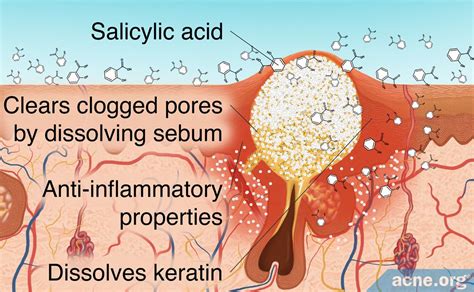
Proper Use of Salicylic Acid
Always use salicylic acid exactly as directed by your doctor or as indicated on the product label. Exceeding the recommended dosage, frequency, or duration of use can increase the risk of absorption and potential salicylic acid poisoning.
General Application Guidelines
- This medicine is for external use only. Avoid contact with eyes, nose, and mouth. Rinse immediately with water if contact occurs.
- For new OTC acne products, perform a patch test on a small area for 3 days to check for discomfort before widespread application.
- If an occlusive dressing is prescribed, follow instructions carefully, as it increases absorption and the risk of poisoning.
- Keep away from eyes and mucous membranes. Flush with water for 15 minutes if accidental contact occurs.
Specific Application Instructions
- Cream, Lotion, or Ointment: Apply to the affected area and rub in gently.
- Gel: Apply wet packs to the affected area for at least 5 minutes before applying gel. Apply enough gel to cover the area and rub in gently.
- Pad: Wipe the pad over the affected areas. Do not rinse off.
- Plaster (for warts, corns, calluses): Follow patient instructions. Do not use on irritated, infected, or reddened skin, or if you are diabetic with poor circulation. Do not use on warts with hair, on the face, genital areas, inside the nose or mouth, or on moles or birthmarks, as this can cause severe irritation. Wash and dry the area thoroughly. Warts may be soaked in warm water. Cut plaster to fit and apply. Follow specific instructions for corns/calluses (up to 14 days) or warts (up to 12 weeks).
- Shampoo: Wet hair and scalp, apply shampoo to lather, rub into scalp for 2-3 minutes, rinse. Apply again and rinse thoroughly. Use once or twice a week for dandruff or seborrheic dermatitis.
- Soap: Work up a lather with hot water and scrub the affected area. For foot baths, soak feet for 10-15 minutes and pat dry without rinsing.
- Topical Solution: Apply with a cotton ball or pad to affected areas. Do not rinse off. For warts, corns, or calluses, this solution is flammable; avoid heat, open flame, and smoking. Follow similar precautions as with plasters regarding skin condition and locations to avoid. Apply one drop at a time, let dry. Follow specific instructions for warts (1-2 times daily up to 12 weeks) or corns/calluses (1-2 times daily up to 14 days). Wash hands immediately after application unless treating hands.
Here's WHY Salicylic Acid is Best For ACNE
Why You Should NOT Use Salicylic Acid on Moles
While salicylic acid is effective for treating warts, corns, and calluses, it is explicitly not recommended for use on moles or birthmarks. Attempting to remove a mole using over-the-counter products, especially those containing salicylic acid, carries significant risks:
Risk of Severe Irritation and Injury
The instructions for many salicylic acid products clearly state not to use them on moles or birthmarks. Doing so can cause severe irritation, redness, and potentially lead to permanent skin damage, scarring, or discoloration.
Misidentification of Skin Lesions
A critical issue when attempting self-treatment of skin lesions is the possibility of misidentification. Most moles, seborrheic keratoses, and skin tags are benign. However, some forms of skin cancer, particularly melanoma, can appear harmless. Attempting to remove a lesion yourself can alter its appearance, making it more difficult for a dermatologist to diagnose accurately. If a lesion is cancerous, removing only part of it can allow it to spread.
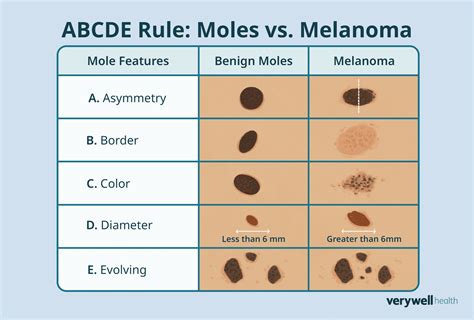
FDA Warnings on Mole/Skin Tag Removers
Many over-the-counter solutions claim to remove moles, seborrheic keratoses, or skin tags. However, the U.S. Food and Drug Administration (FDA) has not approved these products for treating such skin lesions. These products often contain high concentrations of salicylic acid or other potentially harmful substances. They may not effectively remove the lesion or may lead to injury of the surrounding skin, resulting in scarring or discoloration that is more noticeable than the original lesion.
The FDA has received reports of permanent skin injuries and infections from products marketed as mole or skin tag removers, prompting them to advise consumers to avoid these products.
The Safest Approach: Consult a Dermatologist
The best and safest way to address any new or concerning skin growth is to make an appointment with a board-certified dermatologist. They can accurately diagnose the lesion and recommend the most appropriate and safe treatment plan, which may include professional removal if necessary.