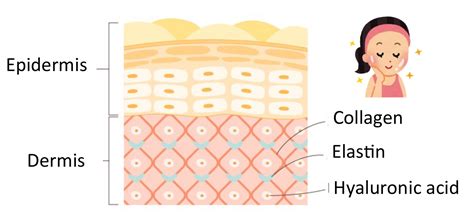
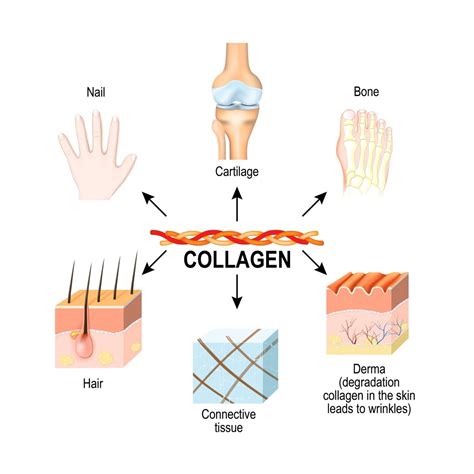
Collagen is the most abundant protein in your body, playing a crucial role in the structure and integrity of various tissues, including bones, muscles, tendons, ligaments, organs, blood vessels, intestines, and skin. As we age, starting in our mid-20s, our body's natural collagen production begins to decline. Factors such as a poor diet can further exacerbate this decrease, leading to visible signs of aging like wrinkles, weakened muscles, stiff ligaments and tendons, joint pain, and digestive issues.
While collagen can be obtained from food sources like pork skin and bone broth, collagen supplements have gained significant popularity. These supplements are often hydrolyzed, meaning the collagen has been broken down into smaller peptides for easier absorption. They are commonly available in powder or capsule form. Most supplements traditionally utilize collagen derived from pig and cow skins. However, an increasing number of individuals are opting for marine collagen, sourced from fish skin, for several compelling reasons.
Understanding Marine Collagen
Marine collagen, also known as fish collagen, is extracted from the skin of fish. It offers a viable option to help replenish the body's declining collagen levels. Beyond its potential anti-aging benefits, which may include reducing wrinkles and alleviating joint issues, marine collagen provides an alternative for individuals with specific concerns regarding other collagen sources.
Advantages of Marine Collagen
- Religious and Ethical Considerations: Some individuals cannot consume collagen derived from pigs and cows due to their religious beliefs. Marine collagen offers a suitable alternative for these groups.
- Concerns about Disease Transmission: There are concerns among some consumers about the potential transmission of diseases, such as mad cow disease, from collagen products derived from land animals. Marine collagen bypasses these concerns.
- Sustainability: The fishing industry often generates a significant amount of unused raw materials, including fish skins. Utilizing these byproducts for marine collagen production offers a more economical and environmentally friendly option for cosmetic and supplement companies, reducing waste.
Health Benefits of Collagen Supplementation
Collagen is a fundamental protein essential for maintaining healthy joints, skin, bones, and muscles. As collagen production naturally decreases with age, supplementation may help mitigate the effects of this decline. Research has identified several science-backed health benefits associated with collagen supplementation:
1. May Improve Skin Health
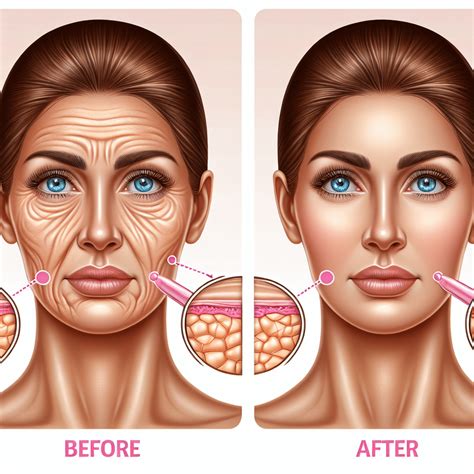
Collagen is a primary component of skin, contributing to its strength, elasticity, and hydration. Reduced collagen levels with age can lead to dryness and the formation of wrinkles. Studies suggest that collagen peptides or supplements can help slow skin aging by reducing wrinkles and dryness. Some reviews indicate that daily intake of collagen for several weeks can improve skin elasticity and hydration by stimulating the body to produce collagen, elastin, and fibrillin. While anecdotal claims exist regarding collagen's benefits for acne and other skin conditions, these are not yet supported by scientific evidence.
2. May Relieve Joint Pain
The natural decrease in collagen with age increases the risk of joint disorders like osteoarthritis. Some studies suggest that collagen supplements may help alleviate osteoarthritis symptoms and reduce overall joint pain. Research indicates that supplemental collagen might accumulate in cartilage, stimulating tissue to produce more collagen, potentially leading to reduced inflammation, improved joint support, and decreased pain. However, further evidence is needed to firmly establish collagen as a treatment for osteoarthritis.
3. May Prevent Bone Loss
Bones are largely composed of collagen. As collagen deteriorates with age, bone mass can decrease, potentially leading to osteoporosis and an increased risk of fractures. Research suggests that collagen supplements may help inhibit bone breakdown. Studies involving postmenopausal women have shown that those taking collagen supplements alongside calcium and vitamin D exhibited significantly lower levels of proteins associated with bone breakdown and less loss of bone mineral density compared to those taking only calcium and vitamin D. Some participants even experienced an increase in bone mineral density.
4. May Boost Muscle Mass
Collagen is a significant component of skeletal muscle. One study involving older men with sarcopenia found that those who took collagen supplements while participating in an exercise program gained significantly more muscle mass and strength compared to those who exercised without collagen supplementation. However, more research is required to confirm collagen's potential to enhance muscle mass.
5. May Promote Heart Health
Researchers theorize that collagen supplements could help reduce the risk of heart conditions. Collagen provides structure to arteries, and a lack of it may lead to reduced flexibility and elasticity, potentially contributing to atherosclerosis (narrowing of arteries). A study in healthy adults showed a significant reduction in artery stiffness and an increase in HDL (good) cholesterol levels after daily collagen supplementation. Further research is needed in this area.
6. May Improve Gut Health
While randomized controlled trials are lacking, some health professionals report that collagen supplements can help manage leaky gut syndrome (intestinal permeability). Individuals have reported positive outcomes, but scientific research is still needed to validate these claims.
7. May Strengthen Hair and Nails
Collagen plays a role in the structure and strength of hair and nails, and supplementation may contribute to their improvement.
8. May Help Maintain Brain Health
Although research on collagen supplements and brain health is limited, some individuals report improvements in mood and reduced anxiety symptoms.
9. May Help Support Weight Loss
Proponents suggest that collagen supplements may aid in weight loss and boost metabolism. However, these claims are not currently supported by scientific studies.
Sources of Collagen and Factors Influencing Production
Collagen is naturally found in animal products. Foods rich in collagen include gelatin, bone broth, connective tissues of animals, chicken skin, pork skin, beef, and fish. Crucially, Vitamin C is vital for collagen synthesis, and foods high in Vitamin C, such as citrus fruits, broccoli, and strawberries, should be included in the diet. Other essential components for collagen production include the amino acids proline and glycine, as well as minerals like zinc and copper.
While collagen can be derived from animal products, the development of vegan collagen alternatives is underway, utilizing genetically modified yeast and bacteria to create proteins similar to collagen. A nutritionally balanced diet rich in fruits, vegetables, and plant-based proteins can also help support the body's natural collagen production.
Collagen Synthesis Steps
Understanding Collagen Types and Aging
There are approximately 28 identified types of collagen, each with specific structures and functions. The main types include:
- Type I: The most abundant type (90%), found in skin, bones, tendons, and ligaments, providing structure and strength.
- Type II: Found in elastic cartilage, offering joint support.
- Type III: Present in muscles, arteries, and organs.
- Type IV: Located in the layers of the skin.
- Type V: Found in the cornea of the eyes, some skin layers, hair, and placental tissue.
As individuals age, collagen production naturally decreases, and existing collagen breaks down more rapidly and at a lower quality. Women experience a significant reduction after menopause, while a general decline in collagen production is observed for everyone after age 60. Factors such as smoking, excessive sugar intake, refined carbohydrates, and prolonged exposure to ultraviolet (UV) light can further damage collagen and accelerate the aging process.
Collagen in Medicine and Cosmetics
Collagen has diverse applications in medicine and cosmetics. It can be used as dermal fillers to smooth wrinkles, in wound dressings to promote healing, in periodontics to aid tissue regeneration, and in vascular prosthetics. While collagen was initially incorporated into skin creams, its large molecular size makes topical application less effective for penetrating the skin's deeper layers. Collagen peptides or hydrolyzed collagen, due to their smaller size, are believed to be more readily absorbed and utilized by the body, whether ingested or used in topical formulations.
Marine vs. Bovine Collagen
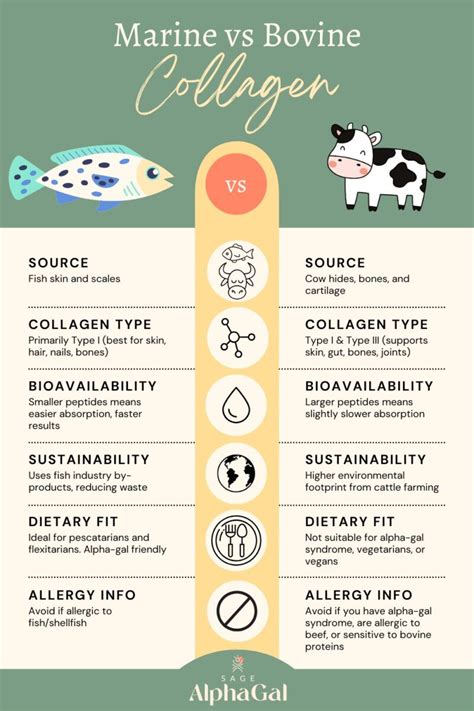
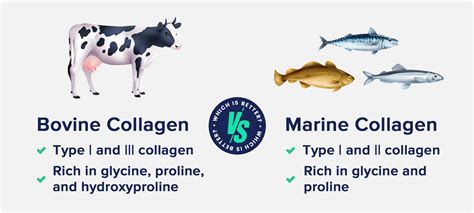
While both marine and bovine collagen are popular supplements, there are distinctions between them. Marine collagen is derived from fish, whereas bovine collagen comes from cows. Some evidence suggests that marine collagen may have higher bioavailability due to its smaller molecular size, making it easier for the body to absorb and utilize. Marine collagen is predominantly composed of Type I collagen, the most abundant type in the human body and crucial for skin, tendons, ligaments, cartilage, and bone. Bovine collagen typically contains Types I and III, while chicken collagen is primarily Type II, relevant to cartilage. The bioavailability of marine collagen, particularly hydrolyzed versions, is noted for its high absorption rate into the bloodstream.
Hydrolyzed Marine Collagen
Hydrolyzed marine collagen undergoes enzymatic hydrolysis, breaking it down into even smaller particles called collagen peptides. These smaller peptides are more readily absorbed by the intestines, leading to a high absorption rate. This process is believed to enhance the effectiveness of marine collagen supplements.
Potential Side Effects and Contraindications
Collagen supplements are generally well-tolerated, with few reported side effects. However, individuals with allergies to fish or shellfish should avoid marine collagen. Those with severe kidney disease should consult their doctor, as collagen supplements contribute to protein intake. Some individuals may experience nausea, bloating, or heartburn, although these are not consistently reported side effects in research. It is crucial to choose reputable brands that use wild-caught fish and are third-party verified to ensure purity and freedom from contaminants, especially heavy metals like mercury, lead, and arsenic, which can accumulate in seafood from polluted waters. Collagen sourced from fish skin is generally preferred over that from bones.
For individuals concerned about kidney stones, it's important to note that collagen supplements contain hydroxyproline, an amino acid that can be converted into oxalate in the body. Excessive oxalate can contribute to kidney stone formation. Therefore, those at risk for kidney stones may want to exercise caution or consult their healthcare provider.
Dosage and Maximizing Benefits
Clinical reviews suggest that a daily intake of 2.5â15 grams of hydrolyzed collagen peptides is generally effective. Many sources recommend at least 5,000 mg (5g) per serving to notice benefits. To potentially enhance the effects of marine collagen, consider combining it with supplements like Vitamin C, which is essential for collagen synthesis, or protein powder. Emerging research suggests that hydrolyzed collagen may work synergistically with complete proteins like whey, which supports muscle growth, while collagen provides structural amino acids for connective tissues. For soft tissue support, taking up to 15 grams of hydrolyzed collagen with Vitamin C around exercise sessions is suggested. For broader recovery, combining around 5 grams of hydrolyzed collagen with approximately 25 grams of high-quality protein, such as whey, near a workout may be beneficial.
It's important to note that collagen turnover is a slow process. Most studies assess effects on skin health and joint pain relief over a minimum of 8 weeks, while bone health studies may extend to 12 months. Consistent daily intake is generally considered safe and may help replenish declining natural collagen levels.