Road rash, a common injury in sporting accidents, bicycle accidents, and particularly motorcycle accidents, occurs when skin scrapes against rough surfaces like pavement during a fall. While some cases may appear mild, neglecting these injuries can lead to severe consequences, including infections, permanent scarring, and chronic pain. Understanding the different degrees of road rash is crucial for proper treatment and management.
Degrees of Road Rash
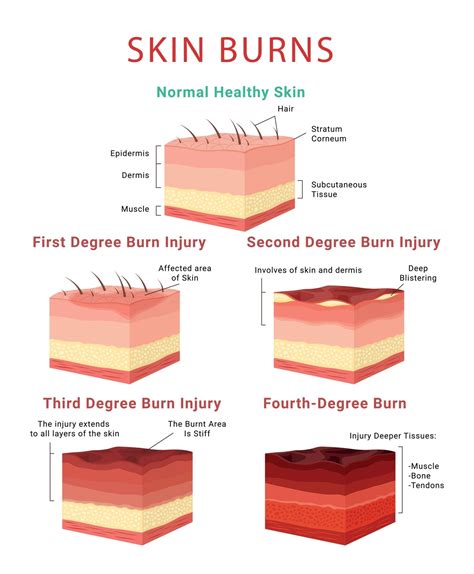
Road rash injuries are classified into three degrees, based on the depth of skin damage and the severity of the injury:
First-Degree Road Rash
This is the mildest form of road rash, affecting only the outermost layer of skin, the epidermis. Symptoms typically include redness, minor irritation, and tenderness. While it can be uncomfortable, first-degree road rash usually heals on its own within a week or two with basic home care, such as gentle cleaning and the application of an antibiotic ointment. A light bandage can help protect the wound from dirt and debris.
Second-Degree Road Rash
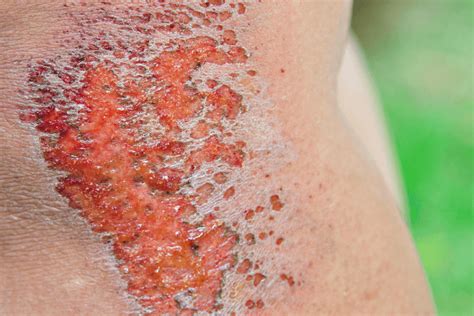
Second-degree road rash involves deeper damage, affecting the epidermis and lower dermal layers of the skin. This results in more significant abrasions, open wounds, and potentially blisters. Bleeding and increased pain are common. These wounds carry a higher risk of infection due to the deeper skin exposure. While some cases can be treated at home with thorough cleaning, antibiotic ointments, and fresh bandages, it is often advisable to seek medical attention, especially if the injury is large, bleeding excessively, or shows signs of infection. Healing can take two to three weeks, and scarring is more common with this degree of injury.
Third-Degree Road Rash
Third-degree road rash is the most severe classification and is often referred to as an avulsion wound. This type of injury extends through all layers of the skin and can damage underlying tissues, including muscle, nerves, and even bone. The skin may be completely scraped away, exposing sensitive tissues. Third-degree road rash is extremely painful, though in some cases, nerve damage may result in a lack of pain. Immediate medical attention is critical for third-degree road rash. Treatment may involve surgical intervention, such as skin grafting, and can lead to permanent scarring, disfigurement, and long-term complications like chronic pain or loss of function. Recovery can take months, and multiple treatments or surgeries may be necessary.
Causes and Symptoms of Road Rash
Road rash most commonly occurs during accidents where a person is ejected from a moving vehicle, such as a motorcycle or bicycle, and their skin makes forceful contact with a rough surface. The friction generated during this sliding motion causes the abrasion.
Symptoms vary depending on the degree of the road rash:
- First-degree: Redness, mild pain, tenderness, slight swelling.
- Second-degree: Open wounds, abrasions, blisters, bleeding, increased pain, potential for nerve exposure.
- Third-degree: Skin loss, exposure of deeper tissues (muscle, nerves, bone), extreme pain or no pain due to nerve damage, significant bleeding or oozing, shiny or milky appearance of exposed tissue.
Regardless of the severity, common signs to monitor for include pain, swelling, and bleeding or oozing fluid. If bleeding is heavy, direct pressure with a clean cloth should be applied until it stops. For oozing wounds, sterile bandages are necessary to keep the area covered, with daily dressing changes recommended to prevent infection.
Treatment for Road Rash
The treatment approach for road rash depends heavily on its severity:
Home Care for Minor Road Rash
For first-degree and some less severe second-degree road rash injuries, home care can be effective:
- Clean the Wound: Gently wash the affected area with mild soap and water to remove dirt and debris.
- Apply Antibiotic Ointment: Use an antibiotic ointment, such as Neosporin or Bacitracin, to help prevent bacterial infection and promote healing.
- Cover the Wound: Protect the wound with sterile bandages or gauze to keep it clean and prevent further contamination. Change dressings daily.
- Pain Management: Over-the-counter pain relievers can help manage discomfort.
- Monitor for Infection: Watch for signs of infection, such as increasing redness, swelling, pus, or fever.
Professional Medical Treatment
Second-degree and all third-degree road rash injuries often require professional medical attention. Doctors will:
- Thoroughly clean the wound to remove all debris and reduce the risk of infection.
- Prescribe appropriate antibiotic ointments or oral antibiotics.
- Advise on wound dressing changes and monitoring.
- For severe cases, skin grafting surgery may be necessary to repair extensive skin loss.
- Manage pain with prescription medications if needed.
Betadine can be used for cleaning road rash wounds to kill bacteria, but it should be used cautiously to avoid skin irritation.
How Your Body Heals Cuts, Scrapes, and Puncture Wounds to the Skin
Complications and Healing Time
Road rash injuries, especially third-degree ones, can lead to serious complications if not treated properly. These include:
- Infection: Open wounds are susceptible to bacterial infections, which can lead to sepsis, a life-threatening condition. Signs of infection include pus, foul odor, spreading redness, and fever.
- Scarring and Disfigurement: Deeper road rash injuries often result in permanent scars. Third-degree injuries can cause significant disfigurement, impacting self-esteem and potentially requiring cosmetic surgery.
- Traumatic Tattooing: Pigmented debris that is not properly removed from the wound can become embedded in the skin, causing discoloration and a tattooing effect.
- Chronic Pain: Nerve damage from severe road rash can lead to long-term or chronic pain.
Healing time varies significantly:
- First-degree: Typically heals within one to two weeks.
- Second-degree: Can take two to three weeks, depending on the depth and extent of the injury.
- Third-degree: Can take months to heal, often requiring ongoing medical care and rehabilitation.
Preventing Road Rash
While it's impossible to eliminate the risk of accidents entirely, motorcyclists can take steps to reduce the likelihood and severity of road rash:
- Wear Protective Gear: Always wear appropriate, well-fitting protective clothing made from durable materials like leather. This includes:
- Long pants (sturdy material)
- Fitted jackets
- Boots that cover the ankles and shins
- Gloves
- Helmets
- Practice Safe Riding: Be aware of your surroundings, obey traffic laws, avoid reckless maneuvers, and maintain a safe distance from other vehicles.
Legal Recourse After Road Rash Injuries
Suffering severe road rash injuries from a motorcycle accident, especially if caused by another party's negligence, may provide grounds for a motorcycle accident lawsuit. These injuries can lead to substantial medical bills, lost wages, pain and suffering, and long-term complications. Navigating the legal process and dealing with insurance companies can be challenging, particularly when facing significant medical expenses and recovery challenges.
It is crucial to understand that there are time limits for filing a lawsuit following an accident. Contacting an experienced motorcycle accident attorney should be a priority. An attorney can:
- Advocate on your behalf.
- Help negotiate with insurance companies, who often have legal teams working to minimize payouts.
- Gather evidence to build a strong case.
- Help you seek fair compensation for medical bills, lost income, pain, and suffering.
Many law firms specialize in representing victims of motorcycle accidents and can offer guidance through the legal process, ensuring you receive the compensation you deserve.