Fungal skin infections, also known as dermatomycoses, are conditions caused by the excessive proliferation of fungi on the outer layer of the skin, nails, or hair. These infections can manifest with a variety of symptoms, including redness, itching, flaking, skin rashes, and, in some instances, blister formation or thickening of the nails.
Several factors can contribute to the development of fungal infections. These include exposure to warm and humid environments, direct contact with fungi, a weakened immune system, skin injuries, prolonged use of antibiotics, and underlying medical conditions such as diabetes.
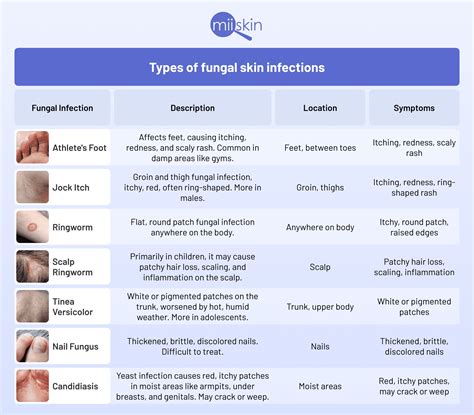
Common Types of Fungal Skin Infections
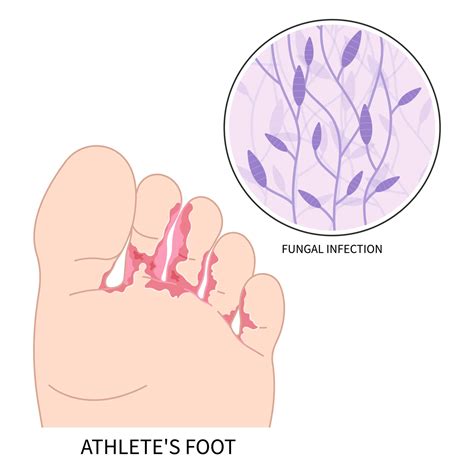
Athlete's Foot (Tinea Pedis)
This infection affects the skin on the feet, particularly between the toes, causing itching, redness, and sometimes a scaly rash.
Jock Itch (Tinea Cruris)
A fungal infection of the groin and thighs, presenting as an itchy, red, often ring-shaped rash.
Ringworm (Tinea Corporis)
Despite its name, ringworm doesn’t involve an actual worm but rather a fungal infection that appears anywhere on the body as a flat, round patch.
Scalp Ringworm (Tinea Capitis)
This primarily affects the scalp, hair shafts, and hair follicles, predominantly in children.
Tinea Versicolor
Tinea versicolor usually affects the trunk and upper extremities with white or reddish or pigmented areas, caused by a fungus called malassezia. It is most common in adolescents and young adults but can also occur in children. Hot and humid weather, sweat, and the use of topical skin oils could worsen this problem.
Fungal Nail Infections (Onychomycosis)
A fungal infection that affects the nails, making them thickened, brittle, and discolored.
Yeast Infections (Candidiasis)
This yeast infection can affect the skin, causing rashes in moist areas like the armpits, under the breasts, and around the genitals.
Differentiating Fungal Infections from Other Skin Conditions
Dr. Ana Luisa Cabrera, a board-certified dermatologist, notes that several skin conditions can mimic fungal infections in appearance, leading to misdiagnosis without proper testing. These include:
- Eczema (Atopic Dermatitis): Eczema causes red, itchy, and inflamed patches of skin.
- Contact Dermatitis: This is an allergic reaction to something that has touched the skin.
Understanding Non-Prescription Antifungal Medications
An over-the-counter (OTC) antifungal cream is a non-prescription cream used to treat fungal skin infections. These creams contain active ingredients such as clotrimazole, miconazole, or terbinafine, which help eliminate fungi by disrupting their cell membranes or inhibiting their growth.
Key Active Ingredients and Their Effectiveness
Among over-the-counter (OTC) antifungal products, terbinafine is often considered one of the strongest available. It is particularly effective against dermatophyte fungi, which cause conditions such as athlete’s foot, jock itch, and ringworm. Terbinafine is available in various forms, such as creams, gels, and sprays, and is marketed under brand names like Lamisil. Prescription-strength terbinafine cream is considered one of the fastest-acting antifungal creams for skin infections.
Clotrimazole and miconazole are also common active ingredients in OTC antifungal creams. For example, Monistat cream contains miconazole, which is used to treat yeast infections of the skin and vagina.
Application and Duration of Treatment
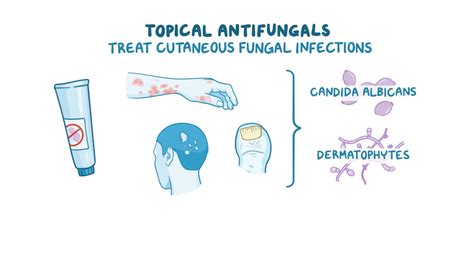
Topical antifungal creams are preferred for superficial skin infections as they are applied directly to the affected area. Antifungal creams, ointments, lotions, or powders are usually applied to the skin for 2 to 4 weeks. It is important to continue using the product for the duration stated on the package instructions, not just as needed for the relief of symptoms, as these medications are treating a fungal infection.
Important Considerations and Precautions
- Steroid Creams: Do not use over-the-counter creams containing steroids, or corticosteroids, for ringworm or for a rash that has not been diagnosed. Many over-the-counter ointments and creams sold for rashes contain corticosteroids. Use of corticosteroids for fungal infections can make them worse. They weaken the skin's ability to fight the fungus, allowing it to spread to cover more of the body. They can also cause burning and redness to be more severe. Corticosteroids can cause fungal rashes to change in appearance, making it more difficult for healthcare providers to diagnose if you later need to seek care.
- Hydrocortisone: Hydrocortisone is not an antifungal. It is a corticosteroid used to reduce inflammation, redness, and itching.
- Neosporin: Neosporin is not an antifungal ointment.
If you have a fungal infection in a more sensitive or complicated area, such as your face or head, you should see your healthcare provider for appropriate treatment. If you’re unsure which product is best for you, ask your pharmacist for help.
Specific Fungal Infections and Their Treatment
Ringworm Treatment
Some forms of ringworm can be treated with non-prescription (over-the-counter) antifungal medications. Ringworm on the skin like athlete's foot (tinea pedis) and jock itch (tinea cruris) are usually treated with non-prescription antifungal medications. However, ringworm on the scalp usually needs to be treated with prescription antifungal medication taken by mouth for 1 to 3 months, as creams, lotions, or powders do not work for scalp ringworm.
It is a good idea to contact a healthcare provider for any suspected ringworm even though there are over-the-counter treatments. Healthcare providers can help find out the cause and the best treatment more quickly. A more severe type of ringworm has been spreading in other parts of the world. Tell your healthcare provider about your travel history.
Fungal Nail Infections
Treatment for fungal nail infections is most effective when started early. Prescription antifungal medication taken by mouth is usually the best treatment. Sometimes healthcare providers remove the infected nail completely. Left untreated, fungal nail infections can spread to the skin. Even after treatment, infections can return.
Antifungal Medications for Specific Populations
Some antifungal creams are considered safe to be used while pregnant or breastfeeding. Some antifungal products are considered safe for use in children age 2 and older. You should read product instructions carefully while considering the age of your child and the location of the infection.
Doctor explains Ringworm (aka Tinea) including symptoms, signs, causes and treatment!
tags: #non #prescription #antifungal #medications