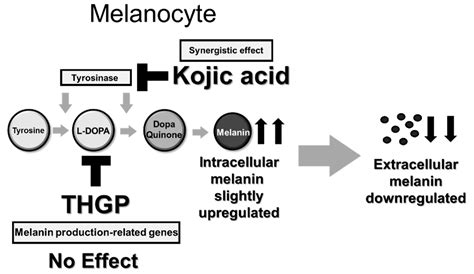
Kojic acid is a naturally occurring compound derived from several types of fungi. It is also a byproduct of the fermentation process for certain foods, including Japanese sake, soy sauce, and rice wine. Its primary function in cosmetic applications stems from its ability to inhibit the formation of tyrosine, an amino acid essential for melanin production. Melanin is the pigment responsible for the color of hair, skin, and eyes. By reducing melanin synthesis, kojic acid can lead to a skin-lightening effect.
Kojic acid is frequently used topically to address various cosmetic concerns and has been approved for use in cosmetic products at concentrations of 1 percent or less, most commonly as a skin-lightening agent. It can be found in a variety of cosmetic products such as powders, serums, creams, cleansers, and soaps. Powders typically require mixing with water or lotion according to product instructions. Some products, like soaps and cleansers, are designed for immediate washing off, while others, such as creams and serums, are meant to be left on the skin for absorption. However, it's important to note that kojic acid generally has relatively poor absorption rates below the skin's surface.
Certain products, like face masks, are intended for occasional use, whereas creams and cleansers may be used daily. Products containing kojic acid are most commonly applied to the face and hands but can be used on all non-sensitive areas of the body. The Cosmetic Ingredient Review Expert Panel has deemed kojic acid safe for cosmetic use at concentrations up to 1 percent. Nevertheless, some individuals may still experience side effects or risks associated with its use. The Food and Drug Administration oversees the quality and safety of cosmetics, so it is advisable to purchase products from reputable companies.
Potential Side Effects of Kojic Acid
The most common side effect of kojic acid is contact dermatitis, which can manifest as redness, irritation, itchiness, rashes, swollen skin, or pain and discomfort. Contact dermatitis is more prevalent in individuals with sensitive skin or those using products with a kojic acid concentration exceeding 1 percent. If you experience a reaction, discontinue use immediately.
Long-term use of kojic acid may increase your skin's susceptibility to sunburn. It is crucial to be mindful of this and consistently use sunscreen or wear protective clothing. Kojic acid should never be applied to damaged or broken skin. Some countries have restricted its use due to a potential link to cancer development, though further research is necessary to fully understand these potential risks.
Benefits of Kojic Acid
The primary benefit of kojic acid is its effectiveness in lightening visible sun damage, age spots, or scars, which can contribute to an anti-aging effect on the skin. In addition to its skin-lightening properties, kojic acid possesses antimicrobial characteristics that can help combat several common bacterial strains, even in low concentrations. This can be beneficial in treating acne caused by bacteria and may also lighten lingering acne scars.
Regular use of soap containing kojic acid may help prevent both bacterial and fungal infections on the body. Visible results from topical kojic acid application can often be seen within two weeks, with potentially faster or more significant results when combined with glycolic acid. Kojic acid can be used to treat areas of hyperpigmentation or scarring but should not be used with the aim of lightening one's natural complexion. For those considering kojic acid products for specific conditions, consulting a dermatologist is recommended to determine the safest and most effective course of action, including dosage and complementary treatments.
Understanding Papaya Soap
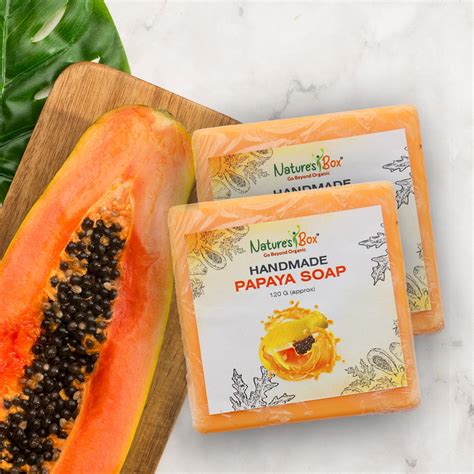
Papaya is a tropical fruit widely recognized for its cosmetic applications, with many individuals using papaya soap to enhance skin health and appearance. Papaya soap is also believed to possess skin-lightening properties, potentially reducing the appearance of discoloration or dark scars.
Papaya soap is considered a natural, gentle cleanser suitable for various body parts, including the face. Unlike regular soaps that can sometimes be harsh and strip the skin of its natural oils, potentially exacerbating conditions like acne, psoriasis, and rosacea, papaya soap is made from natural ingredients. It contains the enzyme papain, which breaks down protein. While beneficial for digestion, papain also acts as an anti-inflammatory agent.
Papaya soap is rich in vitamins beneficial for the skin. Vitamin C, an antioxidant, can help reduce irregular pigmentation and stimulate collagen production. The soap also contains vitamin A, which promotes the renewal of skin cells and may help diminish dark spots, blemishes, and scars. Unlike some over-the-counter cleansing bars, natural skin-friendly products like papaya soap may offer additional skin benefits.
Key Benefits and Uses of Papaya Soap
- Exfoliation: The papain enzyme in papaya soap gently exfoliates the skin by removing dead skin cells, leading to a brighter, smoother complexion and more even skin tone.
- Acne Treatment: Papain's ability to break down protein and damaged keratin can help clear blemishes and reduce breakouts. Its exfoliating action also prevents dead skin cells from clogging pores.
- Insect Sting Pain Relief: Applying papaya soap to insect bites or wounds can help alleviate pain, itching, swelling, and redness due to papain's anti-inflammatory properties and its ability to break down proteins in insect venom.
- Stain Remover: The papain enzyme's protein-dissolving capabilities make papaya soap effective at removing protein-based stains like grass and egg.
- Hyperpigmentation and Uneven Skin Tone: By promoting the removal of dead skin cells, papaya soap can gradually reduce the appearance of dark patches and lighten the skin, improving hyperpigmentation and evening out skin tone. While it's believed to curb excessive melanin production, this claim lacks strong scientific backing.
Safety and Considerations for Papaya Soap
Despite being natural, papaya soap may not be suitable for everyone. It is recommended to perform a patch test on a small area of skin before initial use. Discontinue use if signs of an allergic reaction, such as bumps, swelling, itching, or redness, occur. Individuals allergic to papaya or latex should avoid papaya soap, as papain is derived from the latex of unripe papaya fruit.
For those seeking a gentle, skin-friendly soap, purchasing papaya soap from natural or health food stores is advised. These products may be labeled as papaya soap or papain-based soap.
Comparing Kojic Acid and Papaya Soap
Both kojic acid and papaya soap offer distinct skincare benefits. Kojic acid primarily focuses on melanin inhibition, making it effective against post-inflammatory hyperpigmentation and dark spots. Papaya soap, on the other hand, works by gently exfoliating dead skin cells and reducing pore blockages, which is beneficial for acne and overall skin texture. The papain enzyme in papaya soap helps in exfoliating and clearing blemishes, while kojic acid targets discoloration by reducing melanin production.
Consistency is key when using either product. If the primary concern is acne scars and gentle daily care, papaya soap might be a suitable choice. If hyperpigmentation or dark spots are the main issue, kojic acid may be more effective. The choice between papaya soap and kojic acid soap ultimately depends on individual skincare needs and skin type. Consulting with a dermatologist can help in making the most informed decision.
Kojic Acid: In-Depth Look
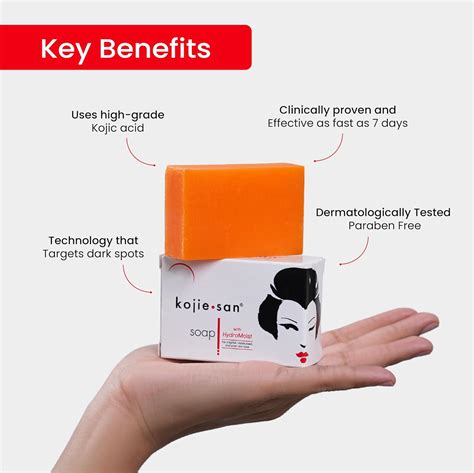
Kojic acid is a chemical compound derived from various fungi, acting as a byproduct of fermented foods like soy sauce and rice wine. Its chemical structure is identified as 5-hydroxy-2-hydroxymethyl-γ-pyrone. While some fungi naturally produce significant amounts of kojic acid, advancements in genetic modification have improved production efficiency, ensuring a steady supply for cosmetic use, particularly as a skin-whitening or depigmentation agent.
Cosmetic Applications of Kojic Acid
The most recognized applications of kojic acid in cosmetics include its role as a skin-whitening agent and a UV protection ingredient. It is also utilized as a teeth-whitening component in oral care products. Studies evaluating its depigmentation mechanism and safety suggest an optimal concentration of 1% or less for topical preparations to ensure both efficacy and safety.
For patients with melasma or hyperpigmentation sensitive to sunlight, a 6-month treatment with 1% kojic acid cream has shown significant improvements in skin tone. Kojic acid's high epidermal diffusion effectively reduces melanin production. Some studies indicate that even after two years of monitored use, patients reported no significant side effects. Consequently, new depigmentation agents like kojic acid are increasingly valued as essential cosmetic ingredients.
Furthermore, kojic acid exhibits antibacterial properties, capable of eliminating certain common bacteria, including acne-causing strains, even at low concentrations. Research also points to its antifungal properties against skin-residing and pathogenic fungi.
Safety and Regulatory Aspects
Cosmetic products are not regulated with the same stringency as medicines and foods. In the United States, cosmetic manufacturers are not legally required to have their products approved by the FDA before market release. However, the FDA offers a voluntary registration program for cosmetic manufacturers, and the Cosmetic Ingredient Review (CIR) Expert Panel assesses product safety. A review of kojic acid indicated that some studies in mice suggested a link to tumor growth at high concentrations, but this association was considered weak due to kojic acid's slow absorption into the bloodstream, making cancer development in humans unlikely. The CIR Expert Panel concluded that kojic acid is safe for cosmetic use, with concentrations of 2% or less for products left on the skin considered safe.
Raw kojic acid is available but not recommended for direct skin application due to the difficulty in achieving safe and effective dilution, potentially leading to irritation. Using pre-formulated skincare products with specified kojic acid concentrations is generally a safer approach. Recommended concentrations for skin irritation reduction are typically between 1% and 2%, with a maximum of 4% for products left on the skin.
Potential Risks and Side Effects of Kojic Acid
While generally considered safe, kojic acid use can lead to potential risks and side effects. Increased susceptibility to sunburn is a notable risk, as kojic acid inhibits melanin production, which naturally protects the skin from UV damage. Contact dermatitis is another common side effect, particularly for individuals with sensitive skin, manifesting as rashes, itching, dry patches, and in severe cases, pain and blisters. Products with higher concentrations of kojic acid are more likely to cause irritation. It is advisable to consult a dermatologist before using kojic acid products, especially if you have pre-existing skin conditions or allergies. Dermatologists can provide guidance on appropriate products, usage frequency, and concentration strengths. If irritation or rash develops, discontinue use immediately and consult a doctor if symptoms persist.