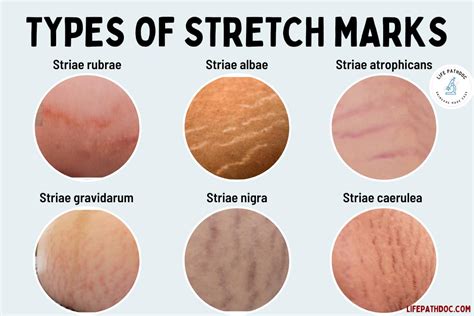
Stretch marks, whether they appear after pregnancy, weight changes, or growth spurts, can be frustrating and difficult to treat. While they are a common concern, various treatments aim to improve their appearance and texture.
What are Stretch Marks?
Stretch marks can look very different depending on several factors. For example, they may appear as indented streaks or lines, and they can manifest in shades of pink, red, discolored, black, blue, or purple. Some may initially be bright and gradually lighten in color over time. Stretch marks tend to be more prevalent in women than in men and are more likely to appear in individuals with darker skin tones. During pregnancy, younger women are more likely to experience stretch marks than their older counterparts. Several studies have highlighted a higher occurrence of stretch marks in cases of significant abdominal circumference and substantial weight gain.
Can Retinoids Help with Stretch Marks?
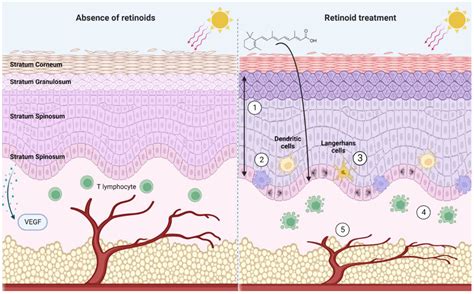
Retinoids, a class of compounds derived from vitamin A, have been utilized in skincare for decades, notably for their efficacy in treating acne. Topical retinoids are often recommended as a first-line treatment option for mild acne, either used alone or in combination with other therapies. These powerful ingredients work by promoting skin cell turnover, which helps to shed old, damaged cells and replace them with new ones. This process can also stimulate the production of collagen, a protein crucial for skin structure and elasticity.
How Do Retinoids Work on Stretch Marks?
Retinoids, such as tretinoin, help the skin regenerate, aiding in the gradual fading of stretch marks. They stimulate the production of collagen, a protein that provides structural support to the skin. Furthermore, retinoids promote the turnover of skin cells, facilitating the shedding of old, damaged cells and their replacement with new ones. Research indicates that the topical application of tretinoin has shown significant improvement in the appearance of early and active stretch marks.
Tretinoin: The Gold Standard?
Tretinoin is often considered the gold standard for acne and anti-aging treatments. While its effectiveness for stretch marks is a subject of interest, results depend heavily on factors such as the timing of treatment initiation, the strength of the product used, and the consistency of application. Studies have shown that tretinoin can significantly improve the appearance of early and active stretch marks. It can also be used in combination with other ingredients for treating hyperpigmentation conditions like melasma.
Limitations of Tretinoin for Older Stretch Marks
According to dermatologists, the impact tretinoin may have on stretch marks present for several years could be limited. The structural alterations in the skin associated with older stretch marks, such as collagen restructuring and scar maturation, may exhibit reduced responsiveness to tretinoin treatment. Therefore, tretinoin may be more effective on newer, active stretch marks.
Adapalene and Other Over-the-Counter Retinoids
Adapalene, another retinoid available over-the-counter (e.g., in Differin), works similarly by speeding up cell turnover, leading to fresher, smoother skin over time. This makes it a suitable option for smoothing bumpy, textured stretch marks at home. To use adapalene for stretch marks, it's recommended to start with infrequent application (e.g., once a week) and gradually increase the frequency as your skin tolerates it, aiming for every other night indefinitely. Visible results may take at least three months of consistent use.
Choosing the Right Strength and Application
While most studies on tretinoin for stretch marks have used a 0.1% concentration, it may be necessary to start with a lower strength if you have not previously used retinoids, allowing your skin to acclimate. It is crucial to be patient, as achieving visible improvements through retinoid treatment may take several months of consistent use. Individual responses can vary, and not all stretch marks will react in the same way.
Combining Treatments
In some cases, retinoids can be combined with other ingredients. For instance, tretinoin and glycolic acid have shown to be equally effective in reducing the appearance of stretch marks. Hyaluronic acid, known for improving skin hydration and elasticity, may also contribute to better-looking skin, although research on its specific effectiveness for stretch marks is ongoing.
Other Treatment Options for Stretch Marks
Beyond retinoids, several other treatments can help improve the appearance and texture of stretch marks.
Topical Treatments
- Retinoid creams: Derived from vitamin A, these creams may improve the appearance of stretch marks that are less than a few months old. Tretinoin, in particular, helps rebuild collagen. However, retinoids can irritate the skin, and pregnant or nursing individuals should consult a healthcare provider about alternatives.
- Moisturizers: While not a direct treatment for fading existing marks, regular moisturizing can enhance skin hydration, flexibility, and elasticity, potentially reducing the likelihood of developing new stretch marks. Ingredients like cocoa butter, shea butter, and centella asiatica are often recommended.
- Body lotions with AHAs and retinol: Products containing alpha-hydroxy acids (AHAs) like glycolic and lactic acid, along with retinol, can help slough off dead skin cells and stimulate collagen production, potentially fading the look of stretch marks and smoothing texture.
Professional Treatments
- Light and laser therapies: Various light and laser treatments are available that may stimulate collagen growth and promote elasticity. These can include ablative lasers (which remove upper skin layers) and non-ablative lasers (which heat deeper layers to trigger collagen production). The choice depends on the type and age of the stretch marks.
- Microneedling: This treatment involves using a device with tiny needles to create micro-punctures in the skin, stimulating collagen and elastin production. At-home devices and in-office treatments are available.
- Microneedling with radiofrequency (RF): Combining microneedling with RF energy delivers heat to deeper skin layers, further boosting collagen production and helping to smooth textured stretch marks and fade discoloration.
- Laser skin-tightening treatments: These treatments use pulses of light energy to stimulate the skin's natural healing process, leading to new collagen formation and firmer skin.
- Intense-pulsed light (IPL): IPL uses high-intensity light blasts to smooth texture, fade hyperpigmentation, and firm skin. It is generally suitable for lighter skin tones.
- Ultrasound therapy: This method uses ultrasound waves to heat deep layers of the skin, triggering collagen production. It is safe for all skin types and tones.
- At-home microdermabrasion: Devices with diamond-coated tips can buff away dead skin, improving skin texture and potentially smoothing bumpy stretch marks.
Stretch Mark removal using Microneedling
Cosmetic and Camouflage Options
- Self-tanners: Applying self-tanner can help blend stretch marks with the surrounding skin, making them less noticeable.
- Body tints: Luminous body tints can instantly smooth and blur the appearance of stretch marks, providing a temporary camouflage effect.
Prevention and Self-Care
While there is no foolproof method to prevent stretch marks entirely, certain measures can enhance the likelihood of avoiding them. For pregnant women and individuals experiencing hormonal changes during adolescence, regular moisturizing (three to four times a day) is advisable. Proper hydration improves skin flexibility and elasticity. Optimal moisturizers often contain ingredients such as cocoa butter, shea butter, or centella asiatica.
Massaging products into the skin may also enhance their effectiveness. While specific products may not have proven ingredients to fade or prevent stretch marks, using them as part of a massage routine can help moisturize and soothe the skin.
Diagnosis and When to Seek Professional Advice
Stretch marks typically do not require a formal diagnosis, as they are a common skin condition. A healthcare provider may examine your skin and review your medical history. If an increase in cortisol levels is suspected, further tests might be recommended. While stretch marks are harmless and often fade over time, treatments can improve their appearance and texture, though complete disappearance is not always guaranteed.
It is advisable to consult with a dermatologist to determine the most suitable treatment options based on your specific needs, skin type, and the type and age of your stretch marks. They can guide you on prescription treatments like tretinoin, professional procedures, or suitable over-the-counter alternatives.