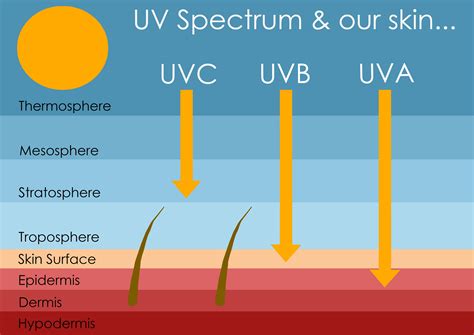
The intense heat and strong UV rays experienced during a trip to Las Vegas served as a powerful reminder of the importance of daily sun protection. While the UV index in Vegas reached a high of 9, indicating "very high" risk, it's crucial to remember that even a UV index of 6-7 is considered "high," and 11+ is "extreme." However, even in areas with lower UV indices, daily application of at least an SPF 30+ broad-spectrum sunscreen is recommended. This includes protection while driving, as car windows do not block UVA light, only UVB.
Despite understanding the necessity of sunscreen, making it a consistent part of a daily routine can be challenging due to forgetfulness or a perceived lack of suitable options. The cost of sunscreen, especially when applied in the recommended generous amounts, can also be a significant factor. Previously, the author used NO-AD Sport Sunscreen SPF 50, a budget-friendly chemical sunscreen. However, this product had a tendency to feel like it was sloughing off by the end of the day, making it less ideal for everyday wear compared to the Alba Botanica Sensitive Mineral Sunscreen.
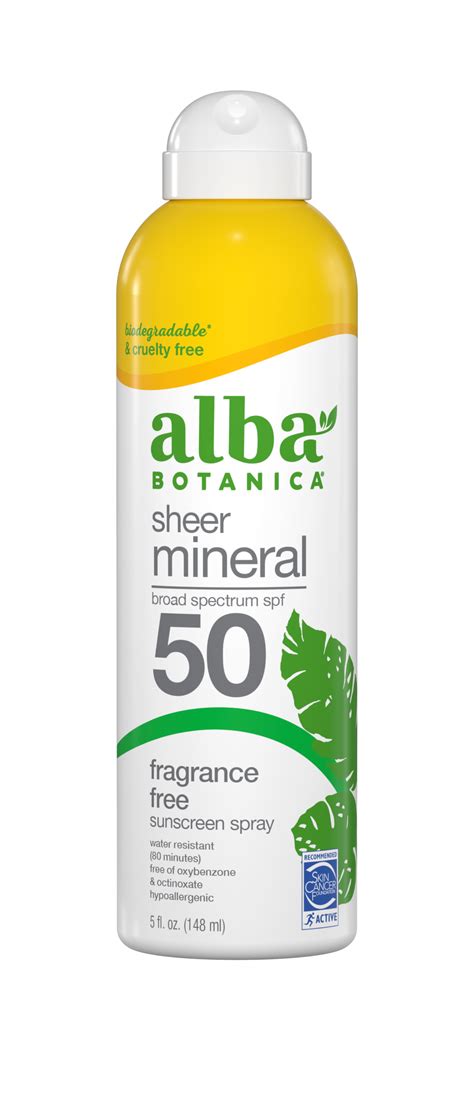
The Alba Botanica Sensitive Mineral Sunscreen is highlighted as a preferred everyday option due to its less irritating formula and its ability to avoid leaving flaky skin. Its texture is noted as being slightly runnier than other zinc oxide-based sunscreens experienced previously, which contributes to easier blending.
Key Features and Performance
This mineral sunscreen is specifically formulated for highly sensitive skin. While it does leave a slight white cast due to its 14.5% zinc oxide content, this is generally considered acceptable, especially when applied to the body rather than the face. For facial application, a tinted option like Australian Gold Botanical SPF 50 Tinted Face Sunscreen might be preferred. However, for body application, the Alba Botanica Sensitive Mineral Sunscreen has become a go-to choice.
A significant advantage of this sunscreen is its high concentration of Zinc Oxide, which is the only FDA-approved sunscreen ingredient effective against UVA1, UVA2, and UVB rays. The sunscreen is rated at SPF 30 and contains alcohol, which are noted as potential drawbacks.
Understanding Sunscreen Agents: Zinc Oxide and Titanium Dioxide
Zinc Oxide is a standout ingredient in physical sunscreens, offering excellent broad-spectrum protection against UVA1, UVA2, and UVB rays. It is highly stable and non-irritating, even functioning as a skin protectant and anti-irritant. A common concern with zinc oxide is the potential for a whitish tint on the skin, although research suggests it may be slightly less pronounced than with Titanium Dioxide. While there have been concerns about the safety of nanoparticles in sunscreens, current research indicates that these particles remain on the skin's surface and are not absorbed into the body.
Titanium Dioxide (TiO2) also provides broad-spectrum protection, particularly effective between 290-350 nm (UVB and UVA II range), with less efficacy in the UVA I range (350-400 nm). It is a stable sunscreen agent but can be less cosmetically elegant, often resulting in a white, difficult-to-spread residue on the skin. Similar to Zinc Oxide, concerns about nanoparticles have been investigated, with studies suggesting they do not penetrate the skin.
How Sunscreens Work: Chemical vs. Physical
Traditionally, UV filters are categorized as chemical or physical. Chemical agents are thought to absorb UV light, while physical agents reflect it. However, recent studies suggest that inorganic sunscreens, like those containing Zinc Oxide and Titanium Dioxide, primarily work by absorption, similar to chemical filters, with reflection playing a smaller role in the UV spectrum.
Key Ingredients in Alba Botanica Sensitive Mineral Sunscreen
Here's a breakdown of some notable ingredients found in Alba Botanica Sensitive Mineral Sunscreen and their functions:Base Ingredients
- Water (Aqua): Purified and deionized water serves as the primary solvent in many cosmetic products.
- Caprylic/Capric Triglyceride: A common emollient derived from coconut oil and glycerin, it makes the skin feel smooth, is light-textured, odorless, non-greasy, and well-tolerated by most skin types.
- Cetearyl Alcohol: A fatty alcohol that acts as an emollient, emulsifier, and thickener, contributing to a smooth texture and stable formula.
- Glycerin: A humectant that attracts moisture to the skin, helping to keep it hydrated and soft.
- Dimethicone: A silicone that provides a silky smooth feel to the skin, forms a protective barrier, and can temporarily fill fine lines.
- Glyceryl Stearate SE: An emulsifier that helps to mix oil and water components in the formula, creating a stable emulsion.
Active Sunscreen Agent
- Zinc Oxide (14.5%): A physical sunscreen agent providing broad-spectrum UVA and UVB protection.
Emollients and Skin Conditioning Agents
- Butyrospermum Parkii (Shea) Butter: Known for its moisturizing, regenerating, and soothing properties, shea butter also provides antioxidant benefits.
- Helianthus Annuus (Sunflower) Seed Oil: A rich emollient that smooths and hydrates the skin, helps repair the skin barrier, and is rich in fatty acids.
- Simmondsia Chinensis (Jojoba) Seed Oil: A wax ester that is highly stable and closely mimics human sebum, providing excellent moisturization and compatibility with the skin.
- Vitis Vinifera (Grape) Seed Oil: A light emollient oil rich in antioxidant polyphenols, linoleic acid, and vitamin E.
Soothing and Antioxidant Ingredients
- Aloe Barbadensis Leaf Juice: Known for its moisturizing, anti-inflammatory, and wound-healing properties.
- Calendula Officinalis Flower Extract: Traditionally used for its healing properties, particularly for wounds.
- Chamomilla Recutita (Matricaria) Flower Extract: Valued for its anti-inflammatory and antioxidant properties.
Other Ingredients
- Tocopheryl Acetate (Vitamin E): Acts as an antioxidant to protect the skin.
- Alcohol: Can help create lighter formulas and enhance penetration, but may be drying in higher concentrations.
- Silica: A bulking and viscosity controlling agent, also used to absorb oil and mattify the skin.
- Sodium Chloride: Used as a thickener in certain formulations and can act as an emulsion stabilizer.
- Phenoxyethanol: A common preservative used to prevent microbial growth.
- Potassium Sorbate: Another preservative often used in combination with others for broad-spectrum protection.
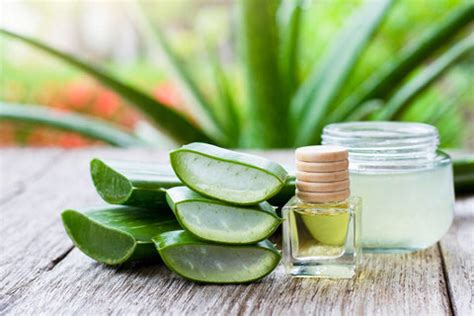
The combination of these ingredients aims to provide effective sun protection while also nourishing and soothing the skin, making it a suitable choice for those with sensitive skin looking for an affordable and reliable daily sunscreen.