Innisfree is a renowned Korean beauty brand dedicated to harmoniously combining pure, natural ingredients with an eco-friendly philosophy. Drawing inspiration from the mineral-rich Jeju Island, the brand utilizes a vast array of vegetable, fruit, and mineral components, such as green tea, marine seaweed, black tea, cherry blossom, and volcanic clay, in its skincare and makeup products. Innisfree is committed to fair trade practices, promoting higher environmental standards and sustainability. Among its bestsellers are the Super Volcanic Pore Clay Mask 2X, Green Tea Seed Serum, Canola Honey Lip Balm, and No Sebum Mineral Powder. The Innisfree Jeju Orchid, Blueberry Rebalancing, and My Real Squeeze Mask lines are also highly popular among customers.
The Innisfree Brightening Pore Serum features a lightweight, watery formula that absorbs quickly into the skin, leaving a non-greasy finish. This serum is designed to address multiple skin concerns, including brightening the complexion, refining pores, and improving overall skin texture.
Key Ingredients and Their Benefits
The efficacy of the Innisfree Brightening Pore Serum is attributed to its carefully selected blend of beneficial ingredients, each contributing to its brightening and pore-refining properties.
Hydrators and Moisturizers
- Water / Aqua / Eau: The most common cosmetic ingredient, serving as the primary solvent in many skincare products. In cosmetics, water is purified and deionized, meaning mineral ions are removed.
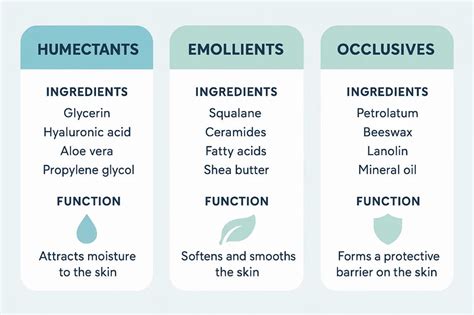
- Propanediol: A natural alternative to propylene glycol, derived from corn or petroleum. It is a humectant that attracts and retains moisture, and is considered safe and unlikely to cause sensitivity. It also acts as a solvent and can enhance the absorption of other ingredients.
- Glycerin: Naturally found in the skin, glycerin is a powerful humectant that draws moisture to the skin and helps retain it, even in deeper layers. Its low molecular weight allows for effective hydration, which strengthens the skin barrier, protecting against irritants and bacteria. Glycerin also possesses antimicrobial and antiviral properties, making it useful in wound and burn treatments. It is typically derived from plants like soybeans or palm, but can also be sourced from animals.
- Panthenol (Pro-Vitamin B5): Known for its ability to hydrate and soothe the skin, panthenol is naturally present in skin and hair. As a humectant, it attracts and holds water, contributing to skin hydration. It also has anti-inflammatory and skin-protecting abilities, and can help reduce irritation caused by other ingredients. Panthenol aids in wound healing by increasing tissue regeneration and helping to close open wounds.
Brightening and Antioxidant Agents
- Niacinamide (Vitamin B3): A multitasking ingredient that strengthens the skin barrier, reduces the appearance of pores and dark spots, regulates oil production, and improves signs of aging. It is well-tolerated by most skin types, including sensitive skin. Niacinamide converts to NAD in the skin, an essential coenzyme that fuels biological processes, including cell repair, collagen production, and protection against environmental stressors. As we age, NAD levels decline, making niacinamide beneficial for maintaining younger-looking skin.
- 3-O-Ethyl Ascorbic Acid (Ethyl Ascorbic Acid): A stable and promising derivative of Vitamin C. It interferes with melanin production, helping to reduce hyperpigmentation and promote a brighter complexion. It also encourages collagen production. Once applied, it converts to Vitamin C deeper within the skin's layers, offering antioxidant and anti-inflammatory effects. Its strong point is skin brightening.
- Tocopherol (Vitamin E): A fat-soluble antioxidant that protects the skin from free radicals and strengthens the skin barrier. It helps maintain the health of natural skin lipids and offers some UV protection, though it should not replace sunscreen. Vitamin E works synergistically with Vitamin C, stabilizing it and enhancing the effectiveness of both.
Pore Refining and Texture Improvement
- Citric Acid: An alpha hydroxy acid (AHA) naturally found in citrus fruits. At high concentrations, it can exfoliate the skin by breaking down the bonds holding dead skin cells together, revealing smoother, brighter skin. In cosmetic formulations, it is often used in smaller amounts as a pH adjuster to maintain the product's compatibility with the skin's natural pH.
Barrier Support and Stabilization
- Ceramide AP (Ceramide 6): Ceramides are lipids naturally found in the skin that bind skin cells together, forming a protective barrier. A strong skin barrier leads to firmer, more hydrated skin and helps defend against irritating ingredients and inflammation.
- Xanthan Gum: A polysaccharide produced from sugar molecules via fermentation. It acts as a stabilizer and thickener, giving products a desirable texture and preventing them from being too runny.
- Gellan Gum: A high-molecular-weight gum used to stabilize products, improving their texture, consistency, and shelf life.
- Sodium Citrate: The sodium salt of citric acid, used to adjust and maintain the pH of cosmetic products, ensuring compatibility with the skin's natural acidic mantle. It also acts as a preservative by neutralizing metal ions.
- Disodium EDTA: A chelating agent that neutralizes metal ions found in water, which can otherwise affect product stability and preservative efficacy. It helps make products more stable.
Other Beneficial Ingredients
- Alcohol Denat.: An alcohol with denaturant properties, created by adding denaturants to ethanol. While it can have astringent properties that draw out oils and constrict pores, potentially leading to dryness, it also evaporates quickly and can enhance the absorption of other ingredients. Its potential for irritation may be mitigated when used in small amounts or in combination with emollients. It also possesses antimicrobial and solvent properties, aiding in product preservation and ingredient dissolution.
- Sodium Chloride: Commonly known as salt, it is used in cosmetic formulations primarily as a thickener in cleansing products, transforming runny solutions into a gel-like texture. It also acts as an emulsion stabilizer.
- Ethylhexylglycerin: Used as a preservative and skin softener, often paired with other preservatives to enhance their effectiveness.
Fragrance Components
- Fragrance / Parfum: A broad term for ingredients used to impart scent to products, which can be a blend of chemicals or plant oils. The composition can vary widely, and some components may cause allergies or sensitivities in susceptible individuals.
- Limonene: A fragrance component found in citrus fruit peel oil. It has antioxidant properties but can sensitize the skin when oxidized upon exposure to air.
- Linalool: A fragrance derived from various plants, which can also oxidize when exposed to air, potentially causing allergies and skin sensitivity.
POPULAR SKINCARE ingredients explained | Niacinamide, Retinol, Aha/Bha, Hyaluronic acid
How to Use
Apply an appropriate amount of the Innisfree Brightening Pore Serum evenly onto the skin using the enclosed dropper.
Full Ingredient List
Water / Aqua / Eau, Propanediol, Glycerin, Hydrogenated Poly(C6-14 Olefin), Niacinamide, Cyclopentasiloxane, Cetearyl Alcohol, Diisostearyl Malate, Panthenol, Methyl Trimethicone, 1,2-Hexanediol, Glyceryl Stearate, Glyceryl Stearate Citrate, Polyglyceryl-3 Methylglucose Distearate, Hydrogenated Vegetable Oil, Pca Dimethicone, Hydroxyethyl Acrylate/Sodium Acryloyldimethyl Taurate Copolymer, Stearic Acid, Palmitic Acid, Sodium Polyacrylate, Hydrogenated Polydecene, Polysilicone-11, Fragrance / Parfum, Xanthan Gum, Glyceryl Caprylate, Citrus Reticulata (Tangerine) Peel Extract, Disodium EDTA, Ethylhexylglycerin, Sorbitan Isostearate, Polysorbate 60, Ppg-5-Laureth-5, 3-O-Ethyl Ascorbic Acid, Myristic Acid, Lauric Acid, Tocopherol.
Ingredients are subject to change at the manufacturer's discretion.
tags: #innisfree #brightening #pore #serum