Tattoos have become an increasingly popular form of self-expression, with people using ink to tell stories, commemorate experiences, or simply decorate their bodies. While traditional black ink tattoos have been around for centuries, white tattoos are a more modern trend that has caught the attention of many. However, if you have dark skin, you may wonder how well a white tattoo will show up and how long it will last.
Understanding White Ink Tattoos
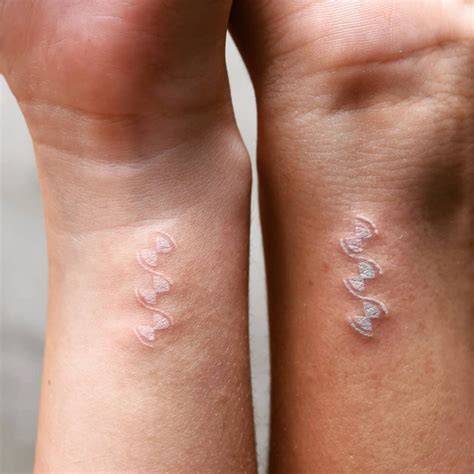
White tattoos use white ink, which is much lighter than traditional black ink, giving the tattoo a subtle, almost ethereal look. These tattoos often feature fine lines, delicate designs, and are perfect for those who want a more understated, elegant design. Unlike traditional tattoos that rely on bold, dark pigments to create contrast against the skin, white tattoos are meant to be more delicate and subtle.
Challenges of White Ink on Dark Skin
While white tattoos may look stunning on lighter skin, achieving the same effect on dark skin can be challenging. Several factors contribute to this:
- Contrast Issues: White ink doesn’t have the same level of contrast on dark skin as it does on lighter skin. Darker skin naturally produces more melanin, which can cause white ink to blend in more than it would on fairer skin tones. White, yellow, and pastel inks sit close to the surface and often appear muted or fade rapidly on dark skin.
- Fading Tendencies: White tattoos tend to fade faster than tattoos made with darker ink. Light-colored tattoos offer a unique look but pose challenges on melanin-rich skin because these pigments have low opacity and rest near the epidermis.
- Healing Process: The healing process for white tattoos on dark skin can be more difficult to predict. Darker skin may not absorb ink as easily, which could lead to uneven healing.
White can scar or vanish, yellow may look chalky, and pastels usually require heavy outlining or layering. Because these pigments have low opacity and rest near the epidermis, they can heal unevenly, fade quickly, or even look like raised scars.
Factors Affecting Longevity
White tattoos on dark skin can be a stunning and unique form of body art, but they do come with their challenges. Understanding the factors that affect their longevity can help ensure that your tattoo stays vibrant for as long as possible. Several factors contribute to the fading or longevity of white tattoos on dark skin:
- Melanin Levels: The deeper the melanin in your skin, the harder it may be for white ink to stand out. For individuals with darker skin, the tattoo may blend in more easily with their natural skin tone.
- Tattoo Location: The location of your tattoo plays a major role in how well it will hold up. Areas of the skin that experience friction or constant movement (like elbows, knees, or hands) tend to cause tattoos to fade faster.
- Ink Quality and Artist Expertise: The quality of the ink used and the expertise of the tattoo artist will greatly influence the final result. High-quality, professional-grade ink tends to last longer and look more vibrant.
Essential Aftercare for White Tattoos on Dark Skin
Proper aftercare is critical for any tattoo, but even more so for white tattoos on dark skin. Diligent aftercare can help mitigate some of the challenges associated with light-colored inks on melanin-rich skin.
- Avoid Sun Exposure: UV rays can cause tattoos to fade prematurely. It is crucial to protect your white ink tattoo from direct sunlight.
- Avoid Scratching or Picking: As your tattoo heals, it may itch or peel. Resist the urge to scratch or pick at the area, as this can damage the healing ink and affect the final appearance.
Touch-Ups and Advanced Technology
Yes, white tattoos can be touched up if they fade or lose their vibrancy over time. A touch-up session involves adding more ink to the tattoo to restore its brightness.
Using advanced tattoo technology can improve the tattoo application process. For instance, artists can transfer high-quality stencils, reducing the chance of mistakes and improving the overall quality of white tattoos on dark skin.
Advanced Stencil Creation with Eclipse™ 2 Thermal Tattoo Stencil Machine
Realistic Expectations and Best Practices
White, yellow, and pastel inks can create stunning, delicate effects, but on dark skin, they demand realistic expectations. Light pigments rest near the surface and filter through melanin, making them prone to fading or appearing muted. They can heal slightly raised or chalky.
Like any tattoo, white tattoos generally take 2-4 weeks to heal. Due to the lack of contrast, white tattoos can be harder to see on dark skin.
By opting for small accents, strong outlining, test swatches, and diligent aftercare, you can enjoy light-tone details without disappointment. It's important to have a thorough consultation with your tattoo artist to discuss these factors and ensure you have a clear understanding of the potential outcomes.