Seed warts, medically known as verruca plantaris, are a common type of wart caused by infection with the human papillomavirus (HPV). This highly contagious virus infects the outermost layer of the skin, triggering extra cell growth and leading to the formation of benign, noncancerous skin growths. While warts can appear anywhere on the body, they are particularly common on the hands and feet. Seed warts specifically refer to warts that develop on the soles of the feet, often referred to as plantar warts.
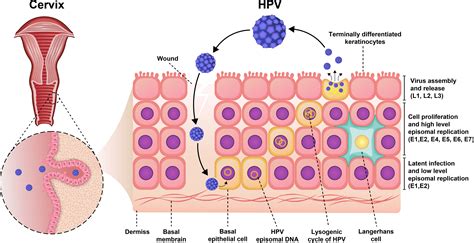
What Causes Seed Warts?
The primary cause of seed warts is infection with specific strains of the human papillomavirus (HPV). There are over one hundred distinct types of HPV, but only a few are responsible for seed warts. These include:
- HPV types 1, 2, 4, 60, and 63 are the main culprits behind seed warts.
- HPV types 1 and 2 are particularly common and thrive in warm, moist environments such as public pools, locker rooms, and communal showers.
- HPV types 4, 60, and 63 are less prevalent but have also been linked to seed wart development.
The virus is transmitted through direct skin-to-skin contact with an infected individual or by touching contaminated surfaces or objects. The HPV virus can enter the skin through small cuts, breaks, or weak spots, invading skin cells and initiating the wart development process.
Transmission of HPV
While HPV is highly contagious, the likelihood of infection and subsequent wart development varies among individuals. Not everyone exposed to HPV will develop warts, as each person's immune system responds differently. The strains that cause plantar warts are not considered highly contagious through direct contact, but they thrive in warm, moist environments. Therefore, contracting the virus by walking barefoot in areas like swimming pools or locker rooms is a possibility.
Factors that increase susceptibility to wart development include:
- Compromised skin barrier: Cuts, scrapes, or abrasions on the skin make it easier for the virus to enter.
- Weakened immune system: Individuals with conditions like HIV or those taking immunosuppressive drugs are more prone to warts.
- Children and teens: Their immune systems may not have developed sufficient defenses against the various HPV types.
- Chronic skin conditions: Conditions such as eczema can compromise the skin's barrier.
- Nail biting or picking at hangnails: These habits can create small breaks in the skin, facilitating viral entry.
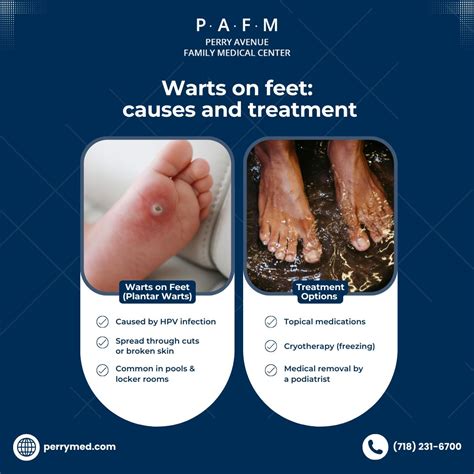
Understanding Plantar Warts (Seed Warts on the Feet)
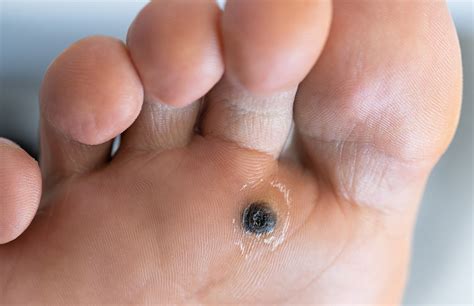
Plantar warts are a specific type of seed wart that forms on the soles of the feet. They are often characterized by:
- A flat appearance with a rough, gritty feel.
- Tiny, black patches or sometimes larger, cauliflower-like growths.
- The presence of small black dots in the center, which are actually tiny, clotted blood vessels, not true seeds.
Due to their location on the feet, which are constantly subjected to pressure and friction from walking and standing, plantar warts can grow inward and become embedded in the skin. This can lead to pain, discomfort, or tenderness when walking or standing.
Symptoms of Plantar Warts
Key symptoms to look out for include:
- Lesions on the bottom of your feet, typically rough and grainy in texture.
- Hard or thick callused spots where the wart is located.
- The appearance of "wart seeds," which are small, clotted blood vessels that look like little black spots.
- Pain, discomfort, or tenderness when walking or standing.
When to Seek Medical Attention
While most plantar warts are generally harmless, certain situations warrant immediate medical care:
- Excessive pain or discomfort that interferes with daily activities.
- Individuals with diabetes or a compromised immune system should always consult a healthcare professional before attempting home treatment.
- If you are unsure whether a skin growth is a wart, as some skin cancers can resemble warts.
- If home treatments are ineffective or the wart grows larger or spreads.
A podiatrist can easily diagnose plantar warts, often through a visual examination, scraping off a bit of rough skin, or sometimes a biopsy if the diagnosis is uncertain.
Treatment Options for Seed Warts
There are various treatment options available for seed warts, ranging from over-the-counter remedies to professional medical interventions. It is important to note that there is no cure for HPV, and warts may reappear even after successful treatment.
Over-the-Counter (OTC) Treatments
- Salicylic Acid: Available in gels, liquids, and pads, salicylic acid works by gradually peeling away the dead skin cells of the wart. For best results, soak the wart in warm water, gently sand it with a disposable emery board, and then apply the product. Patience is key, as this can take several months.
- Duct Tape: Some studies suggest that covering warts with duct tape may help by irritating the skin and stimulating the immune system to fight the wart. The process typically involves soaking, sanding, applying duct tape, and reapplying every few days.
Professional Medical Treatments
- Cryosurgery: This involves freezing the wart with liquid nitrogen. It can be painful and may require multiple sessions.
- Cantharidin: A dermatologist applies this liquid to the wart, causing a blister to form underneath, lifting the wart off the skin. The wart typically comes off with the blistered skin after about a week. This method is often used for young children as it doesn't cause immediate pain.
- Electrosurgery: This method uses an electric charge to burn off the wart. It is effective for common warts, filiform warts, and foot warts.
- Laser Treatment: Lasers can be used to burn off or destroy the wart tissue.
- Curettage: This involves scraping off the wart with a sharp instrument.
- Excision: The wart is sliced off or cut out with a sharp blade.
- Prescription Creams: Stronger topical treatments, including peeling creams with glycolic acid or tretinoin, and medications like diphencyprone (DCP), imiquimod, or 5-fluorouracil, may be prescribed for stubborn warts.
- Injections: In some cases, medication, such as the cancer drug bleomycin, may be injected into the wart to help eliminate it.
What are warts — and how do you get rid of them? - Cella Wright
Preventing Seed Warts
Preventing the development and spread of seed warts involves taking certain precautions:
- Avoid walking barefoot over abrasive surfaces that can cause cuts or wounds, providing an entry point for HPV.
- Avoid direct contact with other warts, including your own.
- Do not pick or rub existing warts, as this can spread the virus to other parts of your body or to other people.
- Wear protective footwear in public areas like swimming pools, locker rooms, and communal showers.
- Keep your skin healthy and moisturized to prevent cracks and breaks.