Dark circles under the eyes can significantly impact one's appearance, often leading to a perception of being tired, stressed, or older than one's actual age. This can affect both self-perception and how others view an individual. While temporary dark circles may be attributed to stress or lack of sleep, persistent ones are frequently a result of genetics, natural aging processes, thinning skin, or volume loss.
Addressing dark circles, particularly with non-surgical methods, can be highly effective in improving self-confidence and overall facial aesthetics. Among the available treatment options, hyaluronic acid (HA) fillers are considered the gold standard for chronic dark circles.
Understanding the Causes of Dark Circles
Dark circles can manifest due to several underlying factors, and identifying the specific cause is crucial for determining the most appropriate treatment. Understanding these causes helps in differentiating between issues that fillers can address and those that require alternative solutions.
Volume Loss and Hollowing
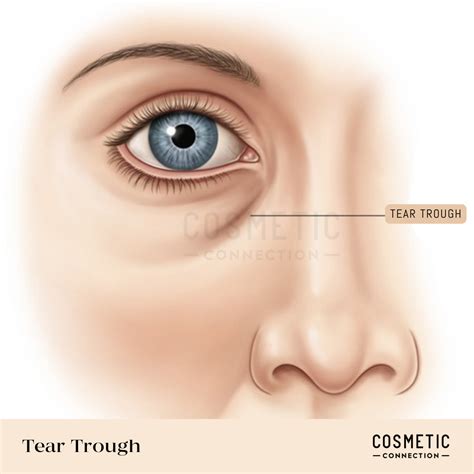
The primary cause that eye fillers effectively treat is volume loss in the tear trough area. The tear trough is the hollow space between the lower eyelid and the cheek. As individuals age, they naturally lose facial fat and collagen, leading to a deepening of this area. This indentation creates shadows that appear as dark circles, especially under certain lighting conditions. Some people are genetically predisposed to minimal fatty tissue beneath the eyes, making the tear troughs more prominent. In these cases, fillers can restore lost volume and smooth the transition between the lower eyelid and cheek, effectively eliminating the shadow.
Other Contributing Factors
While volume loss is a key target for fillers, other factors can also contribute to or mimic dark circles:
- Thinning Skin and Visible Blood Vessels: As we age, the skin under the eyes becomes thinner and loses elasticity. This makes the underlying blood vessels more visible, creating a darker appearance.
- Hyperpigmentation: This refers to actual darkening of the skin due to excess melanin production. Fillers do not address pigmentation issues.
- Vascularity: In some individuals, blood vessels are simply more prominent and visible through the thin under-eye skin.
- Lifestyle Factors: Lack of sleep, dehydration, excessive screen time, and stress can temporarily worsen the appearance of dark circles.
- Allergies: Allergic reactions can cause inflammation and increased blood flow to the under-eye region, leading to darkening.
- Fluid Retention: Swelling or puffiness in the lower eyelids can contribute to shadowing and make dark circles appear more pronounced.
A simple test to differentiate between shadow-related dark circles (amenable to fillers) and pigmentation is to look upward in a well-lit room. If the dark circles seem to disappear, they are likely caused by shadows from hollows. If they remain, pigmentation might be the primary issue.
Dark Circles: Causes & Treatments - Dermatologist Perspective
Eligibility for Eye Fillers
Eye fillers for dark circles are a suitable treatment for many individuals, but not all. A thorough assessment is necessary to determine candidacy.
Ideal Candidates
You may be a good candidate for eye fillers if:
- Your dark circles are primarily caused by volume loss and hollowing in the tear trough area.
- You have reasonable expectations about the outcomes of filler treatments.
- You are in good overall health.
- You do not have a history of severe allergic reactions.
- You are not currently pregnant or breastfeeding.
- You do not have a bleeding disorder or are not taking blood thinners that cannot be temporarily discontinued.
- Your under-eye skin has adequate thickness.
Clinical data from studies, such as those for Restylane Eyelight, have shown significant improvements in patients with moderate to severe tear trough deformities, with a high percentage experiencing noticeable enhancement.
Who Might Not Be a Good Candidate
Fillers may not be the best option if:
- Your dark circles are predominantly due to hyperpigmentation or very visible blood vessels.
- You have extremely thin skin in the under-eye area.
- You have significant lower eyelid laxity or large eye bags that are not related to volume loss.
- You have a history of keloid scarring.
Types of Eye Fillers and Their Mechanism
Hyaluronic acid (HA) based fillers are the preferred choice for treating dark circles due to their safety profile, reversibility, and natural integration with the skin.
Hyaluronic Acid Fillers
Hyaluronic acid is a naturally occurring substance in the skin that plays a vital role in maintaining moisture and elasticity. When injected under the skin, HA fillers work by:
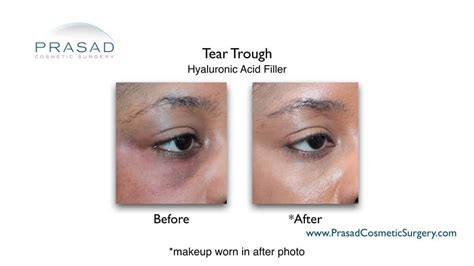
- Replacing Lost Volume: They fill in the hollows of the tear trough, restoring a smoother contour.
- Reducing Shadows: By filling the depression, the shadows that create the appearance of dark circles are diminished.
- Improving Skin Texture: Some HA fillers can also contribute to smoother, more hydrated under-eye skin.
Popular HA Filler Brands for Under-Eye Treatment
Several HA fillers are specifically formulated for the delicate under-eye area, offering different properties:
- Restylane Eyelight: Known for its firm yet flexible texture, it integrates seamlessly with natural tissues and is beneficial for moderate under-eye hollows. Results typically last 12-18 months.
- Juvederm Volbella: A lightweight gel with a smooth consistency, it effectively smooths the under-eye area, improving texture and hydration. Results can last for one year or more.
- Belotero Balance: This filler integrates well with natural tissues, providing subtle correction without adding bulk. It is particularly good for fine lines and thin skin, with results lasting six to nine months.
- RHA Fillers: These are designed to adapt to facial movement and are suitable for dynamic areas, offering a lower risk of migration. Longevity is typically 9-15 months.
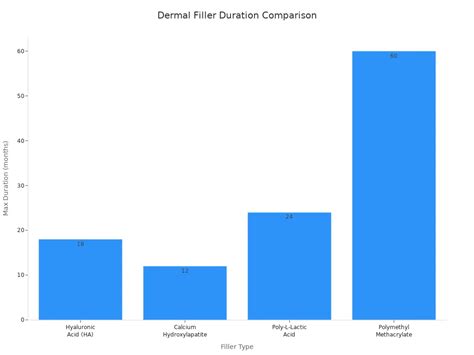
The use of HA fillers is preferred because they are reversible with an enzyme called hyaluronidase if needed, blend naturally with existing tissues, and have a low risk of allergic reactions. Other types of fillers, such as those containing calcium hydroxylapatite or poly-L-lactic acid, are generally not recommended for the under-eye area due to higher risks.
The Eye Filler Procedure
The procedure for administering eye fillers is generally quick, minimally invasive, and requires little to no downtime.
What to Expect During Treatment
- Preparation: The treatment area is thoroughly cleansed, and a topical numbing cream is applied to ensure comfort. Many fillers also contain lidocaine for added pain relief.
- Marking: The provider carefully marks the injection sites to ensure precision and optimal results, assessing shadow formation in an upright position.
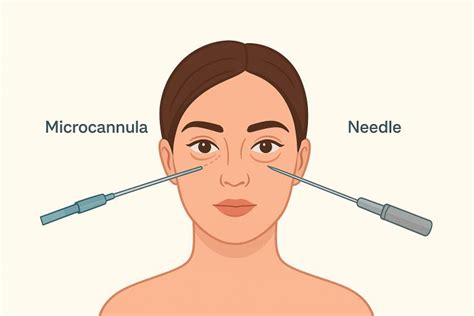
- Injection: Dermal fillers are injected into the pre-determined spots under the eyes. Experienced injectors often prefer using a blunt-tipped micro-cannula instead of a sharp needle, which can reduce the risk of bruising, bleeding, and vascular complications.
- Immediate Assessment: The provider evaluates the results on the spot and makes any necessary adjustments. The goal is often a conservative approach, using minimal amounts (e.g., 0.5-1ml per side) to avoid an overfilled appearance.
The entire procedure typically takes between 30 to 45 minutes. While results are immediate, some temporary redness and swelling may be noticeable.
Recovery, Aftercare, and Benefits
Following the procedure, most patients can resume their daily activities with minimal disruption. Proper aftercare is essential for optimal healing and results.
Immediate Recovery Period
- Swelling: Temporary swelling occurs in about 50% of treatments and typically resolves within 1-2 weeks.
- Bruising: While not universal, bruising is a common side effect that usually subsides within 2 weeks.
- Redness: Some redness at the injection sites is normal and generally fades within hours to days.
Aftercare Tips
- Apply ice packs in 20-minute intervals for the first 48 hours to minimize swelling.
- Avoid strenuous exercise for 48 hours.
- Try to sleep with your head elevated for the first few nights.
- Do not massage or press on the treated area unless specifically advised by your provider.
- Some patients may find natural anti-inflammatories like arnica montana or pineapple helpful, though scientific evidence varies.
Benefits of Eye Fillers
The benefits of eye fillers extend beyond just cosmetic improvement:
- Immediate Results: Unlike topical treatments, fillers offer instant enhancement.
- Natural Appearance: When administered correctly, fillers create a subtle, natural look.
- Confidence Boost: Many patients report increased self-confidence and reduced self-consciousness.
- Reduced Reliance on Makeup: The need for concealer may decrease significantly.
- Potential Collagen Stimulation: Some evidence suggests HA fillers may encourage natural collagen production over time.
Studies have shown high patient satisfaction rates, with many reporting feeling more attractive and looking less tired after treatment.
Longevity of Results
The duration of results from eye fillers can vary depending on several factors:
- Product Used: Different HA fillers have varying longevity profiles.
- Area Treated: The under-eye area, with less movement, tends to retain filler longer than more mobile facial regions.
- Individual Metabolism: How quickly the body breaks down the filler plays a role.
- Amount Injected: Achieving "full correction" can lead to more durable results.
Typically, under-eye fillers last between 6 to 18 months, with many patients enjoying results for around 12 months before considering touch-ups. The reversibility of HA fillers offers an advantage if results are unsatisfactory or complications arise.
Alternatives and Surgical Options
While fillers are highly effective for volume loss, they are not a permanent solution and may not be suitable for all causes of dark circles. In such cases, or for more significant concerns, other treatments may be considered.
Surgical Treatments
- Lower Eyelid Surgery (Blepharoplasty): This procedure addresses excess fat under the eyes, removes sagging skin, and tightens the area, reducing puffiness, bags, and dark circles.
- Fat Transfer: This involves harvesting a patient's own fat from another area of the body, purifying it, and injecting it into the under-eye area for a long-term correction solution.
Combining lower eyelid surgery with dermal fillers can provide a comprehensive approach, addressing both structural issues and skin laxity.
Other Non-Surgical Options
- Laser Treatments: Lasers can target skin quality, tone, and texture issues, including hyperpigmentation and improving skin thickness.
- Chemical Peels: Certain peels can help to reduce pigmentation and improve skin texture.
- Medical-Grade Skincare: Topical treatments with ingredients like retinoids, vitamin C, and peptides can help improve skin quality and reduce the appearance of dark circles over time.
- Microneedling: This treatment can stimulate collagen production and improve skin texture.
For individuals whose dark circles are primarily due to pigmentation or visible blood vessels, treatments like laser therapy or specific topical agents may be more appropriate than fillers.
Choosing the Right Practitioner
The success and safety of under-eye filler treatments depend heavily on the skill and experience of the injector. Given the delicate nature of the under-eye area, selecting a qualified professional is paramount.
Key Considerations
- Credentials and Experience: Look for board-certified dermatologists, plastic surgeons, or experienced nurse practitioners who specialize in facial aesthetics and have a proven track record with tear trough fillers.
- Anatomical Knowledge: The injector must have a deep understanding of facial anatomy to avoid complications and achieve natural-looking results.
- Consultation: A thorough consultation is essential to discuss your concerns, assess the cause of your dark circles, and determine the most suitable treatment plan.
- Before-and-After Photos: Reviewing a practitioner's portfolio can provide insight into their aesthetic style and results.
- Safety and Environment: Ensure the treatment is performed in a clean, professional medical setting.
It is crucial to have realistic expectations and understand that while fillers can significantly improve the appearance of dark circles caused by volume loss, they are not a universal solution for all under-eye concerns. A skilled provider will be honest about the limitations of the treatment and alternative options if fillers are not the best fit.