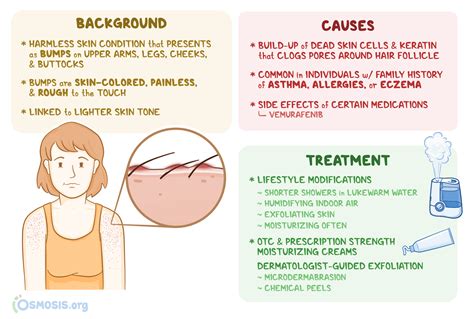
Keratosis pilaris (KP), commonly referred to as "chicken skin," is a prevalent and often frustrating skin condition characterized by the appearance of small, rough bumps. These bumps typically manifest on the upper arms, thighs, cheeks, or buttocks, creating a sandpaper-like texture. While KP is generally harmless and does not lead to long-term skin damage, its cosmetic appearance can be a source of concern for many individuals.
The condition arises from a buildup of keratin, a natural protein that protects the skin. This excess keratin obstructs hair follicles, leading to inflammation and the formation of small bumps. These bumps can be flesh-toned, red, or slightly inflamed, and in some cases, the surrounding skin may exhibit mild redness. While KP is not typically painful, it can sometimes be accompanied by itchiness or irritation, particularly when the skin is dry.
Understanding the Causes of Keratosis Pilaris
The exact cause of keratosis pilaris remains unknown, but it is understood to have a significant genetic component, often running in families. Several factors are thought to contribute to its development:
- Genetic Predisposition: A family history of KP significantly increases the likelihood of developing the condition.
- Keratin Buildup: The primary mechanism involves the overproduction or accumulation of keratin, which clogs hair follicles.
- Associated Conditions: KP is more frequently observed in individuals with other health conditions, including asthma, eczema, ichthyosis vulgaris, obesity, and dry skin.
- Nutritional Deficiencies: In some instances, KP has been associated with deficiencies in vitamin A or essential fatty acids, which can be linked to malabsorption issues.
It is important to distinguish keratosis pilaris from other skin conditions. For example, a rash that resembles KP in individuals with gluten intolerance might actually be dermatitis herpetiformis, a distinct condition. While there is no direct scientific evidence linking gluten intolerance to KP, some individuals with celiac disease or gluten sensitivity report improvements in their skin after eliminating gluten from their diet. This anecdotal evidence, however, does not imply a universal benefit from gluten avoidance for everyone with KP.
Symptoms and Appearance
Keratosis pilaris typically presents as clusters of small, rough bumps that are often described as feeling like sandpaper. The color of these bumps can vary:
- Flesh-toned
- White
- Red or slightly inflamed
The affected areas may also feel dry and rough. While the condition can persist year-round, it often worsens during drier, colder months and may improve during the summer. The bumps themselves are harmless, but the texture and appearance can be a concern for those affected.
Managing and Treating Keratosis Pilaris
Although keratosis pilaris cannot be completely cured, its appearance and symptoms can be effectively managed with consistent skincare and appropriate treatments. The primary goal of treatment is to hydrate the skin, reduce keratin buildup, and minimize inflammation.
Gentle Skincare Routines
Adopting a gentle skincare routine is crucial for managing KP. Key practices include:
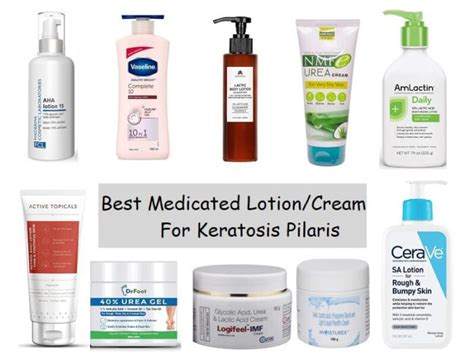
- Moisturizing: Regular application of moisturizers is paramount, especially after bathing or showering while the skin is still damp. Look for emollients containing ingredients like ammonium lactate, alpha-hydroxy acids (e.g., lactic acid, glycolic acid), urea, or salicylic acid, which help to hydrate, soften, and gently exfoliate the skin.
- Lukewarm Showers: Opt for shorter showers (15 minutes or less) using lukewarm water instead of hot water, as hot water can strip the skin of its natural oils and exacerbate dryness.
- Mild Cleansers: Use mild, non-scented soaps or body washes that are less likely to irritate the skin.
- Gentle Exfoliation: While aggressive scrubbing should be avoided, gentle exfoliation using a loofah, washcloth, or exfoliating scrub can help remove dead skin cells and reduce keratin buildup.
- Humidifiers: Using a humidifier in dry environments can help add moisture to the air, benefiting the skin's hydration levels.
Over-the-Counter and Medicated Treatments
Several over-the-counter and prescription treatments can help improve the appearance of KP:
- Moisturizing Lotions: Over-the-counter lotions with ingredients like ammonium lactate or alpha-hydroxy acids can soften and smooth bumpy skin.
- Medicated Creams: Prescription-strength moisturizers containing urea, alpha hydroxy acids, salicylic acid, or glycolic acid can enhance skin texture. Medicated vitamin A creams (topical retinoids) can also be beneficial by increasing cell turnover and preventing follicle plugging. It is important to use these as directed to avoid skin irritation.
Professional Treatments
For more persistent cases, a dermatologist may recommend professional treatments:
- Laser Treatments: These can help improve any associated discoloration of the skin.
- Chemical Peels: Peels using agents like salicylic acid or glycolic acid can help exfoliate the skin and reduce keratin buildup.
- Microdermabrasion: This procedure involves intense exfoliation to smooth the skin's surface.
- Topical Corticosteroids: May be prescribed for short-term relief of itchiness and inflammation.
KERATOSIS PILARIS - DERMATOLOGIST TREATMENT GUIDE
Dietary Considerations and Home Remedies
While diet is not considered a primary cause of keratosis pilaris, some individuals explore dietary changes. Increasing intake of essential fatty acids, such as omega-3s found in cold-water fish like salmon and mackerel, may help reduce inflammation. Some people also report benefits from eliminating dairy or sugar. However, it is crucial to consult a healthcare provider before making significant dietary changes, especially if you suspect a food intolerance or allergy.
Several home remedies may help improve the skin's appearance, though they are unlikely to make KP disappear entirely:
- Apple Cider Vinegar: Diluted with water, its malic acid content can act as a natural exfoliant.
- Baking Soda Paste: Used as a gentle exfoliant, a paste made with baking soda and water can be applied and massaged into the skin.
- Coconut Oil: Its moisturizing, anti-inflammatory, and antibacterial properties can help reduce redness and inflammation.
- Hydration: Drinking plenty of water supports overall skin hydration.
It is essential to remember that home remedies should be used cautiously, and a patch test is advisable to check for any adverse reactions. Furthermore, picking at or scratching the bumps should be avoided, as this can lead to scarring, infection, and worsening of the condition.
Keratosis pilaris typically improves with age, often becoming less noticeable by the early thirties. However, the condition can be persistent, and flare-ups may occur, especially in dry or cold weather. Consistent management through gentle skincare, moisturizing, and appropriate treatments can significantly improve the skin's texture and appearance.
tags: #gluten #intolerance #and #keratosis #pilaris