The media frequently highlights the importance of avoiding sunburns, limiting sun exposure, and using sunscreen. This emphasis is well-founded, as skin cancer is one of the most common yet preventable forms of cancer. Understanding sunburns and how to protect yourself is crucial, especially during sunny seasons.
Understanding Sunburn Severity
When you spend too much time under the sun's ultraviolet (UV) rays, your skin can become sunburned. Your body naturally produces melanin, also known as a suntan, to shield skin cells from UV damage. The amount of melanin your genetics allow you to produce determines your skin's natural protection. For some individuals, this natural defense is insufficient. Excessive UV light leads to skin burning. Typically, about four hours after sun exposure, your skin will appear red and feel sore. This discomfort is a signal that your body is actively repairing the damaged skin cells.
The duration of a sunburn depends on its severity:
- Mild sunburns usually present with redness and some pain, and can last for three to five days.
- Moderate sunburns can cause the skin to become red, swollen, and hot to the touch. This type of burn typically takes about a week to heal completely.
- Severe sunburns may result in painful blistering or very red skin and can require up to two weeks for full recovery.
The Impact of UV Rays and Cancer Risk
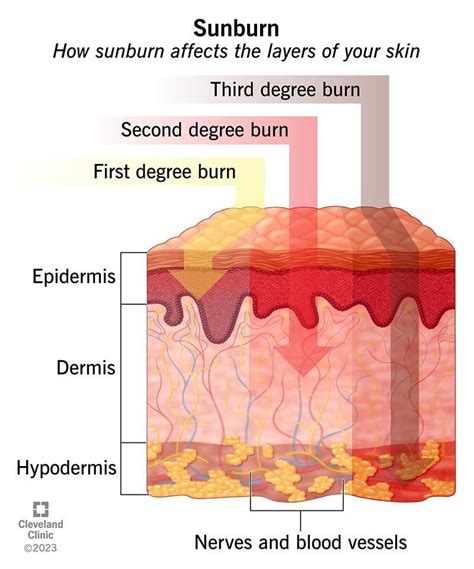
You might wonder, "What harm can a single sunburn cause?" The answer is significant: even one sunburn can increase your risk of developing skin cancer. The burn itself is not the direct cause; rather, it's the extent of sun exposure associated with that burn that elevates your risk. After a sunburn, it's common for the affected skin to peel. This is your body's mechanism for shedding cells that are at risk of becoming cancerous. When deeper skin layers absorb UV radiation from sunlight, the genetic material within skin cells can become damaged. This cellular damage is what leads to an increased risk of developing skin cancer.
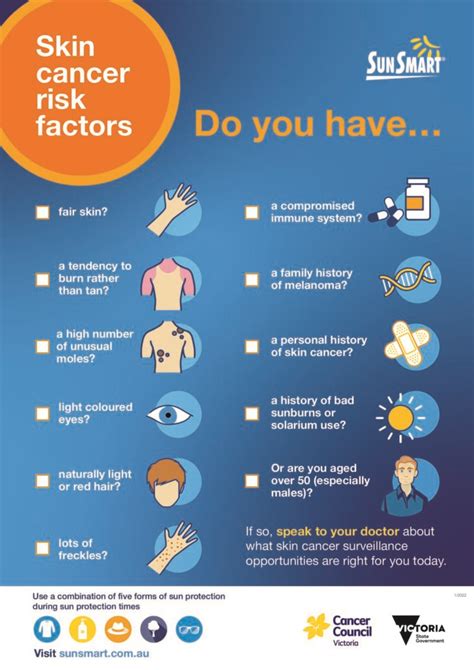
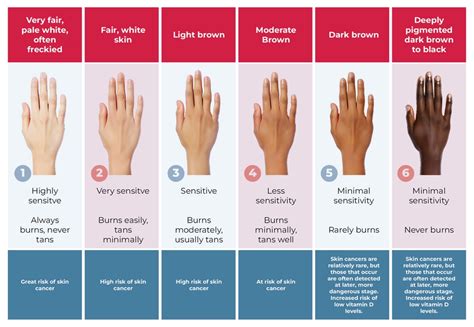
Individuals of all ages and backgrounds are susceptible to sun damage. However, your risk is higher if you:
- Have freckles or very fair skin.
- Are exposed to sunlight reflected from snow or water.
- Live near the equator or at high altitudes.
- Are taking medications that increase your skin's sensitivity to the sun.
Protecting Your Skin from Sun Damage
There are several proactive measures you can take to protect your skin every time you go outdoors. It's important to remember that clouds only block about 20 percent of UV rays, making it possible to burn even on overcast days. Therefore, consistent sun protection is vital.
Effective sun protection strategies include:
- Applying a broad-spectrum sunscreen with an SPF of at least 30 regularly. Remember to reapply, especially after swimming or sweating.
- Wearing protective clothing, such as long-sleeved shirts and pants made from tightly woven fabrics. Look for clothing with a UPF (Ultraviolet Protection Factor) rating.
- Using wide-brimmed hats to shield your face, neck, and ears.
- Wearing UV-blocking sunglasses to protect your eyes and the delicate skin around them.
- Seeking shade, particularly during peak sun hours (typically between 10 a.m. and 4 p.m.).
Why Should You Wear Sunscreen? | Body Science for Kids
Caring for a Sunburn
If you do get sunburned, it's important to take immediate action. At the first sign of a burn, get out of the sun and drink plenty of water. Your skin loses significant moisture when sunburned, making hydration essential for the healing process. Many people find relief from applying moisturizers, and skin creams containing vitamins C and E may help mitigate skin damage. Depending on the level of pain associated with your sunburn, you might consider taking ibuprofen or applying a cool compress. In the days following a sunburn, continue to stay covered and avoid direct sunlight to allow your skin to heal.
First-degree sunburn affects the top layer of skin and typically heals on its own within a few days. Symptoms may include redness, a warm or tight feeling, mild swelling, and soreness. Peeling of the skin can occur about seven to ten days after exposure. Accompanying symptoms might include headaches, a slight fever, fatigue, and nausea. To ease the symptoms of a first-degree sunburn, you can:
- Take a cool bath or shower.
- Stay hydrated by drinking plenty of fluids.
- Apply cool compresses to the affected area.
- Take over-the-counter pain relievers like ibuprofen or acetaminophen for pain, headaches, or fever.
- Avoid further sun exposure until the sunburn has healed.
- Apply moisturizing cream, aloe vera, or petroleum jelly to the skin.
- Lightly bandage any blistered areas to prevent infection and apply an antiseptic ointment.
Second-degree sunburn penetrates beyond the skin's outer layer, damaging the dermis beneath. This type of burn can take weeks to heal and may require specialist treatment. Symptoms of a second-degree sunburn include deep redness, significant swelling, blistering over a large area, skin that appears wet-looking and shiny, and pain. You might also notice a white discoloration within the burned area.
For second-degree sunburn, follow the same steps as for first-degree burns, but also seek professional medical advice. Contact a doctor if you have severely blistered and swollen skin, or if you experience symptoms of heatstroke or heat exhaustion. These can include a high temperature, nausea, headache, muscle cramps, feeling extremely hot and shivery, weakness, exhaustion, dizziness, unusually heavy sweating, or shortness of breath. Severe second-degree sunburns may require specialist burn creams and dressings, and occasionally hospital treatment, especially if accompanied by heatstroke.
When to Seek Medical Attention
It is essential to consult a healthcare provider if your sunburn causes a fever, chills, or nausea, as these could be indicators of severe dehydration or sun poisoning. Children and infants with severe sunburn should always be seen by a healthcare professional for appropriate advice and treatment.
The Skin Cancer Foundation advises seeking professional medical help if:
- Blistered skin covers a large portion of your body.
- Blisters develop on your face, hands, or genitals.
- There are signs of infection, such as foul-smelling pus, bleeding, increasing pain, or swelling.
- Symptoms do not improve within a few days.
Seek emergency treatment if you experience fever, confusion, fainting, or symptoms of dehydration, heatstroke, or heat exhaustion.
Sunburn in childhood can significantly increase the risk of developing skin cancer later in life. Individuals who frequently experience sunburn should consult a dermatologist, as this pattern of exposure also elevates skin cancer risk. Furthermore, sunburn can accelerate the skin's aging process, leading to premature wrinkles and pigmentation issues.