The history of Japanese makeup is a rich tapestry woven through centuries of cultural exchange, evolving aesthetic ideals, and societal shifts. From ancient rituals to modern innovations, the pursuit of beauty has been a constant, reflecting the unique sensibilities of Japanese culture.
Early Influences and the Dawn of Cosmetics
The earliest evidence of cosmetic use in Japan dates back to the Kofun period (c. 250-538 AD), with Haniwa figurines found with red pigment on their faces and bodies. While this pigment might have served a protective purpose rather than purely aesthetic, it suggests an early engagement with color for adornment.
A more definitive engagement with cosmetics began in the late 6th century. During the Asuka period (592-710), continental culture, including cosmetic methods and products, was introduced to Japan through missions to Sui Dynasty China. This era saw the introduction of white powder (oshiroi), made from lead, and the use of red pigments for lips. Historical texts like the Nihon Shoki record Empress Jito's delight upon receiving lead-based white powder.
The aesthetic of "white skin equals beauty" began to take root during the Heian period (794-1185). As Japan's embassies to Tang China ceased, a distinct Japanese aesthetic emerged, moving away from Chinese imitation. Women wore their hair long and straight, applied white face powder, plucked their eyebrows, and repainted them higher on the forehead, and blackened their teeth (ohaguro). This emphasis on pale skin was influenced by Chinese poetic ideals and became a symbol of high social status, indicating a life free from the harshness of outdoor labor.
The Flourishing of Makeup in the Edo Period
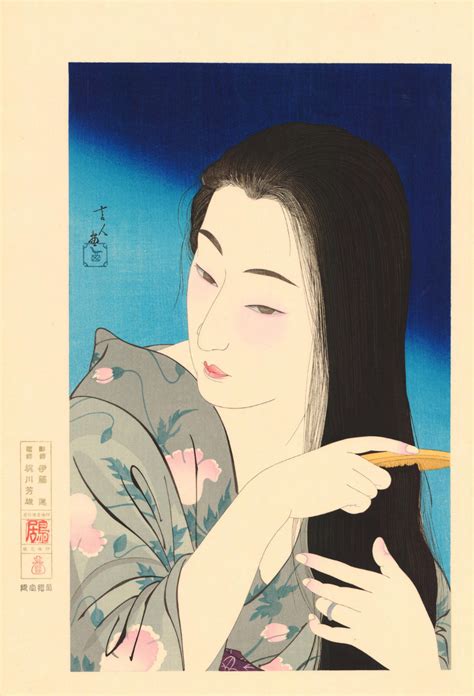
The Edo period (1603-1868) marked a golden age for Japanese traditional cosmetics, characterized by economic stability and a burgeoning townspeople's culture. Makeup became more accessible and reached a peak of sophistication.
The Three Pillars of Edo Makeup
During this era, makeup practices largely revolved around three core colors:
- White Makeup: Primarily achieved with Oshiroi (white powder), which was applied with a focus on achieving a refined, delicate finish. The ideal was a smooth, white complexion, famously captured in the proverb, "white skin covers seven flaws."
- Black Makeup: This encompassed practices like eyebrow blackening and teeth blackening (ohaguro). Ohaguro, in particular, became an established beauty practice and a symbol of a woman's married status, with women often blackening their teeth before marriage.
- Red Makeup: Rouge, derived from safflowers, was used to add color to the lips, cheeks, and even fingernails. A popular technique involved applying it darker on the lower lip and lighter on the upper, with an iridescent effect sometimes sought.
The flourishing of culture among the townspeople was supported by economic stability and improved distribution routes, which ensured a stable supply of cosmetic ingredients. The rise of printing technology and a high literacy rate among girls also contributed to the dissemination of knowledge about culture and cosmetics through books and guides.
The comparison of shopping guides between the Genroku (1688-1704) and Bunka-Bunsei (1804-1830) periods illustrates this growth, with the number of white powder shops in Edo dramatically increasing.
Makeup also played a significant role within the Edo period's social system. Teeth blackening and eyebrow shaving were often part of rites of passage, signifying marriage or childbirth. While nobility and upper-class samurai families practiced shaving eyebrows and drawing new ones higher on the forehead, this practice was also adopted by townspeople, albeit often simplified.
The Influence of Ukiyo-e and Beauty Manuals
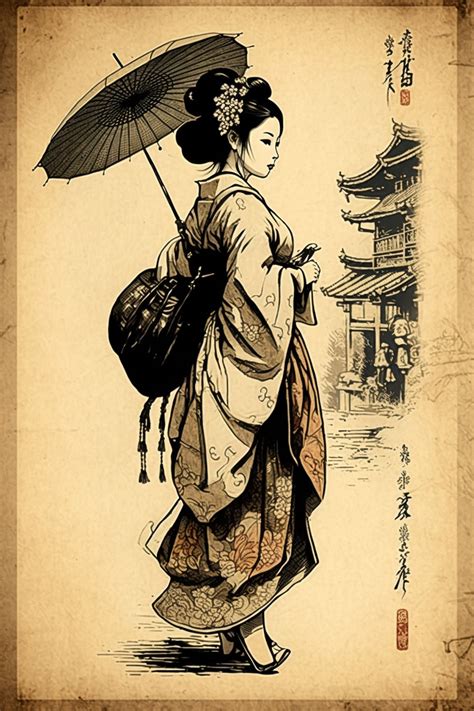
The advent of Ukiyo-e (woodblock prints) played a crucial role in popularizing cosmetics among the masses. These prints depicted Oiran (high-ranking courtesans) and Kabuki actors, who became fashion leaders. Their beauty rituals, including the distinctive white makeup, were admired and emulated by women. Ukiyo-e acted as the social media of its time, making the styles of these trendsetters accessible.
Beauty guides, such as the Miyako Fūzoku Kewaiden (A Handbook of Cosmetics in the Capital) published in 1813, became popular. These manuals provided detailed instructions on makeup application, emphasizing the importance of fair skin and offering advice on achieving a natural yet refined look. They also highlighted how common women adapted makeup trends to suit their own features and the times.
Transition to Modernity and Shifting Ideals
The Meiji period (1868-1912) marked a significant turning point as Japan embraced modernization and Western influences. An official government decree in the third year of Meiji (1870) outlawed practices like tooth-blackening and eyebrow shaving among the elite. Empress Meiji herself ceased blackening her teeth in 1873, gradually leading ordinary women to follow suit.
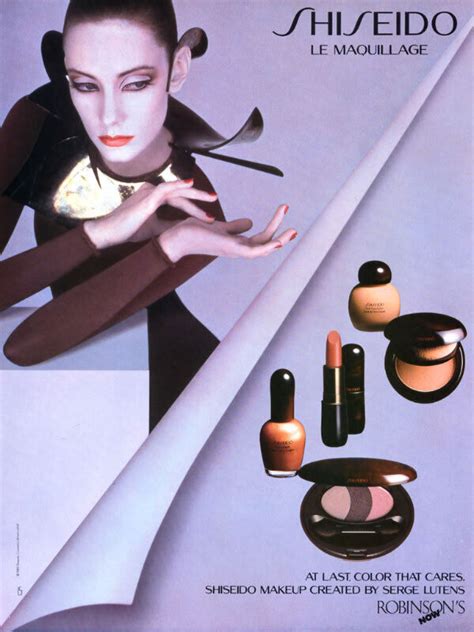
The early Meiji period saw the introduction of Westernized cosmetics and makeup methods, facilitated by imported technologies and the establishment of pioneering companies like Shiseido (founded in 1872) and Kao (predecessor founded in 1887). Face powder began to be sold in a broader range of tints, and tube lipsticks using new pigments replaced traditional safflower-based rouge.
The Taisho and Post-War Eras
During the Taisho period (1912-1926), with increasing societal and workplace advancements for women, makeup trends shifted towards quick, convenient application that aided social interaction. The 1920s saw trends like thin, sagging eyebrows and thin lips, which evolved into arched eyebrows and enlarged lips by the 1930s.
Following World War II, Japan was heavily influenced by American mass media. The introduction of pancake makeup from the US in 1954 brought cosmetics into mainstream interest. The 1960s saw a focus on eye and mouth makeup, while the late 1970s brought softer shades and a more serene aesthetic.
Contemporary Japanese Beauty Standards
Present-day Japanese beauty trends emphasize an individualistic approach, incorporating elements like nail art and medicated cosmetics. While the Edo-period ideal of stark white skin is no longer the sole standard, the pursuit of flawless, bright, and healthy skin remains paramount. Natural ingredients and advanced skincare functions are highly valued, with products focusing on anti-aging and correcting hyperpigmentation.
Traditional elements, such as the emphasis on well-cared-for skin, continue to influence modern aesthetics. Japanese makeup often focuses on creating a "barely there" look with an emphasis on smooth, natural-looking skin, utilizing products that enhance radiance and clarity. The legacy of Japanese cosmetic history is evident in the enduring appreciation for refined beauty and the innovative spirit that continues to shape the global beauty market.