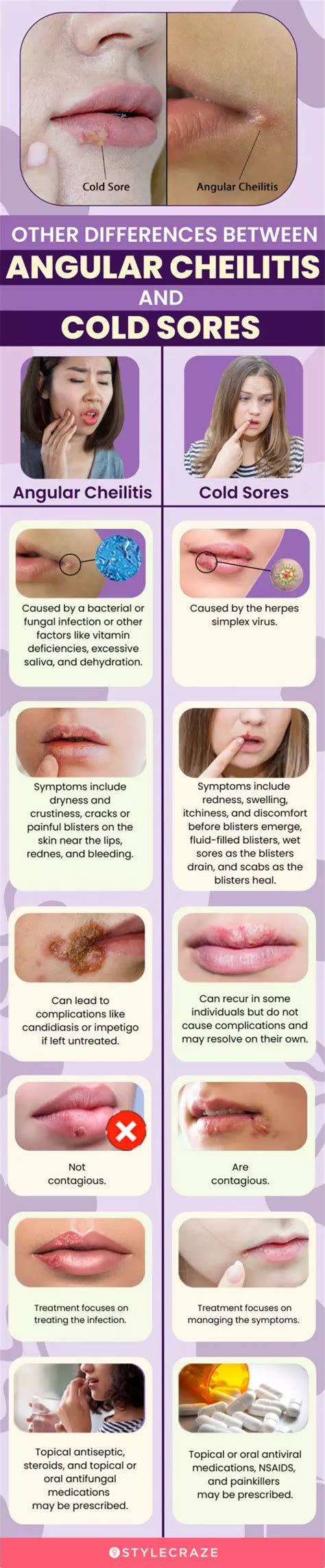
It can be challenging to distinguish between various mouth sores, especially when they share similar symptoms. While a hard, red cluster of bumps on or near the lip might immediately suggest a cold sore, other conditions can present with comparable characteristics. This is particularly true for individuals experiencing a cold sore for the first time or noticing variations from previous occurrences. Understanding the distinct features, causes, and progression of conditions like cold sores and angular cheilitis is crucial for accurate diagnosis and effective treatment.
What are Cold Sores?
Cold sores, also known as fever blisters, are a symptom of oral herpes, caused by the herpes simplex virus (HSV). Once contracted, this virus remains dormant in the body for life, capable of resurfacing periodically. The frequency and severity of outbreaks depend on an individual's immune system.
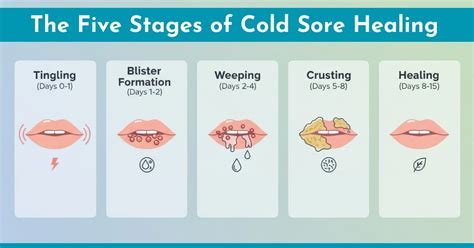
Stages of Cold Sore Development
Cold sores typically progress through distinct stages:
- Tingling Stage: Often preceded by a tingling, itching, or burning sensation in the affected area, signaling an impending outbreak.
- Progression/Blistering Stage: Within 48 hours, red clumps of small, fluid-filled blisters appear. This stage indicates the virus is replicating.
- Weeping/Ulcer Stage: The blisters burst, releasing clear fluid. This is also known as the ulcer or weeping stage.
- Crusting Stage: The open sores begin to dry and form a brown or yellow scab.
- Healing Stage: The scab gradually peels away, and the skin heals, typically without scarring.
The entire cold sore progression usually takes an average of 7-10 days. The first outbreak can be more intense and may take up to three weeks to heal. Cold sores can vary in appearance, presenting as one large blister or a cluster of smaller ones, and can spread beyond the lip border onto the face, nose, or chin.
What is Angular Cheilitis?
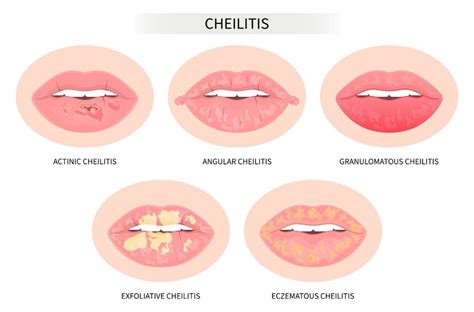
Angular cheilitis, also known as perleche or angular stomatitis, is an inflammatory condition affecting the corners of the mouth. It is characterized by dry, red, cracked, and sometimes bleeding sores. Unlike cold sores, angular cheilitis is not contagious and is often caused by factors such as fungal infections, excess moisture, or irritation.
Causes of Angular Cheilitis
The primary cause of angular cheilitis is often an overgrowth of yeast (Candida albicans) or bacteria in the moist skin folds at the corners of the mouth. This can be exacerbated by:
- Excess saliva collecting and drying in the corners of the mouth.
- Poorly fitted dentures or dental issues.
- Chronic lip licking.
- Nutritional deficiencies (e.g., iron, B vitamins, protein).
- Underlying health conditions like diabetes, inflammatory bowel disease (IBD), or Sjögren's syndrome.
- Contact dermatitis from irritants.
- Dry, chapped lips.
- Bacterial infections.
In some cases, the cause cannot be determined, leading to a diagnosis of idiopathic angular cheilitis.
Stages of Angular Cheilitis
Angular cheilitis can develop in stages:
- Minor Stage: Characterized by tiny, flaky skin around the mouth corners, causing slight constriction and minor irritation when opening the mouth.
- Mild Stage: Increased tightness in the mouth corners, flaking skin, and redness around the mouth. This stage can be uncomfortable, especially when widening the mouth.
- Severe Stage: If untreated, the condition progresses to irritation and pain with speech, eating, or mouth opening. Lesions become more evident at the edges of the mouth.
- Chronic Stage: Defined by recurring symptoms, intense discomfort, and pain due to persistent dryness and cracks. This stage may require months of treatment and can be ongoing.
Differentiating Cold Sores and Angular Cheilitis
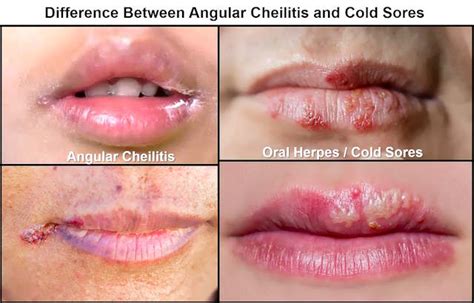
While both conditions can cause discomfort and affect the area around the mouth, they have distinct characteristics:
Appearance
- Cold Sores: Typically begin as fluid-filled blisters that may appear red or pink on lighter skin tones, and brown or purple on darker skin tones. They can form in clusters and may spread beyond the lip border. They often have a larger area of red, inflamed skin around them and no discernible whitehead.
- Angular Cheilitis: Usually presents as dry, cracked, red, and irritated skin at the corners of the mouth. It may involve fissures, bleeding, and a scaly appearance. While it can cause pain and rawness, it typically does not involve fluid-filled blisters unless a secondary infection occurs.
Causes
- Cold Sores: Caused by the herpes simplex virus (HSV), specifically HSV-1 in most cases.
- Angular Cheilitis: Often caused by fungal (yeast) or bacterial infections, but can also stem from irritation, dryness, nutritional deficiencies, or underlying medical conditions.
Contagiousness
- Cold Sores: Highly contagious and can be spread through direct contact, even when no visible symptoms are present.
- Angular Cheilitis: Not contagious.
Location
- Cold Sores: Can appear on the lips, around the mouth, and occasionally on the face.
- Angular Cheilitis: Primarily affects the corners of the mouth, though it may sometimes extend onto the lips or face.
Treatment Approaches
The treatment for these conditions differs significantly due to their underlying causes:
Cold Sore Treatment
Treatment for cold sores focuses on managing symptoms and shortening the duration of outbreaks. Options include:
- Over-the-counter (OTC) pain relievers and anti-inflammatory creams.
- Antiviral ointments or oral medications prescribed by a doctor to lessen severity and duration.
- Keeping the area clean and dry.
- Sunscreen to protect healing skin.
Most cold sores heal on their own within 7-10 days, but medical intervention can accelerate healing, especially for severe or frequent outbreaks (more than 6-8 per year).
Angular Cheilitis Treatment
Treatment for angular cheilitis depends on the identified cause:
- Topical Antifungals/Antibiotics: For fungal or bacterial infections.
- Topical Steroids: To reduce inflammation and pain.
- Barrier Ointments: Such as petroleum jelly or zinc oxide, to protect the skin.
- Addressing Underlying Causes: This may involve dental work for ill-fitting dentures, dietary changes for nutritional deficiencies, or managing chronic health conditions.
- Good Oral Hygiene: Maintaining cleanliness is essential.
Mild cases may resolve with simple lip balms or barrier creams, while more severe or persistent cases require medical consultation for diagnosis and prescription treatments.
When to Seek Medical Advice
If you are unsure whether you have a cold sore or angular cheilitis, or if your symptoms worsen, persist for longer than two weeks, or are accompanied by severe pain, it is advisable to consult a primary care physician or a dermatologist. They can perform a physical examination, take a medical history, and potentially conduct tests (like a mouth swab or blood tests) to determine the exact cause and recommend the most appropriate treatment plan.