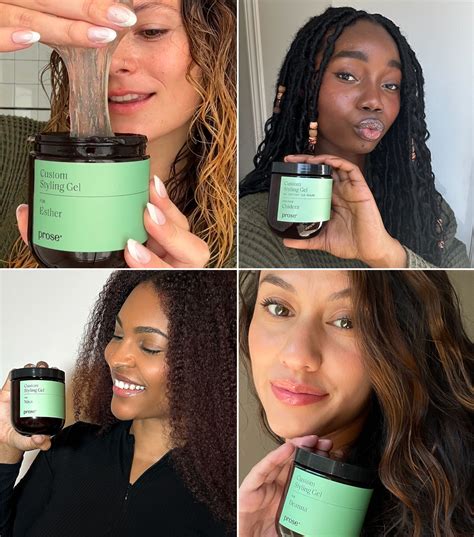
Styling Gel is formulated to provide flexible, flake-free hold suitable for all curl types. Additionally, it enhances moisture and offers heat protection up to 450°F.
Key Ingredients and Their Functions
Core Components
- Water (H2O): The most common skincare ingredient, purified and deionized to remove mineral ions.
- Alcohol Denat.: Refers to denatured alcohol (ethanol) with various additives. While it acts as an excellent solvent and contributes to elegant, lightweight formulas, it can be drying or even damaging to the skin barrier.
Moisturizing and Hydrating Agents
- Glycerin: A mildly viscous, amber-colored liquid derived from Castor Oil and polyethylene glycol (PEG). It is agile, diligent, and multifunctional, possessing water-binding properties that help keep skin hydrated.
- Coconut Alkanes: A volatile, naturally derived vegetable alkane from renewable sources. It acts as a light emollient ester that absorbs quickly, leaving a dry yet silky finish.
- Xylitylglucoside: A type of sugar that is part of the moisturizing trio known as Aquaxyl, known for its hydrating properties.
- Panthenol (Pro-Vitamin B5): A commonly used ingredient that moisturizes the skin. As a humectant, it attracts and retains water. Panthenol also offers anti-inflammatory and skin-protecting abilities, and studies suggest it can reduce irritation caused by other ingredients. It is also beneficial for nail and hair care, providing hydration to the hair.
Formulation Enhancers and Stabilizers
- Galactoarabinan: A natural polysaccharide derived from Larch trees. It helps reduce transepidermal water loss (moisturizing), improves the appearance of fine lines, enhances formulation spreadability, and provides SPF enhancement.
- Acrylates Copolymer: A polymer of acrylic acid that transforms liquids into gel formulas. It typically requires neutralization with a base like sodium hydroxide to create viscous, clear, and non-tacky gels, making it a popular and common ingredient, usually used at 1% or less.
Preservatives
- Phenoxyethanol: A widely used, gentle preservative that is not a paraben. Introduced around 1950, it can be used up to 1% globally. It has good safety and is gentle on the skin. It offers great thermal stability (up to 85°C) and works across a wide pH range (3-10). Often used with ethylhexylglycerin to enhance its preservative activity.
- Ethylhexylglycerin: A preservative that helps prevent cosmetic products from spoiling. It is gentle and effective in small amounts (up to 1%), but needs to be combined with other preservatives like potassium sorbate for broad-spectrum protection. In higher concentrations, it can be a skin irritant, but is not used in such amounts.
- Potassium Sorbate: A preservative that primarily works against mold and yeast. It breaks down to its active form, sorbic acid, in the presence of water and at the correct pH (3-4). It is not a strong preservative and requires combination with other preservatives for full efficacy. It is also used as a food preservative (E202).
- Sodium Benzoate: A preservative that functions best at acidic pH levels (3-5). It is a mild, natural preservative often found with other mild preservatives like Benzoic Acid and/or Dehydroacetic Acid. It is also used as a food preservative.
pH Adjusters
- Citric Acid: An Alpha Hydroxy Acid (AHA) derived from citrus fruits. While it possesses some skin-improving properties, studies suggest they are less pronounced than those of glycolic or lactic acid.
- Sodium Hydroxide (Lye): A highly alkaline solid used in small amounts to adjust the pH of products. It is crucial for formulations like AHA/BHA exfoliants where precise pH is important. It was historically used by ancient Egyptians to create soap.
Fragrance Components
- Pelargonium Graveolens (Rose Geranium) Flower Oil: The fragrant essential oil from the Rose Geranium plant, containing antioxidant and antimicrobial components, primarily its fragrant constituents like geraniol and citronellol.
- Ylang Ylang Oil: A sweet, exotic, and floral essential oil from the flowers of the Cananga tree. Its composition varies, but it contains fragrant molecules, including linalool, benzyl benzoate, and potential EU sensitizers. It may offer antimicrobial and antioxidant benefits and act as an insect repellent. While its scent is known for calming effects, its allergen content means it has a high potential for skin sensitization.
- Linalool: A very common fragrance ingredient found in plants and cosmetics. It can oxidize upon air exposure, becoming allergenic.
- Geraniol: A common fragrance ingredient that, like other similar compounds, can oxidize and become allergenic.
- Citronellol: A common fragrance ingredient with a rose-like odor, found naturally in geranium and rose oils. It can cause allergic contact dermatitis and should be avoided by those with perfume allergies.