Aquaphor is a versatile skincare product renowned for its powerful occlusive properties, effectively sealing in moisture and aiding in skin barrier repair when applied over hydrating products. Beyond its popular use in "slugging," dermatologists recommend Aquaphor for a variety of specific applications, including the delicate eye area, lips, brows, cuticles, hands, heels, and even for tattoo aftercare and makeup removal.
While generally safe for facial use, Aquaphor may be too heavy for individuals with very oily or acne-prone skin. It is advisable to perform a patch test before widespread application and to avoid "slugging" in hot, humid conditions to prevent pore congestion.
Understanding Aquaphor's Core Ingredients and Mechanism
Aquaphor's efficacy stems from its carefully selected ingredients. Primarily, it is composed of petrolatum, which is a blend of mineral oils and waxes. This forms the base of its occlusive action. Additionally, it contains lanolin, a rich emollient derived from sheep's wool, known for its deep moisturizing capabilities. Lastly, glycerin, a humectant, is included to draw moisture into the skin.
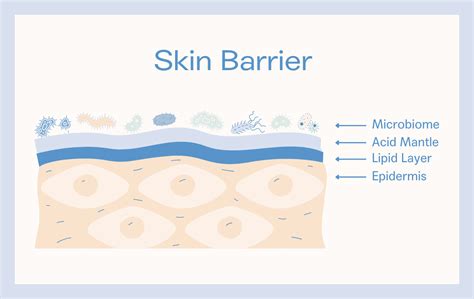
"Together, these ingredients prevent water from evaporating from your face, which helps strengthen the skin barrier and keep skin moisturized and healthy," explains dermatologist Rachel Nazarian, MD. A properly functioning skin barrier is crucial for overall skin health, leading to fewer breakouts, reduced redness and irritation, and a smoother appearance of fine lines over time. This is why skincare enthusiasts, particularly on platforms like Reddit, swear by Aquaphor's ability to transform dry, reactive skin into a calm and comfortable state.
Dr. Nicole Ruth, MD, notes that for individuals dealing with eczema patches or chronically parched skin, the petrolatum in Aquaphor can be particularly helpful in relieving dryness and that tight, uncomfortable sensation.
Diverse Applications of Aquaphor for Skin Concerns
Dermatologists suggest numerous ways to leverage Aquaphor's benefits during dry seasons and beyond:
1. Deep Moisturizing Treatment (Slugging)
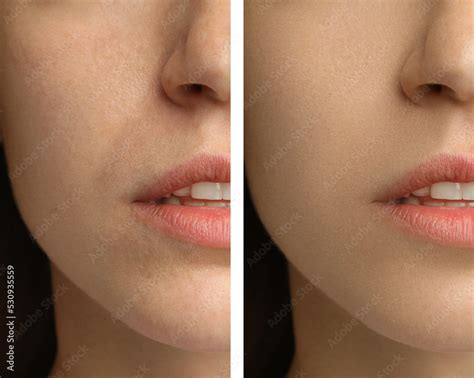
Aquaphor excels as a facial treatment due to its ability to create an occlusive barrier that locks in hydration overnight. It acts as a "skincare blanket," enhancing the effectiveness of serums, toners, and moisturizers by keeping them close to the skin. Dermatologist Mona Gohara, MD, states, "I think slugging is truly the best kept secret-I do it every single night. It really helps build a strong barrier, which makes the application of things like antioxidants, retinols, and peptides way smoother."
2. Eye Ointment
Applied to the under-eye area, Aquaphor can contribute to a smoother, more hydrated appearance. Over time, this may help reduce the visibility of dark circles, as plump, moisturized under-eyes are less likely to reveal underlying darkness and veins. For more rapid or pronounced results, it is recommended to pair Aquaphor with a brightening or retinol eye cream.
3. Eyelash and Brow Conditioner
While Aquaphor does not promote hair growth, it serves as an excellent moisturizer for lashes and brows. According to Dr. Gohara, it strengthens them over time, imparting a shinier and healthier look. It is crucial to exercise caution when applying any product near the eyes and to discontinue use and remove immediately with a wet washcloth if any redness or irritation occurs.
4. Tattoo Aftercare
Tattoo artists frequently recommend Aquaphor and Vaseline for coating healing tattoos. Its fragrance-free, sensitive-skin-friendly formula lightly hydrates, locks in moisture, and soothes irritated skin, providing relief for itchy, crusty tattoos.
5. Makeup Remover
In a pinch, Aquaphor can effectively remove stubborn waterproof mascara. Its rich ointment texture functions similarly to an oil cleanser, gently lifting makeup. Keeping a small tub with cotton swabs handy is useful for quick removal of makeup mistakes, such as liquid eyeliner.
6. Lip Balm and Mask
Aquaphor is a popular choice for lip care, offering a nourishing option that is neither goopy nor sticky. For an intensive overnight treatment, a heavy layer can be applied as a lip mask.
7. Protection During Hair Dye or Self-Tanner Application
Applying a layer of Aquaphor to areas like wrists, knees, elbows, and ankles before self-tanner application helps prevent streaks and splotches. Similarly, dabbing it along the hairline, ears, nails, and cuticles during hair dyeing prevents staining.
8. Cuticle Oil Substitute
Aquaphor acts as an effective substitute for cuticle oil, softening the skin and preventing dryness by locking in moisture. This helps prevent hangnails and contributes to a more polished manicure appearance.
9. Healing Cracked Heels and Hands
The "slugging" technique can be extended to hands and feet. Applying Aquaphor generously before bed and wearing socks or cotton gloves overnight promotes intensive repair for cracked skin.
10. Enhancing Fragrance Longevity
A lesser-known application is dabbing Aquaphor on pulse points before applying perfume. This provides a surface for the fragrance oils to adhere to, helping the scent last longer.
How to Treat a Minor Cut | The Dr. Oz Show Smart Skin Series Presented by Aquaphor®
Addressing Common Concerns: Pores, Acne, and Alternatives
Does Aquaphor Clog Pores on the Face?
Generally, Aquaphor is considered non-comedogenic and does not contain ingredients known to induce breakouts. However, individual reactions can vary, especially for those with oily or acne-prone skin. Dermatologists recommend caution, as even non-comedogenic products can potentially cause issues for some individuals. Dr. Nazarian warns that "slugging" in hot or humid weather might impede the skin's natural sweating process, potentially leading to an acne-like sweat rash or red bumps.
While typically applied at night, individuals prone to excessive sweating during sleep or those with very oily skin might consider skipping this hack. As skin types differ, it's always best to consult a dermatologist for a personalized evaluation before incorporating Aquaphor into a facial routine.
Aquaphor vs. Vaseline
Both Aquaphor and Vaseline are effective occlusives, but they differ in their formulations. Vaseline is pure petroleum jelly, while Aquaphor contains additional moisturizing and soothing ingredients like lanolin, panthenol, glycerin, bisabolol, and mineral oil. For those with lanolin or mineral oil allergies (though uncommon), Vaseline might be a suitable alternative. However, for a richer, more deeply soothing experience, Aquaphor's lanolin-infused formula is often preferred.
Ultimately, Aquaphor is not a direct replacement for a moisturizer but rather a powerful sealant that enhances the skin's natural healing processes and boosts the efficacy of other skincare products. This can lead to softer, dewier skin over time. While slugging may not be suitable for everyone, incorporating Aquaphor a few nights a week can be beneficial for many.
Understanding Aquaphor's Ingredients and Formulations
Aquaphor Healing Ointment is formulated with a blend of key ingredients designed to protect and repair the skin. The primary ingredient is petrolatum, a skin protectant that forms a barrier to trap moisture and prevent water loss. This is complemented by panthenol (a form of vitamin B5) and glycerin, both of which are effective moisturizers that help draw and retain water in the skin. Additionally, ingredients like lanolin alcohol, bisabolol, and mineral oil contribute to its emollient and soothing properties.
The ointment is designed to be gentle, being water-free, fragrance-free, and preservative-free. This formulation makes it suitable for a wide range of skin concerns, including severe dryness, chapped lips, cracked hands and feet, minor cuts, burns, and other skin irritations. It creates a semi-occlusive, protective barrier that supports the skin's natural repair process by allowing water vapor and oxygen to transfer.
Eucerin, the manufacturer of Aquaphor, offers the Healing Ointment in various forms, including regular ointment tubes, body sprays, and roll-on applicators. They also provide a line of baby care products formulated for sensitive infant skin. Some specific Aquaphor products may contain additional active ingredients such as zinc oxide (for diaper rash protection) or hydrocortisone (for itchiness and inflammation).
Clinical Evidence and Safety Considerations
Numerous clinical and dermatological studies have demonstrated the effectiveness of Aquaphor for overall skin health and specific body areas. It is recognized as non-comedogenic and generally well-tolerated by sensitive skin. The makers of Aquaphor emphasize their long history of research and innovation in skin science, collaborating with dermatologists and pharmacists to create effective and trustworthy skincare products.
While Aquaphor is generally safe, potential side effects can include skin reactions at the application site, such as redness, irritation, stinging, or burning. Allergic reactions, though rare, are possible. It is recommended to perform a patch test on a small area of skin 24 hours before applying it more broadly, especially to the face. If any adverse reaction occurs, discontinue use and consult a dermatologist.
Aquaphor products are intended for external use only and should not be applied to open, wet, or bleeding wounds, animal bites, deep wounds, puncture wounds, or serious burns unless specifically indicated on the product label. Always read the product label carefully for specific usage instructions and warnings. If a condition worsens, persists for more than seven days, or clears up and returns, medical attention should be sought.