Ayurveda, an ancient Indian system of medicine, offers a holistic and natural approach to skin care that has been practiced for thousands of years. This time-tested wisdom focuses on balancing the body's inherent energies, known as doshas, to promote optimal skin health and a radiant complexion. By understanding your unique constitution and addressing imbalances, Ayurvedic skincare can be tailored to your specific needs, offering a path to inner balance and outer beauty.
Understanding the Ayurvedic Approach to Skin Care
Ayurvedic skin care is deeply rooted in the belief that true beauty originates from within. It emphasizes a comprehensive approach that considers not only topical applications but also internal health, diet, lifestyle, and emotional well-being. The practice encompasses a range of treatments, including Ayurvedic facials, remedies for skin diseases, and herbal formulations designed to nourish and rejuvenate the skin.
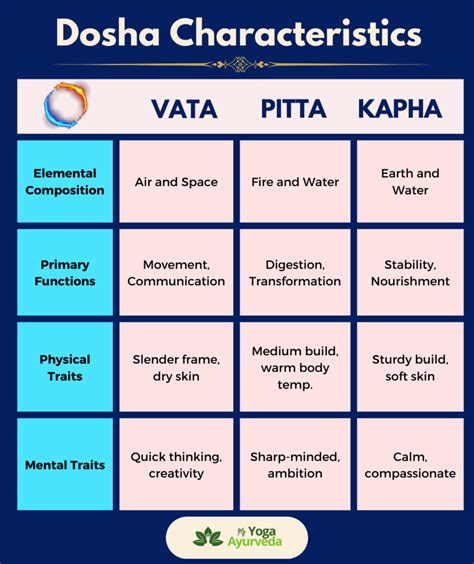
The fundamental principle of Ayurveda is the balance of three doshas: Vata (wind), Pitta (fire), and Kapha (water and earth). These bioenergetic forces govern the body's constitution and physiological processes. Each individual has a unique combination of these doshas, which influences their skin type and predispositions to imbalances.
The Three Doshas and Their Impact on Skin Type
Ayurvedic practitioners assess skin type based on the dominance of one or more doshas. Understanding your doshic constitution is key to tailoring an effective Ayurvedic skincare regimen.
Vata Skin
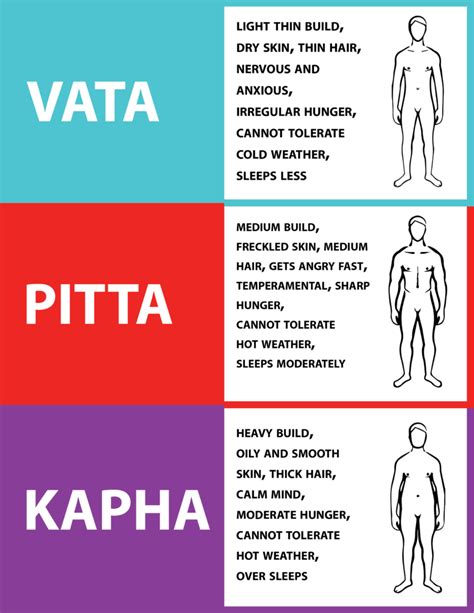
Individuals with a Vata-dominant constitution often have skin that is dry, rough, and thin. This type of skin may be more prone to premature wrinkles and can feel cold to the touch. Vata skin can be particularly sensitive to environmental factors like wind and cold. Imbalances in Vata can manifest as dark pigmentation and patches on the skin.
To balance Vata, the focus is on restoring warmth, hydration, and nourishment. Over-cleansing or using overly astringent products can exacerbate dryness. Opting for oil-based moisturizers and nourishing herbs is recommended.
Recommended ingredients for Vata skin: Sesame oil, almond oil, ashwagandha, geranium, sweet orange.
Pitta Skin
Pitta-dominant skin tends to be oily, warm, and prone to inflammation. This can manifest as redness, acne, rosacea, and sensitivity to sun and heat. Pitta types may also develop moles and freckles more easily.
To balance Pitta, the emphasis is on cooling, astringent, and detoxifying treatments. Ingredients that help absorb excess oil and soothe inflammation are beneficial. Water-based moisturizers and cooling agents are often preferred.
Recommended ingredients for Pitta skin: Aloe vera, turmeric, sandalwood, rose water, coconut oil, geranium oil.
Kapha Skin
Kapha-dominant skin is typically well-hydrated, supple, and smooth, with an even tone and a natural glossiness. It is often cooler to the touch and can appear paler. Kapha skin is generally thicker and more resilient. However, due to its heavy and static qualities, Kapha can tend towards stagnation and accumulation, requiring mild cleansing and detoxification.
For Kapha skin, the approach involves tonification and gentle cleansing. Lighter oils and natural exfoliants can be beneficial. A slight astringency helps to manage any tendency towards sluggishness.
Recommended ingredients for Kapha skin: Jojoba oil, safflower oil, vitamin E oil, Multani mitti (fuller's earth), chickpea flour, almond flour.
External Skincare Routine for Glowing Skin
Ayurveda outlines three core steps for beautiful skin: cleanse, nourish, and moisturize. These principles apply to both full-body and facial care.
Full-Body Skincare
Ayurveda’s approach to cleansing differs significantly from Western practices. Instead of harsh soaps that can dry out the skin and disrupt its natural pH balance, Ayurveda recommends using ubtans - pastes made from herbs, flours, and legumes - for gentle cleansing and exfoliation. These are followed by nourishing and moisturizing with organic unrefined oils.
Cleansing with Ubtan
To create a full-body ubtan, mix equal parts chickpea flour (a gentle exfoliant) and dry milk powder (nourishing for the skin). In the shower, sprinkle about 2 teaspoons of the mixture into your palm, add water to form a thin paste, and gently scrub over wet skin. Rinse thoroughly and pat dry.
Nourishing and Moisturizing with Abhyanga
The practice of abhyanga, or self-massage with oil, is central to Ayurvedic body care. To prepare a nourishing body oil, mix 1 ounce of almond oil with 10 drops of essential oil suitable for your dosha:
- For dry Vata skin: Sweet orange or geranium.
- For sensitive Pitta skin: Jasmine or sandalwood.
- For oily Kapha skin: Lavender or bergamot.
Warm the oil by placing the bottle in hot water. Pour some oil into your palm and massage your scalp, the soles and tops of your feet, and the rest of your body, including your abdomen and spine. Use long, repetitive strokes on your limbs and circular motions on your joints and scalp.
The Sanskrit word for oil, sneha, also means love, highlighting the deeply nourishing and loving aspect of this ritual. Abhyanga is believed to pacify the doshas, enhance complexion and skin luster, tone muscles, and act as a natural moisturizer. According to the Charaka Samhita, it is one of the most effective means of slowing the skin's aging process by purifying, nourishing, and toning the body at a deep cellular level.
AYURVEDIC SELF-ABHYANGA: How to do an Ayurvedic Self-Abhyanga or Self-Massage at home
Facial Care
The same principles of cleansing, nourishing, and moisturizing apply to facial care. A simple, five-minute routine can be highly effective:
- Cleanse: Bathe your face thoroughly with warm water. This helps dead skin cells plump up and become easier to remove.
- Exfoliate: Make an ubtan with 2 tablespoons of oat flour and 1 tablespoon of water. Gently press this paste onto your face using your fingertips to remove dead skin cells without stripping natural oils.
- Tone: Spritz your face with plain water or rose water to moisten the skin.
- Moisturize: While the face is still damp, apply a thin coating of jojoba oil to seal in moisture. Jojoba oil is known for its similarity to the skin's natural sebum, making it less likely to cause irritation.
Internal Routine for Glowing Skin
Ayurvedic beauty experts emphasize that radiant skin and inner balance are cultivated through a dinacharya, or daily routine, that incorporates health-boosting activities.
Diet
Ayurveda generally recommends a healthy, whole foods, largely vegetarian diet for all constitutions. Foods to limit or avoid include fatty, fried, refined, and processed items, as well as excessive salt, sugar, seafood, and red meat, as these can contribute to skin problems.
Exercise & Sleep Hygiene
Regular physical activity, ideally at least five times a week until you sweat along the spine and under the arms, is encouraged. Exercise promotes detoxification through sweating, increases circulation, and calms the mind. Maintaining a consistent sleep schedule, going to bed and waking up at the same time daily, is also crucial. Both exercise and adequate sleep stimulate growth hormone, which supports collagen and elastin production, keeping the skin taut and improving epidermal health.
Yoga for Glowing Skin
Incorporating a balanced hatha yoga practice can enhance beauty on subtle levels by improving circulation of lymph and blood, toning muscles, and fostering a connection with the breath. Pranayama, or yogic breathing exercises, are also vital. Dr. Pratima Raichur notes that shallow breathing can pale the complexion, while heavy breathing causes flushing. Disruptions in natural breathing patterns due to stress deplete prana, the life force that helps engender ojas (vitality), leading to a loss of skin vitality and glow.
Finally, practicing meditation can lead to moments of experiencing oneself as ageless and eternally vibrant, contributing to overall well-being and a radiant appearance.

Ayurvedic Treatments for Specific Skin Conditions
While Ayurveda offers treatments for various skin diseases, it's important to note that scientific evidence supporting their efficacy can be limited. However, Ayurvedic interventions may serve as a helpful complement to conventional medical treatment.
Eczema and Rosacea Relief
In Ayurvedic tradition, eczema is often linked to a Kapha imbalance, while rosacea can be associated with high Pitta. For eczema relief, topical applications of coconut oil mixed with camphor essential oil can be beneficial, focusing on dry patches. For rosacea, cooling treatments like aloe vera gel, known for its anti-inflammatory properties, are recommended.
Camphor Warning: Always use products with less than 11% camphor and avoid applying to broken skin, or the inside of the nose or mouth. Camphor is toxic if ingested or absorbed through mucous membranes. Keep away from children and perform a patch test before use.
Ayurvedic Facials and Home Remedies
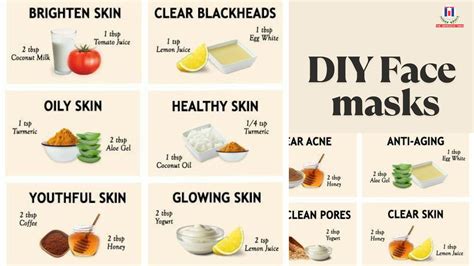
Ayurvedic facials are herbal treatments designed to address skin-related issues. Simple at-home facials and face masks can be prepared using common kitchen ingredients.
DIY Ayurvedic Face Masks
Vata Face Mask
- Ingredients: 1 tbsp chickpea flour, a pinch of turmeric powder, 1/4 cup rose water, yogurt, or cold milk.
- Directions: Mix to form a paste. Apply to the face, leave on for 10-15 minutes (or until just before it dries), and wash off with lukewarm water. Follow with an oil-based moisturizer, such as sesame oil.
Pitta Face Mask
- Ingredients: 1/4 cup aloe vera gel (pure), a few drops of rose water, 1-3 cotton balls.
- Directions: Soak a cotton ball in rose water and dab onto the skin. Apply aloe vera gel and leave on for 10-15 minutes. Wash off with lukewarm water. Apply a gentle moisturizer containing geranium oil. Repeat 2-3 times a week.
Kapha Face Mask (Version 1)
- Ingredients: 1 tsp honey, a pinch of turmeric powder.
- Directions: Mix honey and turmeric. Apply to skin, leave on for 10 minutes, and wash off with lukewarm water.
Kapha Face Mask (Version 2)
- Ingredients: Multani mitti (fuller's earth), water.
- Directions: Mix Multani mitti with water to form a paste. Apply to skin, leave on for 10-15 minutes, and wash off with lukewarm water.
Face Mask for All Skin Types
- Ingredients: 2 tbsp fine oat flour, 2 tsp almond flour, a pinch of turmeric powder, 2-5 drops of your chosen oil.
- Directions: Mix powdered ingredients. Add oil. Apply a thick coat to the skin, leave on for 15 minutes, and wash off with lukewarm water. This paste can also be used for the body.
Panchakarma
Panchakarma, meaning "five actions" in Sanskrit, is a more intensive Ayurvedic detoxification treatment aimed at eliminating toxins and preventing or treating diseases, including those affecting the skin. It consists of five procedures: Virechan (cleansing), Vaman (therapeutic vomiting), Basti (enemas), Rakta Moksha (blood detoxification), and Nasya (nasal clearance). Panchakarma is typically administered by a qualified Ayurvedic practitioner in a clinical setting.
The Enduring Relevance of Ayurvedic Skin Care
Ayurvedic skincare offers a profound and personalized path to achieving healthy, radiant skin by addressing the root causes of imbalances. By integrating dietary adjustments, lifestyle changes, and natural topical treatments, individuals can cultivate a deeper connection with their bodies and unlock their natural beauty from within. Small, gradual adjustments in daily life, following an Ayurvedic regimen for one to three months, can lead to significant improvements in skin clarity, overall health, and a greater sense of well-being.