Understanding Pregnancy Skincare Concerns
Many women experience significant anxiety regarding the safety of skincare products during pregnancy. This concern is often amplified by marketing narratives that portray certain products as inherently risky while others are presented as safe, leading to fear-based advertising. Such marketing can tap into historical societal pressures on women's bodies, fostering unnecessary guilt, anxiety, and shame. For instance, questions arise about the safety of common items like shampoo or even wine used in recipes, highlighting the pervasive nature of these fears.
As a physician, it's important to state that many of these widespread fears are unfounded. The skin acts as an effective barrier, and most substances only penetrate its superficial layers. Even ingredients like retinol, which are often demonized, have limited evidence of harm when applied topically. The primary concerns regarding retinoids stem from their oral counterparts, such as isotretinoin, which is a known teratogen. While it is reasonable to exercise caution and avoid retinoids during pregnancy as a precautionary measure, this does not automatically imply that other ingredients, like bakuchiol, or most skincare products are unsafe.
Bakuchiol: A Natural Alternative
Bakuchiol is a natural, plant-based ingredient derived from the Babchi plant (Psoralea corylifolia L.), known for its purple blossoms and its historical use in Chinese and Indian medicine. It is increasingly found in daily moisturizers, serums, and creams.
Bakuchiol is often positioned as a gentler alternative to retinol. It is believed to help smooth the skin and reduce the appearance of wrinkles. Many individuals prefer it because it is considered milder on the skin compared to other active ingredients.
Bakuchiol vs. Retinol: A Comparative Analysis
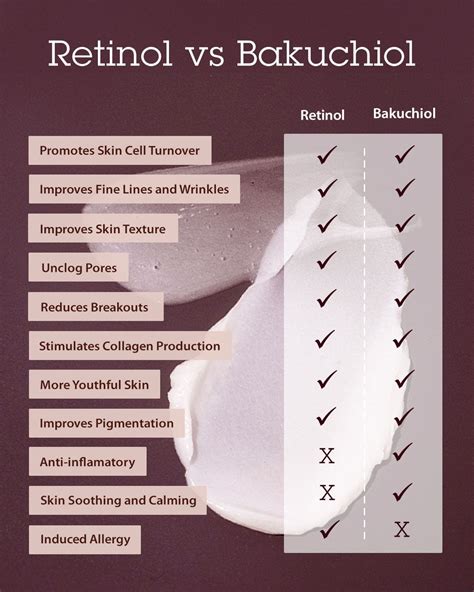
To understand bakuchiol's place in pregnancy skincare, it's helpful to compare it with retinol. Retinol, a form of vitamin A, is known to improve skin elasticity and thickness, leading to better overall skin texture and appearance over time. However, retinol can also cause side effects for individuals with sensitive skin, including dryness, irritation, itching, or burning.
Bakuchiol functions similarly to retinol by helping to:
- Reduce the appearance of wrinkles and fine lines.
- Improve skin laxity.
- Diminish sun damage and dark spots.
- Enhance skin's natural glow.
- Prevent clogged pores.
- Provide antioxidant properties.
In essence, bakuchiol may offer many of the benefits associated with retinol without the common irritating side effects. While bakuchiol shows promise as an effective alternative to over-the-counter retinol, further research is needed to ascertain its efficacy compared to prescription retinoids used for more severe skin conditions.
Key Benefits of Bakuchiol
Beyond mimicking retinol's benefits, bakuchiol offers several other advantages:
- Gentler on Skin: Compared to ingredients like retinol, bakuchiol is considered gentler, making it potentially more suitable for individuals with skin sensitivities such as rosacea or eczema. A 2019 study indicated that bakuchiol was as effective as retinol in addressing signs of aging, with fewer adverse effects like itching, redness, and irritation.
- Does Not Increase Sun Sensitivity: Retinol can slow down melanin production, potentially increasing sensitivity to sun damage and sunburn, which is why its use is often recommended at night. Bakuchiol, conversely, does not appear to thin the outer layer of the skin, a factor contributing to retinol's effect on sun sensitivity. Nevertheless, consistent sunscreen use is advised regardless of the skincare ingredients used.
- Potential Pregnancy Safety: Concerns about retinol and retinoid products during pregnancy are notable. While the risk of topical retinoids causing birth defects is considered low, consultation with a healthcare provider is always recommended for pregnant individuals. As bakuchiol is a gentler alternative, it has been suggested to pose a lower risk during pregnancy. However, more comprehensive research is necessary to definitively substantiate this claim. It remains advisable to consult a healthcare provider before using bakuchiol if pregnant.
Navigating Safety Assessments and Misinformation
The safety assessment of skincare ingredients, particularly during pregnancy, often relies on a combination of factors: decades of real-world use, animal studies, and understanding of known pharmacological mechanisms. This approach is crucial because high-quality, conclusive studies are not available for most skincare items, making definitive safety claims difficult.
A significant challenge arises from the fear of legal risk, which can compel companies to label products as "pregnancy safe" without robust scientific backing, or conversely, to avoid addressing the topic altogether. This can lead to the perpetuation of misinformation, fostering guilt and undermining the confidence of mothers in their choices.
Studies on ingredients like retinoids, for instance, often involve oral doses thousands of times higher than what topical application delivers. Bakuchiol, which is not a retinoid, can be unfairly associated with these concerns due to its perceived similarity in function.
Evidence-Based Information vs. Fear-Driven Marketing
The focus in pregnancy skincare should shift towards providing accurate, evidence-based information rather than relying on fear-driven marketing. It is time to move away from blanket restrictions and alarmist messaging. Only a small subset of ingredients truly warrants caution, and these should be clearly identified without causing undue panic.
Understanding Potential Side Effects and Usage
Bakuchiol is generally considered safe for most individuals and tends to have fewer known risks or side effects compared to retinol. However, individual experiences can vary based on personal skin sensitivity and existing skincare routines.
Before incorporating bakuchiol into a routine, consider the following:
- Skin Sensitivity: While well-tolerated, some individuals might still experience skin irritation or allergic reactions. Consulting a healthcare provider is advisable if unsure about potential interactions with your skin.
- Interactions: If using other active skincare products or managing specific skin conditions, consulting a dermatologist or healthcare provider is recommended.
- Purity and Quality: For those with sensitive skin or specific concerns, a dermatologist's advice is valuable before introducing new ingredients.
How to Incorporate Bakuchiol into Your Skincare Routine
Bakuchiol can be easily integrated into a daily skincare regimen. The general guidelines for use are:
- Apply bakuchiol once or twice a day.
- If applying twice daily, use it in both the morning and evening.
- If using a bakuchiol serum, apply it before your moisturizer.
- If using a bakuchiol-based cream, apply it after any serums.
Bakuchiol can be used concurrently with vitamin C, and their combined benefits may be complementary. Vitamin C is a potent antioxidant that aids in brightening the skin tone, evening out complexion, and offering protection against environmental damage.
Bakuchiol Is The NEW Retinol (No More Redness!)
Conclusion on Bakuchiol and Pregnancy
For individuals with sensitive skin, bakuchiol presents a promising alternative to retinol, potentially addressing signs of aging such as fine lines and wrinkles, while also improving skin tone and texture. Regarding pregnancy, while bakuchiol is considered a gentler option, it is crucial to emphasize that more extensive research is needed to fully confirm its safety profile during pregnancy. As always, consulting with a healthcare provider before using any new skincare product during pregnancy is the most prudent approach.