Earlobe stretching, a practice documented throughout history and seen in ancient artifacts, has been a form of human adornment for millennia. Beyond intentional stretching with plugs or gauges, even the regular wear of heavy earrings can lead to the gradual stretching of ear piercings over time. Furthermore, trauma to the ear can result in tears or stretched skin that necessitates repair.
Understanding Earlobe Damage
Earlobe damage can manifest in several ways, including:
- Stretched Piercings: Caused by the prolonged wear of heavy earrings or the intentional practice of earlobe gauging.
- Tears and Lacerations: Often resulting from earrings being accidentally pulled, caught, or during traumatic events.
- Elongated Holes: The piercing hole can lengthen over time due to the weight of earrings, particularly in individuals with thinner earlobes.
- General Stretching: Even without specific trauma, the natural elasticity of the skin can diminish, leading to a stretched appearance.
Damaged earlobes can cause self-consciousness and limit the types of jewelry that can be worn. Fortunately, surgical and non-surgical procedures are available to correct these aesthetic concerns.
Preparing for Earlobe Repair
Before undergoing an earlobe repair procedure, it is often recommended to remove any plugs or jewelry. This allows the natural elasticity of the skin to begin its work in potentially shrinking the tissue towards its original state.
Earlobe Repair Procedures
The approach to earlobe repair depends on the extent and type of damage. Procedures can range from simple surgical closures to more complex tissue reconstructions, and in some cases, non-surgical interventions like dermal fillers.
Surgical Earlobe Repair
Surgical earlobe repair is a common and effective solution for various types of damage. The procedure is typically performed under local anesthesia, making it virtually painless.
The Procedure
- Anesthesia: Local anesthesia is injected into the earlobe to ensure the area is numb and the procedure is comfortable.
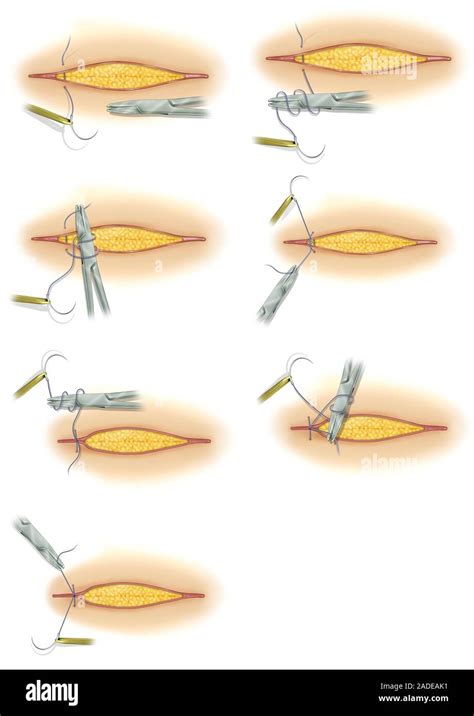
- Incision and Closure: In straightforward cases, incisions are made on either side of the piercing or tear. The edges of the skin are then fused together, and a few sutures are used to secure the closure and promote proper healing.
- Complex Cases: For significantly elongated or severely damaged lobes, a more complex repair procedure may be required, potentially involving tissue rotation or more intricate suturing techniques.
- Duration: Simple repairs usually take less than 30 minutes per earlobe, while more complex cases can take up to an hour on each side.
Post-Procedure Care
After the surgery, applying petroleum jelly to the wound is often recommended to keep it moist and protected, aiding in healthy healing. Patients may experience some swelling, which can be managed with cold compresses.
Stitches are typically removed within about one week. Most patients can resume normal activities shortly after the procedure, though strenuous activities that could stress the area should be avoided for about a week.
Non-Surgical Earlobe Repair with Dermal Fillers
For cases where the earlobe piercing hole is not excessively large, but the surrounding skin lacks plumpness and firmness, dermal fillers can be an effective solution. Injecting fillers like Restylane can immediately restore volume and improve the appearance of sagging earlobes without the need for surgery.
Re-piercing After Earlobe Repair
Once the earlobes have fully healed from surgical repair-usually after six months or more-they can often be re-pierced. It is crucial that the new piercing is not placed directly over the scar tissue, as scarring can weaken the skin. A new piercing should ideally be placed at least 3mm away from the old site.
Choosing the Right Provider
When considering earlobe repair, it is essential to seek out experienced professionals. Dermatologists and dermatologic surgeons, particularly those with specialized training in Mohs reconstruction and scar revision, are well-equipped to perform these procedures with precision and achieve aesthetic results.
Factors to consider when choosing a provider include:
- Board certification in dermatology or plastic surgery.
- Experience in earlobe repair and related cosmetic procedures.
- A thorough consultation process to discuss goals and determine the best treatment plan.
Some practices offer comprehensive evaluations, discussing your desired outcomes and assessing the condition of your earlobes to recommend the most suitable procedure, whether it be a simple surgical closure, a more complex reconstruction, or a non-surgical filler treatment.
Insurance and Costs
Earlobe repair is generally considered a cosmetic procedure and may not be covered by insurance. However, some patients may be able to use health savings accounts to cover costs. It is advisable to check with your insurance provider to determine coverage specifics.
tags: #dermatologist #earlobe #repair