Finding the right sunscreen for sensitive skin can be a challenge, as many formulas contain ingredients that can cause irritation. However, with innovative formulations and skin-loving benefits, modern sunscreens offer effective protection without compromising comfort. This guide focuses on the best chemical sunscreens that are gentle enough for sensitive skin, providing broad-spectrum UV protection while remaining lightweight and non-greasy.
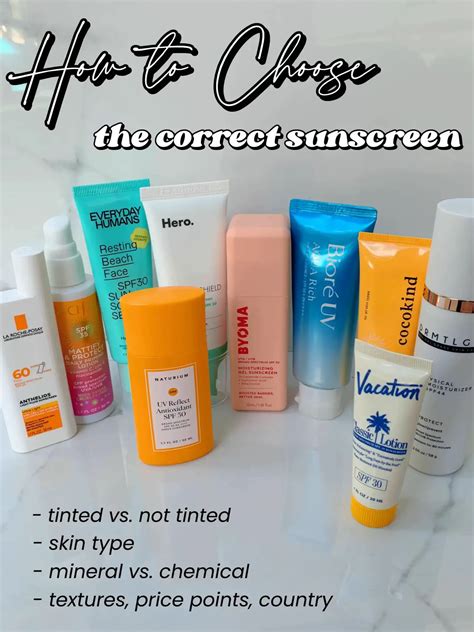
Understanding Chemical vs. Mineral Sunscreens
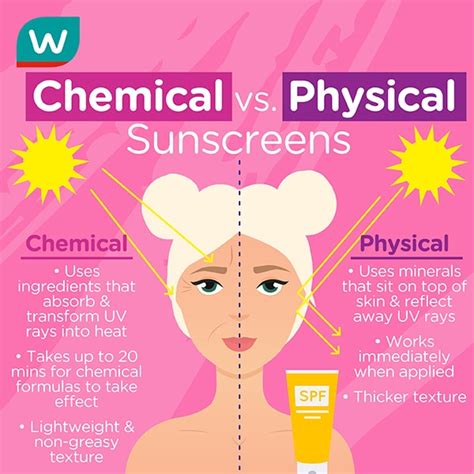
Sunscreens primarily use active ingredients that function in two ways: mineral and chemical. Mineral sunscreens, also known as physical sunscreens, use natural ingredients like zinc oxide and titanium dioxide. These sit on top of the skin, forming a physical barrier that reflects and scatters UV radiation. They are generally considered gentler and less likely to cause irritation, making them a popular choice for sensitive skin.
Chemical sunscreens, on the other hand, absorb into the skin. They contain chemical filters that absorb UV radiation, convert it into heat, and then release it from the skin. Common chemical filters include oxybenzone, avobenzone, octinoxate, and octisalate. These formulas often absorb seamlessly, leaving no white cast, and are favored for their lightweight, sheer finish, making them ideal for makeup wearers.
While mineral sunscreens are often recommended for sensitive skin due to their gentle nature, some individuals dislike the potential white cast they can leave. Chemical sunscreens, when formulated without common irritants, can offer a more cosmetically elegant solution for those with sensitive skin who still desire a sheer finish.
Key Considerations for Sensitive Skin
When choosing a sunscreen for sensitive skin, several factors are crucial:
- Gentle Ingredients: Opt for formulas free from known irritants such as fragrances, parabens, and phthalates. Even if a sunscreen is labeled "chemical," some formulations are specifically designed to be non-irritating.
- Fragrance-Free: Fragrances, whether from essential oils or perfumes, can be common triggers for allergic contact dermatitis, leading to redness and itching.
- Non-Comedogenic: For those prone to breakouts, a non-comedogenic formula ensures that the sunscreen will not clog pores.
- Hydration: Ingredients like hyaluronic acid, niacinamide, and vitamin E can help nourish and support the skin barrier, counteracting potential dryness or irritation.
- Broad-Spectrum Protection: Ensure the sunscreen offers protection against both UVA and UVB rays, indicated by "broad spectrum" on the label and a PA rating (e.g., PA++++ for highest UVA protection).
- Patch Testing: It's always advisable to perform a patch test on a small area of skin before applying a new sunscreen all over, especially if you have highly reactive skin.
Recommended Chemical Sunscreens for Sensitive Skin
While dermatologist recommendations for sensitive skin often lean towards mineral options, some chemical formulations have proven to be well-tolerated and effective. The key is finding products specifically designed with sensitive skin in mind, often featuring hydrating ingredients and being fragrance-free.
La Roche-Posay Anthelios Ultra-High SPF 50+
This La Roche-Posay formula is praised for its fragrance-free, hypoallergenic properties, making it suitable for sensitive skin. It offers ultra-high SPF 50+ protection and is tested on sensitive skin. Testers have reported no blemishes or irritation after daily use, highlighting its gentle yet effective nature.
Garnier Ambre Solaire SPF (Fluid)
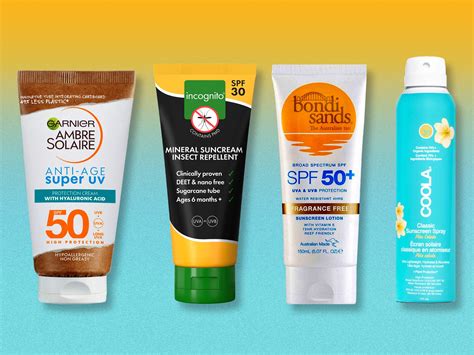
A popular high-street option, this Garnier fluid is lightweight and easy to rub in without leaving a greasy feel. It provides high, broad-spectrum protection and is enriched with hydrating hyaluronic acid and vitamin E. Its non-comedogenic properties make it a good choice for blemish-prone and sensitive skin types.
Ultrasun Sensitive Range (e.g., Ultrasun SPF 50+)
Ultrasun develops products with sensitive skin at the forefront. Their high-factor protection formulas often include ingredients like rainbow algae, which can help reduce pigmentation. These water-resistant formulas blend easily, feel lightweight, and are non-comedogenic, making them suitable for sensitive and blemish-prone skin.
BYOMA Ultralight Face Fluid SPF50
This BYOMA product offers a slightly thicker, yet still lightweight and easy-to-apply fluid texture. It's designed to protect and moisturize the complexion, combat white cast, and impart a healthy glow. Tested on sensitive, blemish-prone skin, it's noted for its hydrating properties.
CeraVe SPF Moisturiser
CeraVe is a widely recognized affordable skincare brand. Their SPF moisturiser offers broad-spectrum protection and includes the brand's signature blend of three ceramides to support skin barrier function. Hyaluronic acid, niacinamide, and vitamin E are also included to nourish the skin, contributing to a comfortable feel during application.
Expert Advice on Sunscreen Use
Dermatologists emphasize that the most crucial aspect of sunscreen is consistent daily use. The "best" sunscreen is ultimately the one you will use regularly. For sensitive skin, finding a formula that feels good and doesn't cause adverse reactions is paramount.
SPF (Sun Protection Factor): This measures protection against UVB rays, which cause sunburn. Higher SPF offers stronger protection. However, it's essential to also look for "broad spectrum" protection against UVA rays, which contribute to premature aging and skin damage.
Application: Most people do not apply enough sunscreen. A nickel-sized amount is recommended for the face, and a shot glass (about 1 ounce) for the entire body. Reapplication every two hours, or more frequently if swimming or sweating, is vital for maintaining protection.
Consultation: For personalized advice on sunscreen and skincare tailored to your specific needs, consulting a dermatologist is always the best course of action.