Experiencing hair thinning can be distressing, prompting a search for effective treatments. Given that shampoo is a widely used hair product, selecting the right formulation to address your specific hair loss condition is crucial. Many shampoos contain ingredients designed to stimulate hair growth, with some incorporating hair loss medication and others harnessing the power of natural remedies. However, it's important to be aware that some shampoos contain harmful substances that can exacerbate hair shedding or irritate the scalp, particularly for individuals with pre-existing skin conditions like eczema or seborrheic dermatitis.
To help navigate these choices, dermatologists and trichologists offer expert opinions on the best and worst shampoos for hair loss. While some hair shedding is normal, losing more than 50-100 hairs per day may indicate diffuse thinning, pattern baldness, or another type of alopecia. In such cases, choosing an effective shampoo for thinning hair is paramount.
Understanding Hair Loss and Shampoos
Alopecia is the medical term for baldness, and 'areata' signifies patches. Alopecia areata is a condition characterized by smooth, round bald patches that can develop on the scalp, beard, eyebrows, eyelashes, or armpits. In a small percentage of individuals, this can progress to total baldness (alopecia totalis) or hair loss across the entire body (alopecia universalis).
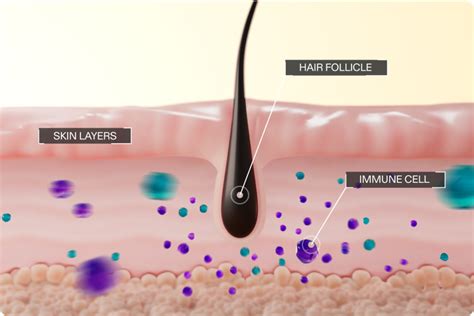
The exact cause of alopecia areata remains unknown, but evidence points towards an autoimmune origin, genetic predisposition, and external factors. It is believed that the immune system mistakenly attacks the hair follicles, hindering their ability to produce new hair. Studies indicate a genetic link, with 10-25% of individuals with alopecia areata having a relative with the same disorder. Alopecia areata exhibits varying prevalence across ethnicities, with higher reported incidences among African Americans and Hispanics compared to Caucasians.
People with alopecia areata are also more prone to other autoimmune diseases, such as autoimmune thyroid disorder and vitiligo. Additionally, they tend to have sensitive skin or atopic dermatitis. While there is no definitive cure for alopecia areata, treatments exist that may help regrow hair in both adults and children. These treatments aim to block the immune system's attack on hair follicles, facilitating regrowth. It's important to note that not all treatments are universally effective, and finding the right one may require time and patience. Some individuals with mild alopecia areata opt for no treatment at all.
A healthy scalp is fundamental for healthier and faster hair regrowth. For those experiencing hair thinning, shampoos can play a supportive role by strengthening existing strands and volumizing for a fuller appearance, rather than directly stimulating new growth. A good shampoo also effectively removes dirt, product buildup, excess oil, and dandruff, all of which can clog follicles and contribute to hair loss.
Dermatologist-Recommended Shampoos for Hair Loss
Dermatologists and trichologists recommend various ingredients and formulations to combat hair loss. When selecting a shampoo, consider the following:
Key Ingredients to Look For:
- Ketoconazole (KCZ): Highly effective in reducing dandruff and seborrheic dermatitis, ketoconazole also possesses anti-inflammatory properties that can mitigate hair follicle miniaturization, thereby protecting hair and promoting growth. Research indicates its effectiveness in reducing hair shedding associated with various forms of hair loss, including pattern baldness. Studies have shown it to be comparable to Minoxidil in improving hair density and follicle proportions.
- Piroctone Olamine: Often used to combat dandruff, this ingredient's antioxidant properties may also help reduce hair shedding and increase hair shaft thickness.
- Stemoxydine: A compound that mimics the effects of certain growth factors, promoting hair follicle rejuvenation.
- Caffeine: Known to stimulate hair growth, caffeine can be particularly effective when combined with ingredients like zinc and niacin (phyto-caffeine formulas). Research has shown significant improvements in hair pull tests for women using phyto-caffeine shampoo.
- Rosemary Oil: Studies suggest rosemary oil can be as effective as Minoxidil in increasing hair count for those with male pattern baldness. It may also help reduce dandruff and scalp greasiness.
- Black Seed Oil: Possesses antimicrobial, antioxidant, and hair growth-promoting qualities, helping to reduce inflammation and oxidative stress while regulating the hair cycle.
- Tea Tree Oil: An effective natural treatment for dandruff and head parasites. While its direct impact on hair loss in shampoo form is less clear, it can improve dandruff symptoms.
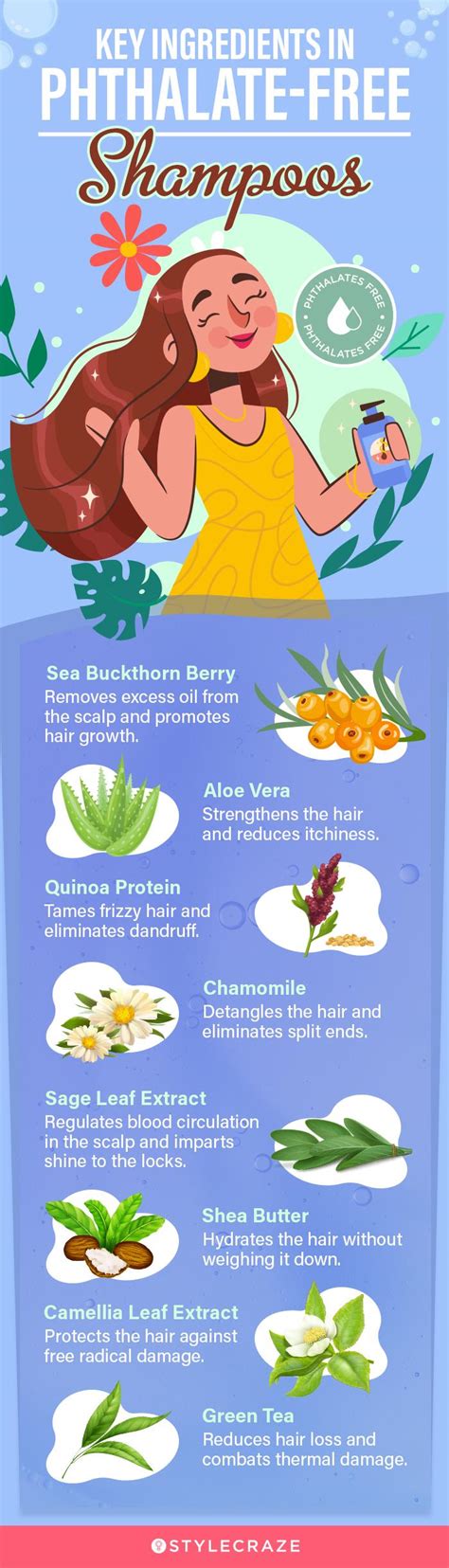
- Aloe Vera: Renowned for its soothing properties, aloe vera calms itchiness and irritation, removes greasiness, strengthens hair strands, and contributes to hair growth. It is considered moderately effective for hair loss.
- Adenosine: A naturally occurring molecule that research suggests can promote hair growth, increasing hair density and thickness with regular topical application. Combined with caffeine, it has shown efficacy in promoting hair growth in men.
- Anti-aging Ingredients: Shampoos with antioxidants, UV absorbers, and conditioning agents, including certain saccharomyces, can combat oxidative stress. Amino acids in these formulas help strengthen hair and facilitate growth. However, the effectiveness can depend on the concentration of these elements.
Minoxidil: How Does Minoxidil Work For Hair Regrowth Results? - Trichologist William Gaunitz
Considerations for Different Hair Types:
- Frizz-prone, curly hair: Opt for sulfate-free products with more moisturizing agents to minimize damage.
- Fine or oily hair: Clarifying shampoos can help remove oil that weighs hair down.
- Sensitive skin: Choose fragrance-free options.
- Dry scalp: Look for hydrating ingredients and avoid sulfates.
When considering ingredients, hyaluronic acid locks in moisture, glycerin draws moisture from the air, peptides strengthen fragile hair, and keratin improves hair strength to reduce breakage. Ketoconazole, as mentioned, is an antifungal agent effective against the fungus that causes dandruff and can address hormonal hair loss. Essential oils like coconut, macadamia nut, rosemary, and tea tree oil have anti-inflammatory benefits for the scalp and follicles. Niacin, saw palmetto, biotin, and vitamins E and B3 are beneficial for hair growth, shine, and hydration.
Shampoos to Potentially Avoid for Hair Loss
While shampoos are generally safe, certain ingredients can be detrimental to hair health and may exacerbate hair loss:
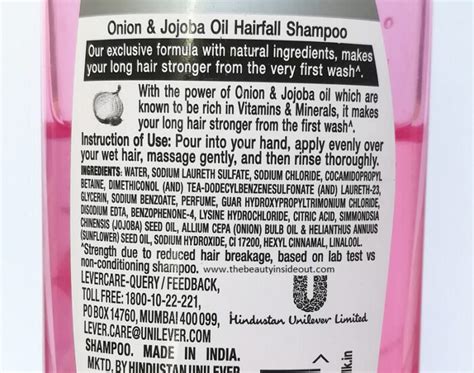
- Sulphates: These harsh detergents can strip the scalp of natural oils, leading to dry, brittle hair.
- Parabens: Though effective as antifungal agents, parabens have been linked to hormonal imbalances and potential damage to the scalp and hair follicles. Some parabens are banned in the EU due to these concerns.
- Formaldehyde: A toxic preservative linked to serious health issues, including cancer. It can reduce hair's resistance to breakage, decrease moisture retention, and damage hair cuticles, resulting in dry, brittle hair prone to breakage. It has also been associated with severe allergic contact dermatitis.
- DMDM Hydantoin: A preservative that can release small amounts of formaldehyde.
- Harmful Alcohols: While fatty alcohols can be beneficial, other types of alcohol can significantly dry out the hair.
- Selenium Sulphide: Although it relieves dandruff-related itchiness, repeated use has been linked to varying degrees of hair loss in some studies.
- Dimethicone: A silicone that can build up on hair fibres if not properly washed out, potentially weighing hair down.
- Phthalates: Used to preserve fragrance, phthalates are known to cause endocrine, reproductive, developmental, and neurological health problems. Their use in hair relaxers has also been linked to hair loss.
Advanced Treatments for Hair Loss
While shampoos can offer supportive care, more advanced treatments may be necessary depending on the cause and severity of hair loss. A consultation with a hair specialist or dermatologist is recommended before starting any new treatment.
Medical and Therapeutic Approaches:
- Minoxidil: Available topically or orally, this medication widens blood vessels, delivering nutrients to hair follicles. Recent studies suggest it can aid hair regrowth in alopecia areata.
- Finasteride: A prescription medication that inhibits dihydrotestosterone (DHT), a hormone responsible for hair loss in androgenetic alopecia. Primarily recommended for men and postmenopausal women.
- Dutasteride: Another DHT blocker, often recommended for male pattern baldness.
- Corticosteroids: These can be administered topically, orally, or via injection to reduce inflammation around hair follicles and stimulate growth, particularly for hair loss caused by autoimmune disorders like alopecia areata. Topical corticosteroids may be combined with minoxidil for moderate cases.
- JAK Inhibitors: These immunomodulatory drugs are considered a first-line treatment for severe alopecia areata, including totalis and universalis. They block specific proteins involved in immune system regulation and inflammation. Baricitinib (Olumiant) is an example of an FDA-approved systemic treatment for severe alopecia areata.
- Immunotherapy: Topical agents can induce an allergic rash, altering the immune response around hair follicles and potentially promoting regrowth. This treatment can be uncomfortable and requires ongoing use to maintain results.
- Dupilumab (Dupixent): A monoclonal antibody approved for treating atopic dermatitis, which can be relevant for individuals with alopecia areata who also have eczema.
- Derma Rolling: This therapy uses fine needles to create micro-injuries on the scalp, stimulating healing and hair growth.
- Red Light Therapy (LLLT): Low-level laser therapy uses red or infrared light to stimulate cell metabolism in the scalp.
- Hair Transplant: A permanent solution involving surgical procedures like follicular unit extraction (FUE) or follicular unit transplantation (FUT) to restore hair density.
Nutritional Support:
Serum levels of Vitamin D, Zinc, and folic acid have been observed to be lower in patients with alopecia areata. While evidence regarding other micronutrients is mixed, supplements formulated with biotin, vitamins C, E, B6, B12, pantothenic acid, iron, magnesium, zinc, selenium, manganese, and chromium may help replenish depleted nutrients and support hair regrowth. Some studies suggest a potential link between zinc deficiency and alopecia areata, although the evidence is not conclusive.
Daily Hair Care Routine Recommendations:
A recommended daily routine for managing hair loss often includes:
- Using minoxidil or a plant-based scalp treatment solution.
- Incorporating an active shampoo designed for hair loss.
- Considering oral supplements.
- Using a soft-bristled hairbrush and wide-toothed comb to prevent scalp damage.
- Avoiding harsh chemicals and excessive heat styling.
- Increasing protein and vegetable intake.
- Managing stress levels.
tags: #dermatologist #recommended #shampoo #for #alopecia #areata